
Last updated November 14, 2026
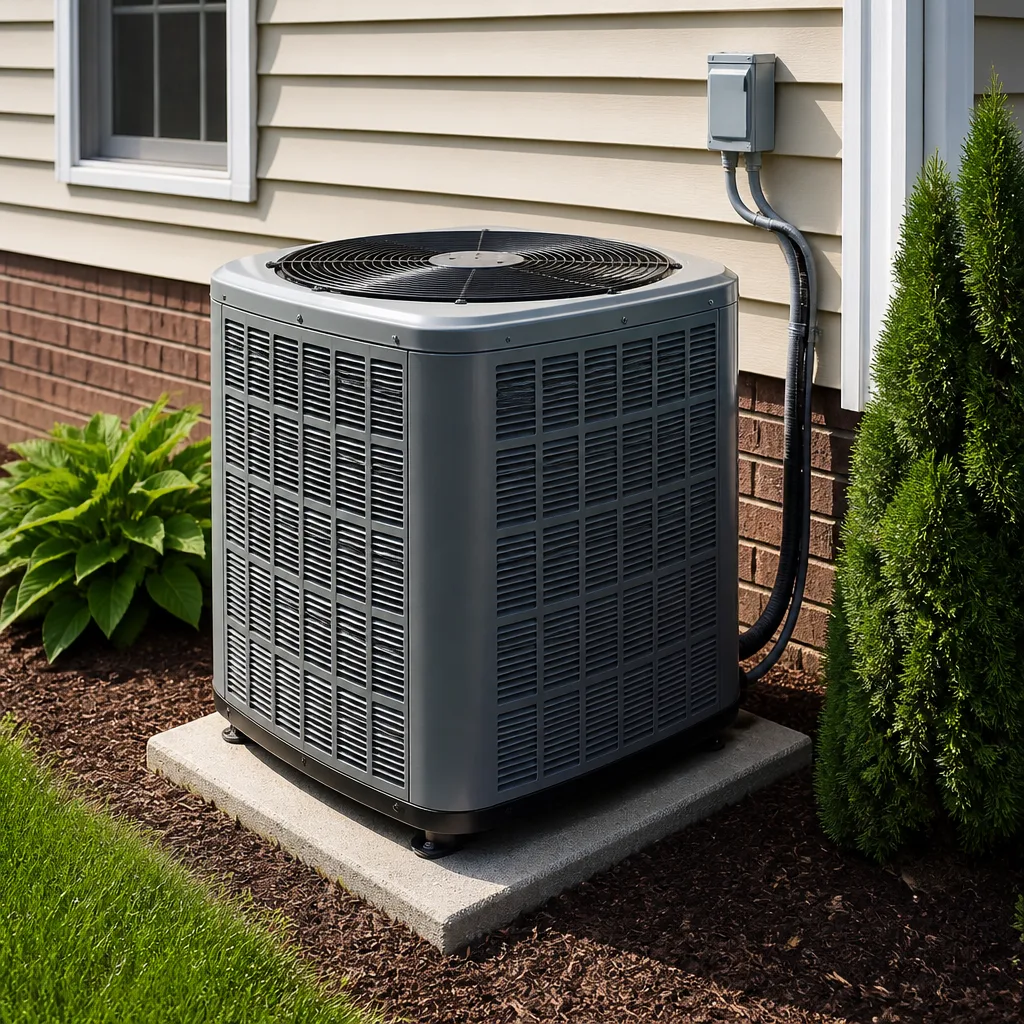 AC repair
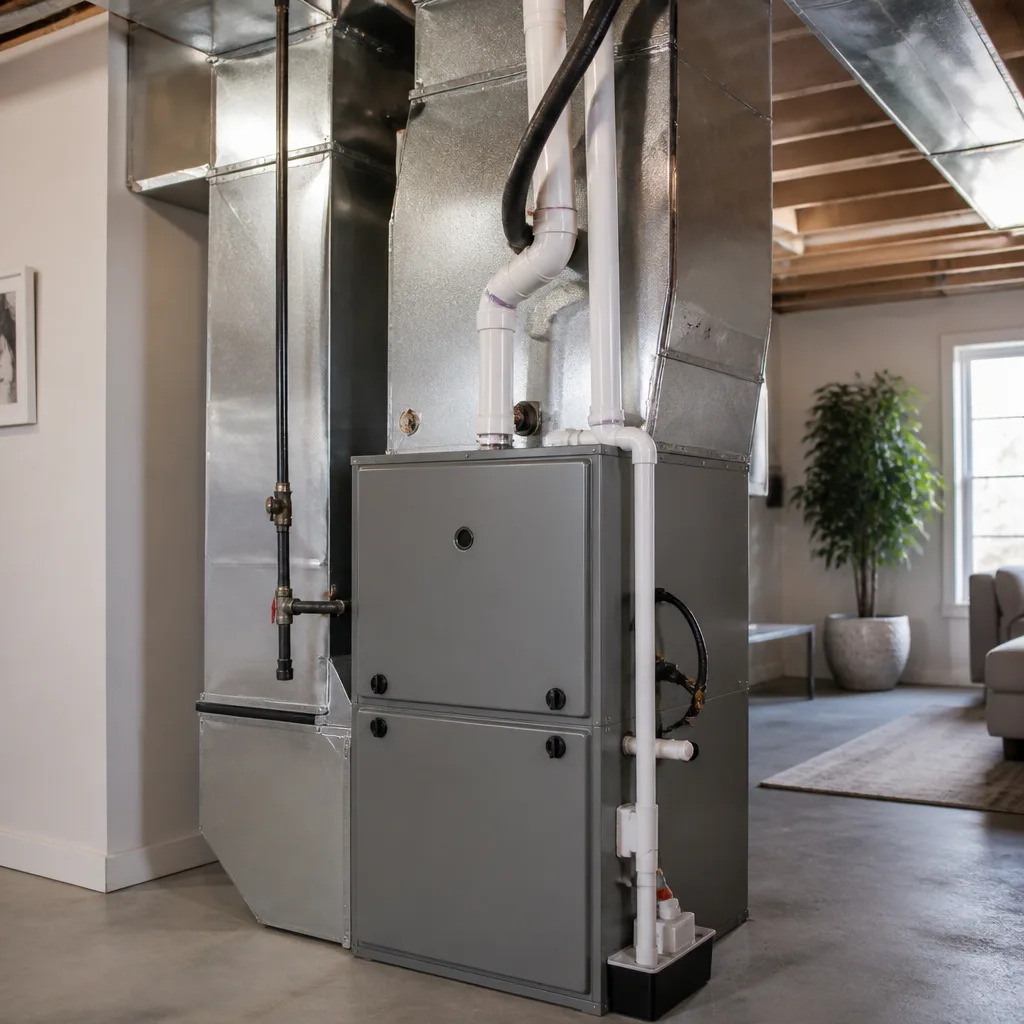 Furnace & heating
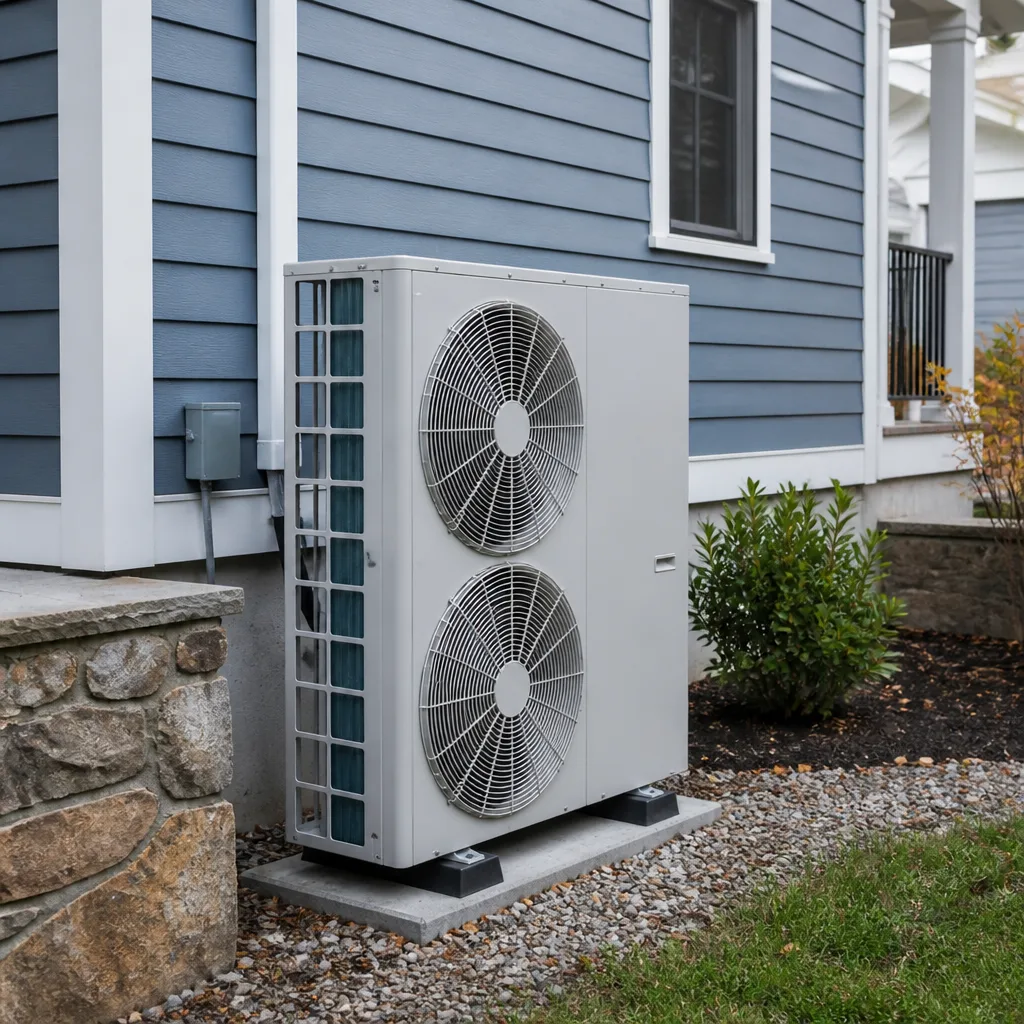 Heat pumps
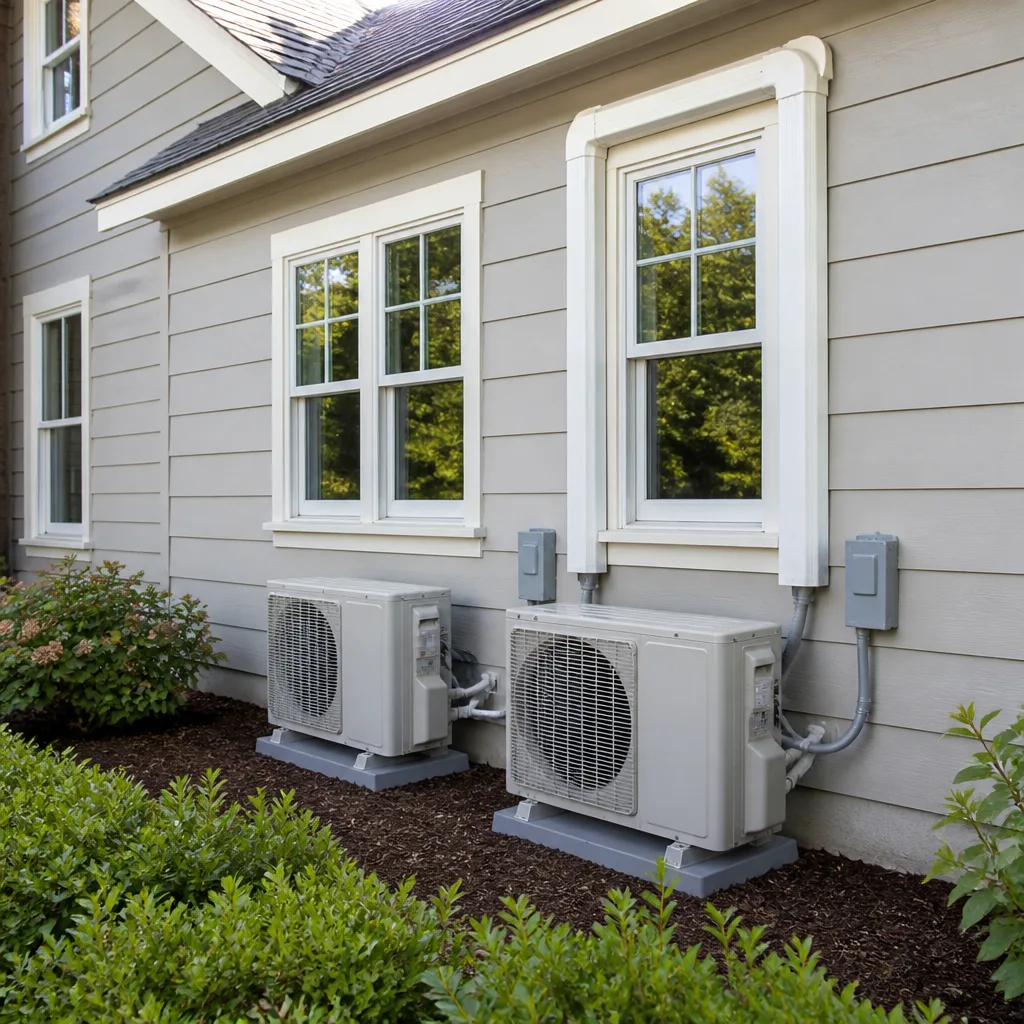 Ductless mini splits
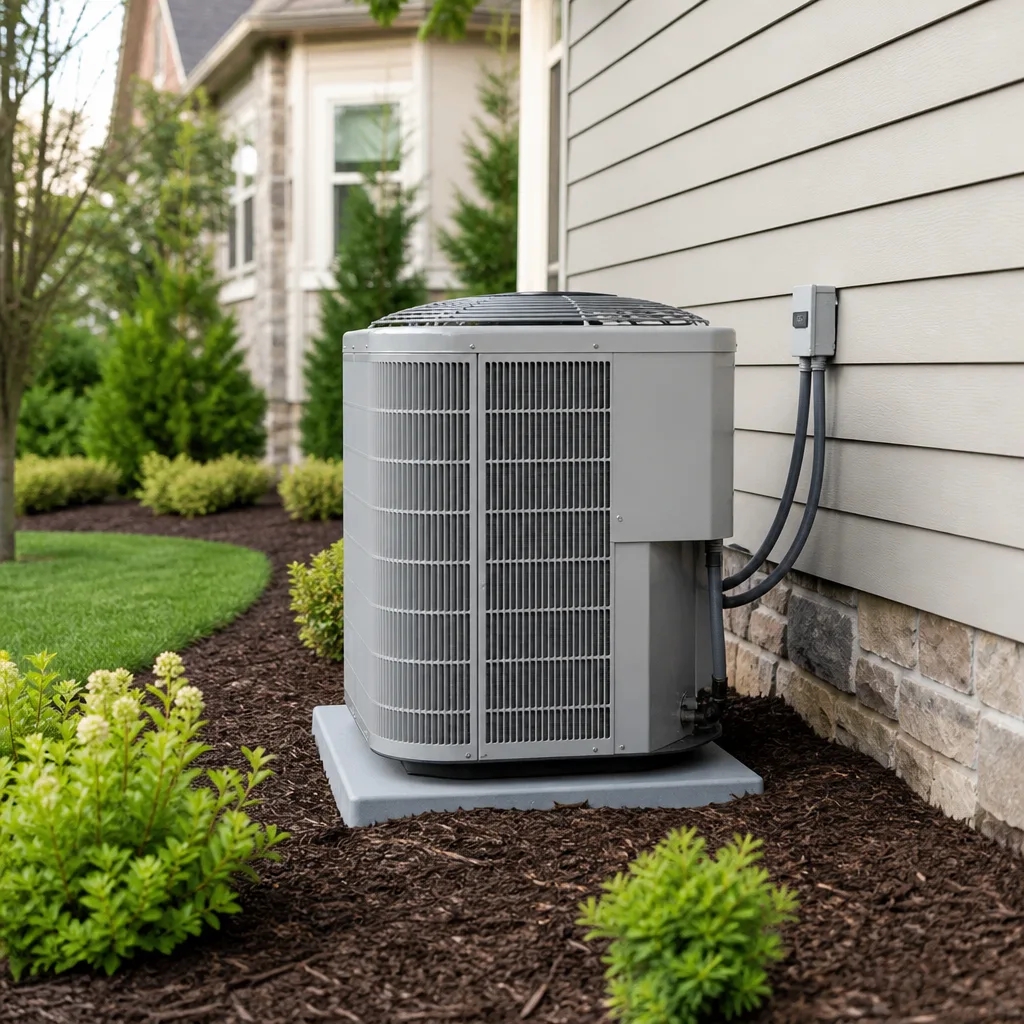 Carrier
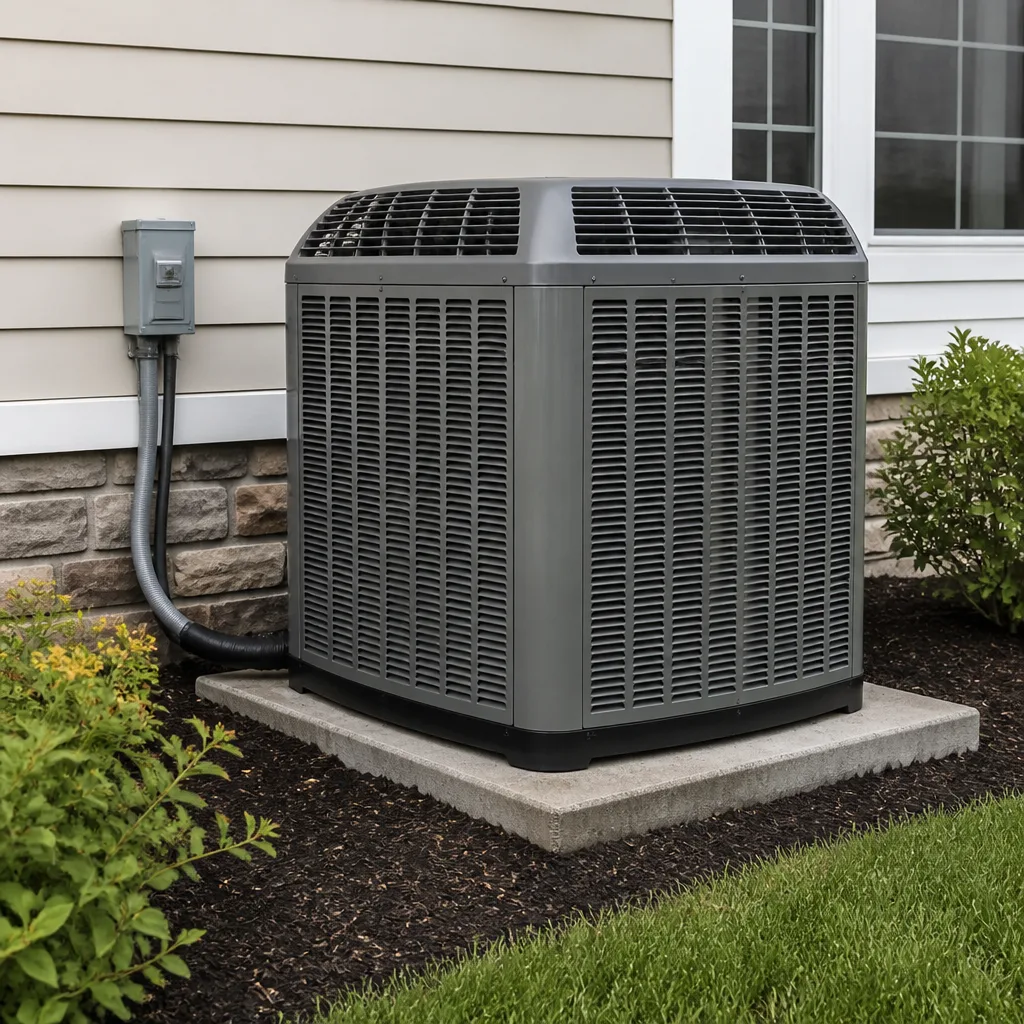 Trane
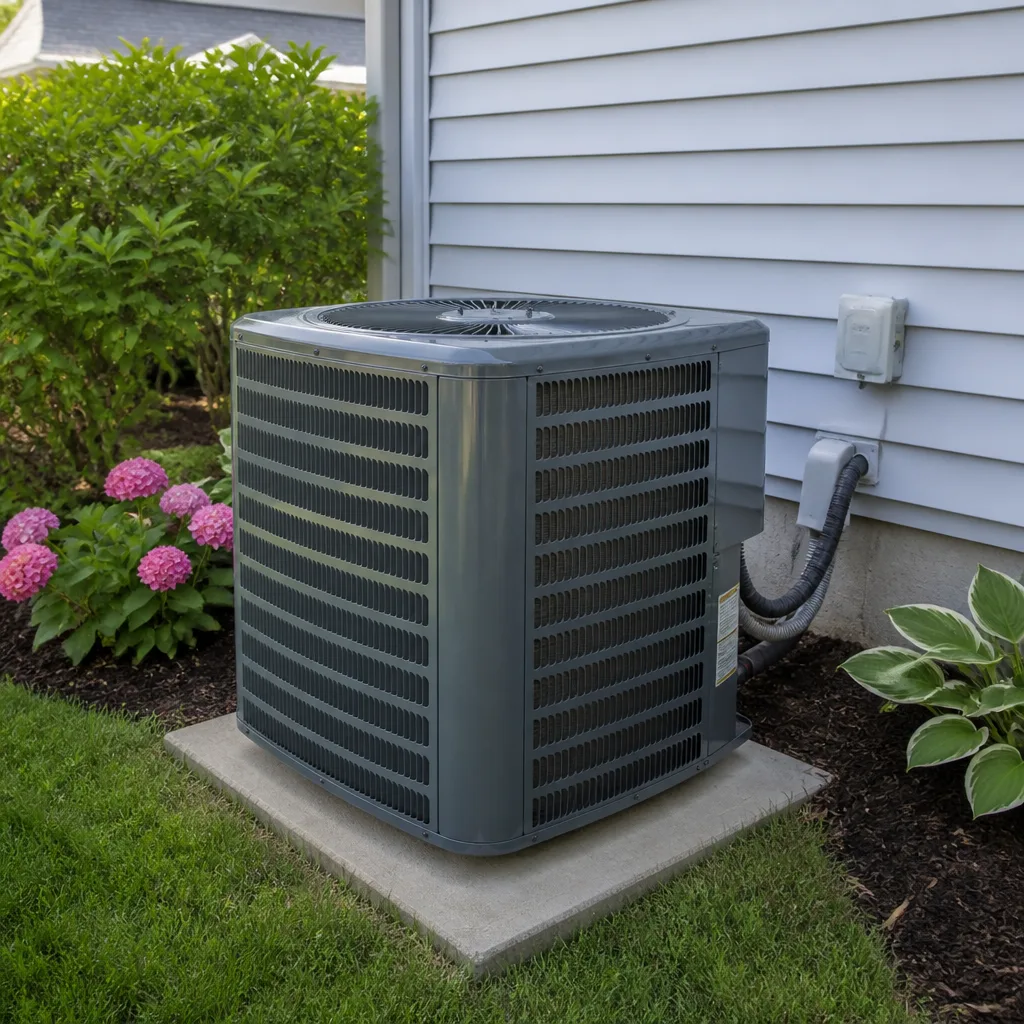 Goodman
Seasonal tune-up and full diagnostic on your Carrier, Trane, or Goodman system - readings shown to you before any repair is proposed
Diagnosis first, numbers second - you approve the repair price before a single part goes in.
Get your free estimateHow to Hire an HVAC Contractor in Lakeland: A Step-by-Step Guide
Most homeowners hire an HVAC contractor at the worst possible moment: the system has already quit, the house is climbing past 85 degrees, and the first quote in front of them looks good because it’s the only one they have. That’s the moment vague credentials cost the most. The verification steps below take less than ten minutes on a phone and save you from the two outcomes nobody wants, a callback that never comes or a compressor that fails two summers after a bad install. This guide covers how to check a Florida license, decode what contractors say about brands, spot the red flags that show up in Lakeland’s contractor market, and put a real service agreement in writing. We’ll walk through each step in order.
Quick Answer
To hire an HVAC contractor in Lakeland, verify the company’s Certified Air Conditioning (CAC) license through Florida’s DBPR database, ask for a written estimate that includes a Manual J load calculation on any replacement, confirm which equipment brands the technicians actually service, and get the warranty terms in writing before any work begins. A legitimate Lakeland HVAC contractor will hand over license information, a written scope, and warranty documents without hesitation or pressure.
Styles & brands we work with
- AC repair
- Furnace & heating
- Heat pumps
- Ductless mini splits
- Carrier
- Trane
- Goodman
Table of Contents
- Step 1: Verify the License Before Anything Else
- Step 2: Ask About Load Calculation (Manual J)
- Step 3: Ask the Multi-Brand Question
- Step 4: Read the Written Estimate Line by Line
- Red Flags in Lakeland’s Contractor Market
- Service Agreement vs. One-Time Repair
- Why Lakeland’s Climate Changes the Hiring Calculus
- Common Mistakes to Avoid
- When to Call a Professional
- Frequently Asked Questions
Step 1: Verify the License Before Anything Else
Every HVAC contractor working in Florida must hold a state license, and you can verify it through the Florida Department of Business and Professional Regulation (DBPR) in under a minute. This is the single highest-value check in the entire hiring process, and it’s the one most homeowners skip.
Here’s how to do it:
- Go to the DBPR license lookup page on the state website.
- Select “Search by Licensee Name” or “Search by License Number.”
- Enter the company name or the license number on their estimate or business card.
- Check that the status reads “Current, Active” and that the license type matches HVAC work.
- Confirm the qualifying agent listed on the license is associated with the company quoting you.
The two license types you’re looking for are CAC (Certified Air Conditioning Contractor) and Class A or Class B Air Conditioning Contractor. A CAC license is issued by the state and authorizes the holder to install, repair, and maintain HVAC equipment anywhere in Florida. Class A and Class B licenses are issued at the county level with different scope limits depending on the county. A “Class B” license, for example, may not permit work on certain equipment sizes, so if the contractor holds one and your job is a full system replacement, ask specifically whether their license covers the work.
What you’re checking for, in plain terms:
- That the license is current and not suspended, revoked, or expired.
- That the license type covers the work being quoted (repairs and installs are both HVAC scope, but license levels vary).
- That the license is registered to the company, not someone else’s business.
- That your city’s building department recognizes the license for permits if your job requires one.
A legitimate contractor will give you the license number without hesitation. If they can’t, or if the DBPR record shows an inactive status, stop the conversation there. Any quote you get from an unlicensed HVAC contractor in Lakeland is a quote you have no legal recourse to enforce.
Step 2: Ask About Load Calculation (Manual J)
If a contractor quotes a replacement system without running a load calculation, they’re guessing at the size. And a system sized wrong is a system that will fail early, run up your electric bill, or leave rooms uncomfortable no matter how much you spend on equipment.
Manual J is the industry-standard method for calculating how much heating and cooling capacity a specific home actually needs. It accounts for square footage, ceiling height, window count and orientation, insulation levels, and the local climate data for your area. A Manual J calculation on a Lakeland home takes into account Polk County’s cooling degree days, the reality that summer humidity stays high for most of the year, and the typical construction era of homes across neighborhoods like Dixieland, Lake Morton, and the older sections of South Lakeland, which have very different insulation profiles than newer builds near Polk Parkway.
Here’s what a legitimately sized quote looks like versus a guess:
- Right way: The contractor measures the home, counts windows, asks about attic insulation, and runs a Manual J report or a printed sizing worksheet you can see.
- Shortcut way: The contractor looks at the old equipment’s nameplate and quotes the same tonnage. That assumes the last installer got it right, which isn’t always true.
- Straight-up guess: The quote is based on “rule of thumb” square footage alone (typically 1 ton per 500-600 square feet) with no measurement.
We’ve seen homes in Lakeland where the prior system was oversized by half a ton, which means it cooled the house on paper but short-cycled in practice and left the humidity high. An oversized unit doesn’t dehumidify properly because it hits the thermostat setpoint too fast. Ask any contractor you interview: “Will you run a Manual J on my home before quoting a replacement?” If the answer is “we don’t need to, we can size it by looking,” keep looking.
Step 3: Ask the Multi-Brand Question
Here’s a question most homeowners don’t think to ask, and it matters more than it sounds: which equipment brands do your technicians actually service?
Some contractors are locked into a single manufacturer through a dealer agreement, brand-specific training program, or purchasing arrangement. That arrangement isn’t a bad thing in itself; dealers get factory support, dedicated parts channels, and technical training specific to that brand. But when you own a York, Daikin, Bryant, or American Standard system and the contractor you call is steeped in another brand’s architecture, diagnosis can drift toward the equipment they know best. We’ve seen technicians misidentify a failing TXV on equipment they don’t normally service because the metering design differs from what they trained on. That misdiagnosis shows up as a “replace the whole system” recommendation when a repair would have done the job.
The multi-brand question cuts both ways. Ask:
- Which brands have your technicians been trained on?
- What equipment did my system’s last service report cover?
- If my system is a brand you don’t work on routinely, do you have access to the right parts and diagnostic procedures?
At Ambassador AC Repair, we work on Carrier, Trane, Lennox, Goodman, Rheem, York, Daikin, Bryant, and American Standard systems, so the diagnosis follows what’s installed in the home, not what we’d prefer to sell. That’s the brand-agnostic approach you want from any contractor you hire, whether you call us or not. If the company you’re vetting can’t work on your system’s brand, they should tell you that upfront and refer you to someone who can.
Step 4: Read the Written Estimate Line by Line
A written estimate is the only thing that protects you when a verbal promise evaporates. In our experience, the difference between a well-structured HVAC estimate and a bad one isn’t the total dollar amount; it’s what’s missing from the paperwork.
Every estimate you collect for a repair or replacement in Lakeland should include these elements:
- Company name and license number printed on the estimate itself, not scrawled on a business card.
- Equipment make and model on any replacement quote, not just a brand name.
- Line-item pricing for parts, labor, permits, and disposal.
- Scope of work in plain language: what will be done, what won’t be done.
- Warranty terms spelled out, including parts, labor, and any exclusions.
- Payment schedule showing deposits, progress payments, and final payment timing.
- A statement of the estimate’s validity window so you know how long the price holds.
Ask each contractor for the estimate in writing before you sign anything. Compare the line items side by side and note where the scope differs, because a quote that’s $600 cheaper might be $600 cheaper because it omits the permit or uses a lower-efficiency coil. That comparison is where your savings live.
Red Flags in Lakeland’s Contractor Market
Lakeland sits in Polk County, which means storm season runs through the late summer and fall, and the contractor market reacts to it. Here are the specific patterns to watch for in this area.
- Unusually low bids right after a storm. When demand spikes after weather events, some contractors lowball to win jobs fast, then bill for “extras” once the work begins. A fair price is a fair price; a price that’s dramatically under the competition usually means the scope is thin.
- Door-to-door solicitation. Walk-up pitches are a common tactic with storm-related contractor complaints in Florida. A legitimate Lakeland HVAC company doesn’t need to knock on your door to find work.
- Verbal-only warranties. If the warranty is described out loud but not printed on the estimate, treat it as nonexistent. Ask for the manufacturer’s written warranty documentation and the company’s own written labor warranty terms.
- No license number on the estimate or van. Covered above, but worth repeating: no license number means no verifiable accountability.
- Pressure to sign on the spot. “Today only” pricing on an HVAC replacement isn’t a discount; it’s a sales tactic to prevent you from comparing quotes.
- Cash-only payment requests. Especially on replacement work that should be invoiced, tracked, and tied to a permit.
- Refusal to pull a permit. Any HVAC replacement typically requires a permit through Polk County or the city of Lakeland’s building department. A contractor who says they’ll skip the permit to save you money is a contractor who’s leaving you with an unpermitted installation.
None of these red flags alone is a dealbreaker, but two or more is a clear signal to walk away. The pattern matters more than any single data point.
Service Agreement vs. One-Time Repair
There are two main ways to buy HVAC work: a one-time repair quote or a service agreement covering your system over the year. Understanding the difference helps you avoid paying for coverage you don’t use, or skipping maintenance you actually need.
A one-time repair is a quote for a specific fix, priced as parts plus labor for that job. It’s the right fit when the system is failing, when you’ve just bought the home, or when you’re not planning to stay long enough to amortize a service agreement.
A service agreement is an ongoing arrangement for preventive maintenance, often including filter changes, coil cleaning, and seasonal checkups. It’s priced either annually or as a bundled number. The value depends on what’s included, which is why getting it in writing matters. Here’s what should be in a service agreement before you sign:
- The number and timing of visits included per year, and whether one is a cooling-season check and one a heating-season check.
- The specific tasks performed at each visit: refrigerant pressures, capacitor testing, coil cleaning, drain line clearing, filter replacement or homeowner-preserved filter service.
- Whether repair labor is discounted for members, and if so, by how much.
- Exclusions clearly stated (for example, whether refrigerant charges are billed separately).
- Exit terms: whether you can cancel mid-year and what happens to the balance if you sell the home.
Before any work begins, either a service agreement or a repair quote should be in writing on the company’s letterhead with the license number printed on it. Verbal-only agreements fall apart during disagreements, and they don’t hold up if you ever need to file a complaint with the DBPR.
Why Lakeland’s Climate Changes the Hiring Calculus
Lakeland’s climate means your AC isn’t a luxury; it’s the load-bearing element of a comfortable home for most of the year. That shapes hiring in ways it doesn’t in places with mild summers, and it’s worth understanding why.
The system in a typical Lakeland home runs a higher percentage of the year than almost anywhere else in the country. Long run hours mean more wear on compressors, contactors, and capacitors, and more strain on the refrigerant circuit. This year-round runtime also means a neglected system ages faster. A homeowner who skips annual maintenance in a milder climate can get away with it longer. In Lakeland, skipping maintenance usually shows up as a mid-summer failure.
Humidity adds another layer. Central Florida’s humidity means the system has to remove moisture, not just drop the temperature, and that puts a premium on correct sizing and good airflow. A system that was sized wrong or has a restricted filter will run long, work hard, and still leave the home feeling clammy. When you’re interviewing contractors, ask specifically how they handle humidity and airflow during the diagnosis. The right answer involves measuring static pressure and checking the coil and blower, not just adding refrigerant.
Our technicians have up to 9 years of experience working on Lakeland systems, and the pattern we see most often is a homeowner who replaced a system in a hurry after a summer breakdown without a load calculation, ending up with equipment that runs constantly and never feels right. It’s the single most common expensive mistake in this market. Slowing down during the hiring process avoids it.
Common Mistakes to Avoid
We’ve seen the same hiring mistakes repeat across calls in Lakeland, and each one has a fixable path if you catch it early.
- Hiring without checking the DBPR record. A contractor can look professional, arrive in a clean van, and still be unlicensed or have a suspended certification. Two minutes on the state database is worth more than any impression on the doorstep.
- Accepting a quote sized “by eye.” If the contractor doesn’t measure the home or run a Manual J on a replacement, they’re guessing at tonnage. The wrong tonnage is a problem you live with for a decade.
- Comparing only the bottom-line number. Two quotes that differ by hundreds of dollars often differ by hundreds of dollars of omitted work: missing permits, cheaper coils, no labor warranty. Compare line by line, not total to total.
- Believing “brand-agnostic” without asking which brands. Ask for the specific list. A contractor who services nine brands is genuinely prepared. A contractor who claims “all makes and models” without a specific list is often relying on a generalist’s toolkit.
- Signing after a door-knock pitch. Storm-season door-knocking is a real pattern in Florida’s contractor market. If someone knocks during a hot week offering a “deal” on a replacement, get three quotes first.
- Skipping the written warranty. A verbal promise of five years on labor is worthless if the company folds or denies the claim. Get it printed, signed, and attached to the estimate.
- Assuming any HVAC contractor will pull a permit. In Lakeland and Polk County, replacement work generally requires a permit. A contractor who offers to skip it isn’t doing you a favor.
When to Call a Professional
Some HVAC issues are minor and can wait for a scheduled visit. Others need a trained technician on the phone today. Call a professional if your system has stopped cooling entirely, if you smell gas near a furnace or heat pump, if the breakers trip when the system starts, if you see ice on the refrigerant lines indoors, or if you’re hearing metallic grinding from the outdoor unit. Any of those can range from a burned-out capacitor to a failing compressor, and none is a job to sort out with a YouTube tutorial. Electrical work inside an air handler and anything involving refrigerant lines are also squarely in the “call a professional” category; both carry real risk if handled without the right tools and training.
Ambassador AC Repair offers free estimates in Lakeland – call (855) 528-6110. We answer 24/7. Fast dispatch from 7am to 7pm, Sunday through Friday.
For existing systems that are underperforming, AC repair diagnostics can usually pinpoint whether a repair is the right path or whether replacement is the more economical route. On the replacement side, AC installation starts with a load calculation and a written fixed price, not a guess at what the old unit’s nameplate says.
Frequently Asked Questions
Search the Florida DBPR license lookup online by company name or license number and confirm the status is “Current, Active.” The license type should read CAC (Certified Air Conditioning Contractor) or Class A/Class B Air Conditioning Contractor, and it should be registered to the company quoting your job. If the contractor can’t provide a license number or the DBPR record shows anything but active status, don’t proceed. Call (855) 528-6110 for a free estimate from a licensed Lakeland HVAC contractor.
Manual J is the industry-standard load calculation that determines the correct tonnage for your home based on square footage, windows, insulation, and local climate. Yes, you should insist on one for any full system replacement in Lakeland. A contractor who skips Manual J and sizes the new system to match the old equipment is guessing. Ask for the sizing worksheet in writing before signing the estimate, and call (855) 528-6110 if you want a quote that includes a load calculation.
Because a contractor locked into one manufacturer’s training may misdiagnose equipment from other brands. Different manufacturers use different metering devices, control boards, and refrigerant circuits, and a technician unfamiliar with your system’s design can reach the wrong conclusion. Ask specifically which brands the company services. We work on Carrier, Trane, Lennox, Goodman, Rheem, York, Daikin, Bryant, and American Standard. Call (855) 528-6110 for a free estimate.
A service agreement makes sense if you plan to stay in the home long-term and want preventive maintenance on a fixed schedule. A one-time repair is simpler if you’re handling an immediate problem or planning to sell. Either way, get the terms in writing before signing, including the number of visits, what’s performed, and any repair labor discounts. Call (855) 528-6110 for a free written estimate on a repair or a service agreement.
Usually not. Door-to-door HVAC sales tend to spike after storm events in Polk County, and the pitches often involve pressure to sign on the spot. A legitimate Lakeland HVAC contractor doesn’t need to knock on your door to find work. If someone pitches a replacement on your doorstep, get three written quotes from licensed companies before deciding. Call (855) 528-6110 for a free estimate from a licensed local contractor.
A written HVAC estimate should include the company’s name and license number, equipment make and model on replacements, line-item pricing for parts and labor, the scope of work, warranty terms for parts and labor, payment schedule, and the estimate’s validity window. If any of those are missing, ask for a revised estimate in writing before signing. Call (855) 528-6110 for a free estimate that includes all of those elements.
The Bottom Line
Hiring an HVAC contractor in Lakeland comes down to a handful of checks that take minutes: verify the DBPR license, insist on a Manual J load calculation on any replacement, ask which brands the company services, and get the estimate and warranty in writing before you sign. Skip any of those steps and you’re gambling on equipment that will run for a decade or more. Do them, and you’ll end up with a system that’s correctly sized, correctly installed, and backed by verifiable documentation. At Ambassador AC Repair, we work on nine of the major brands homeowners actually own, and we recommend based on what your system needs, not what’s easiest to sell. Straight answers on what your system actually needs – that’s the standard we hold ourselves to on every call.
Call (855) 528-6110 for a free estimate. We answer 24/7. Fast dispatch from 7am to 7pm, Sunday through Friday.
Written by the team at Ambassador AC Repair.
See the difference
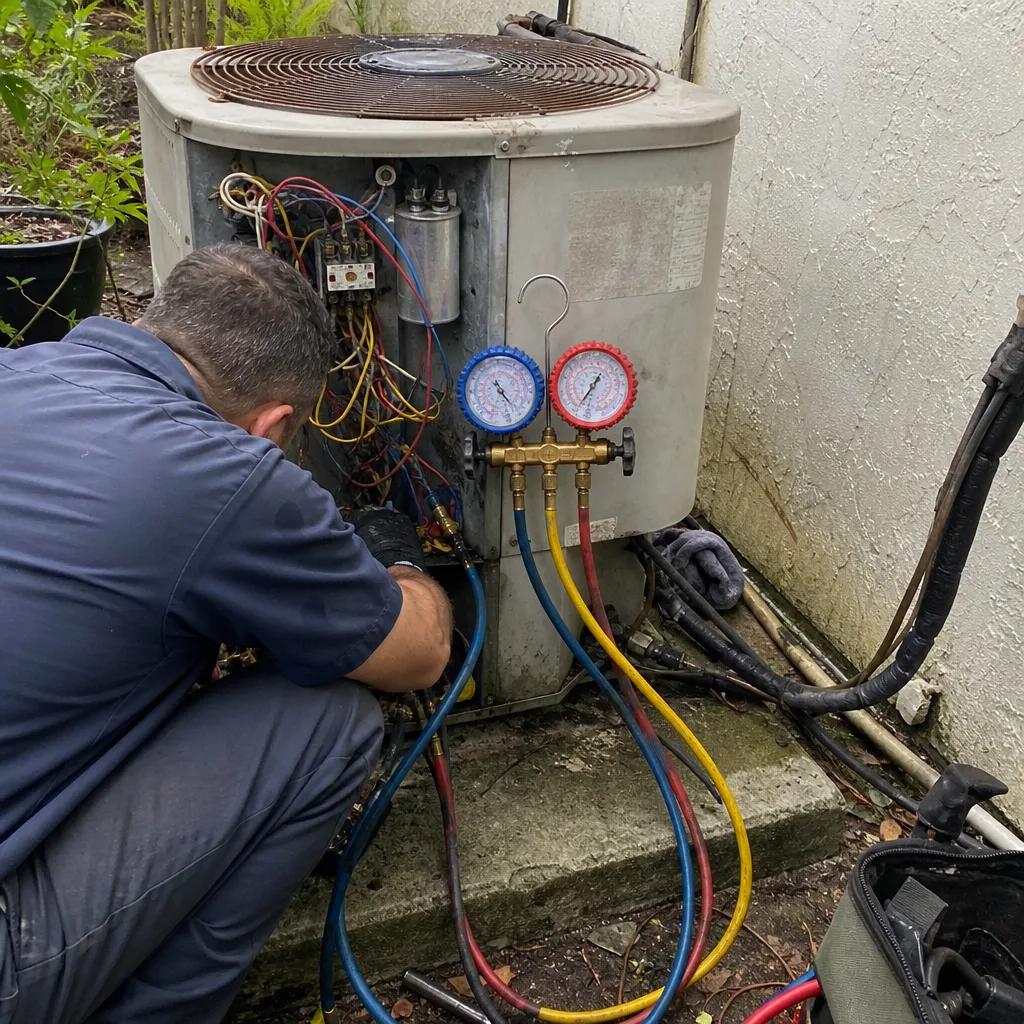 Before
 After
 Before
 After
 Before
 After