
Last updated November 14, 2026
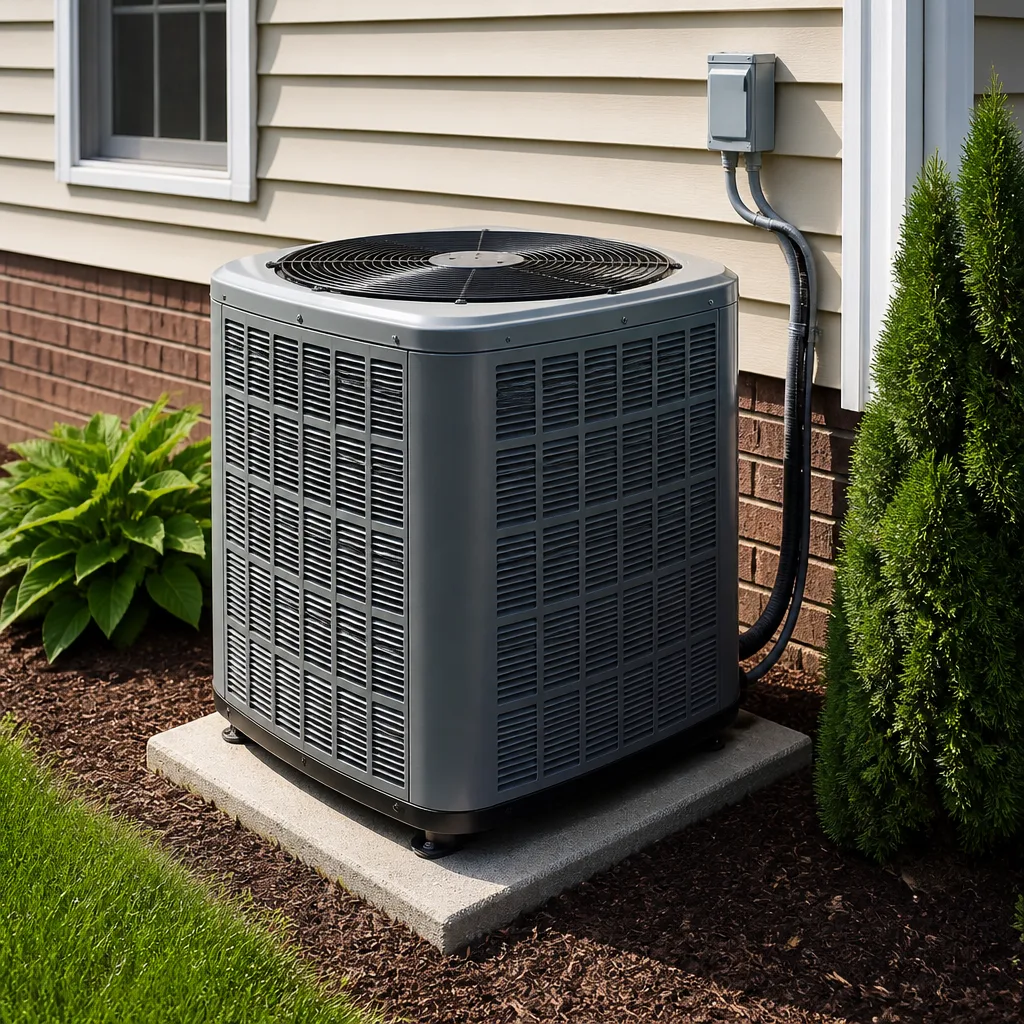 AC repair
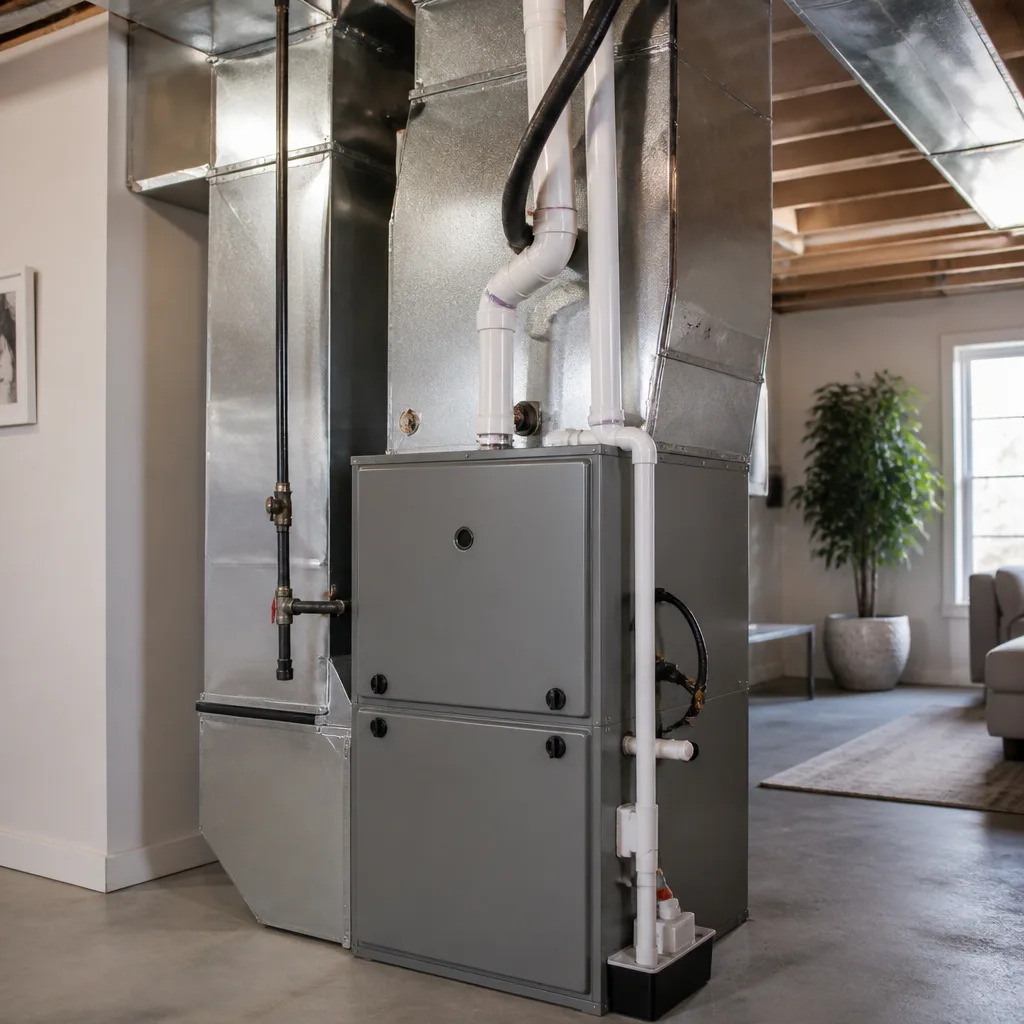 Furnace & heating
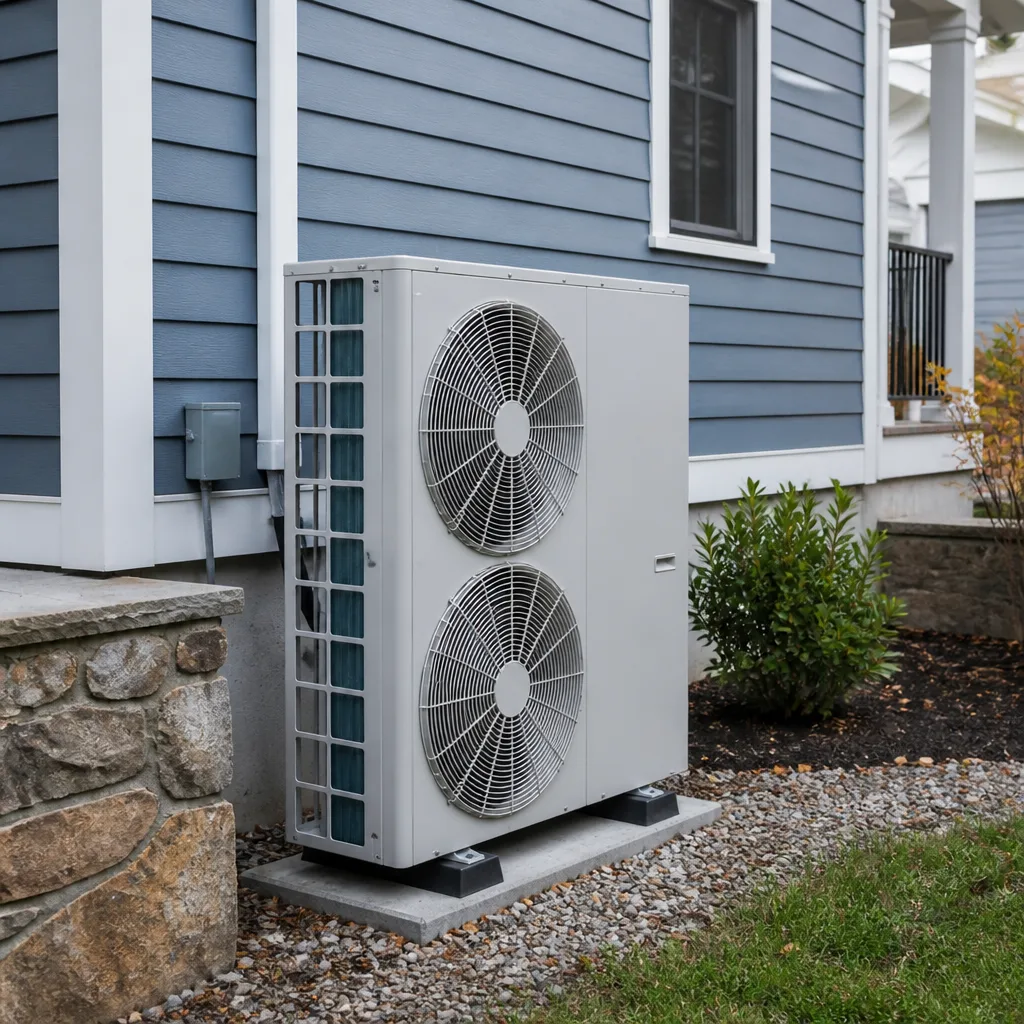 Heat pumps
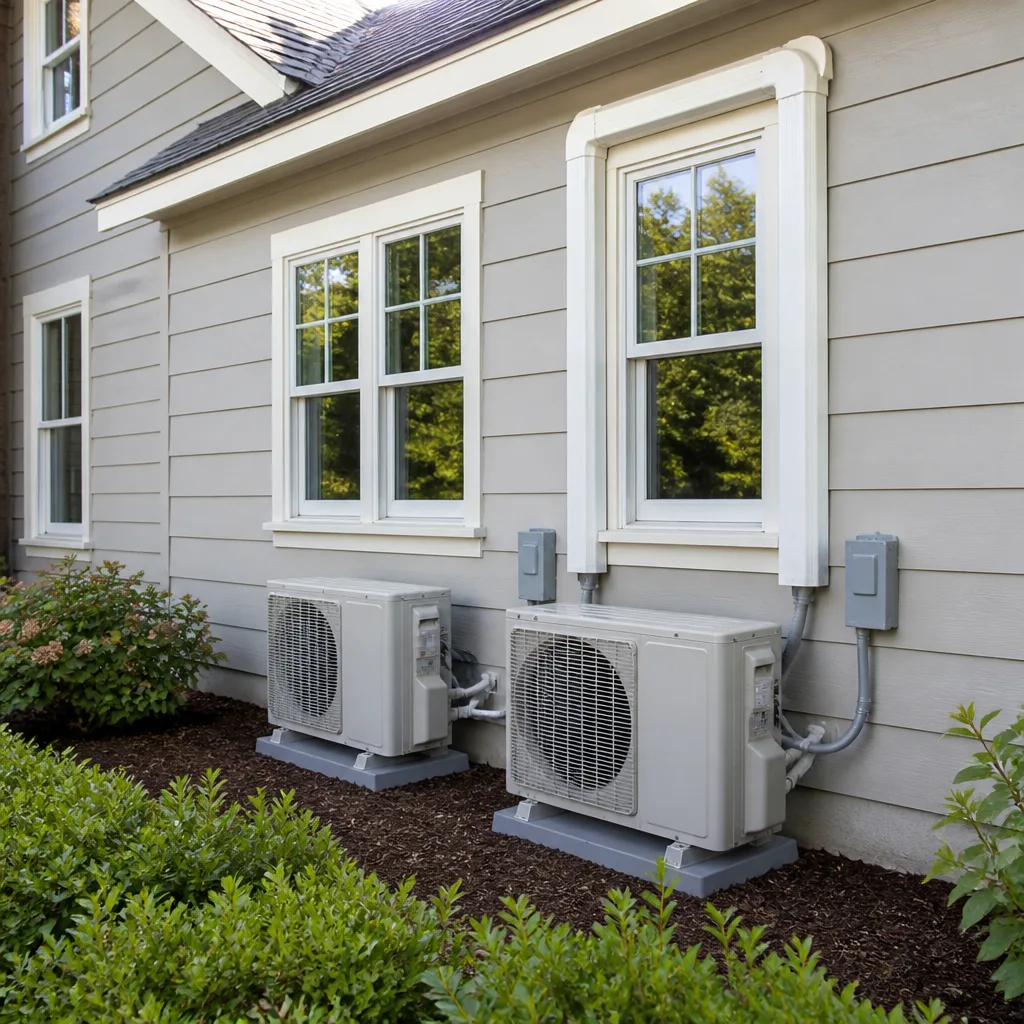 Ductless mini splits
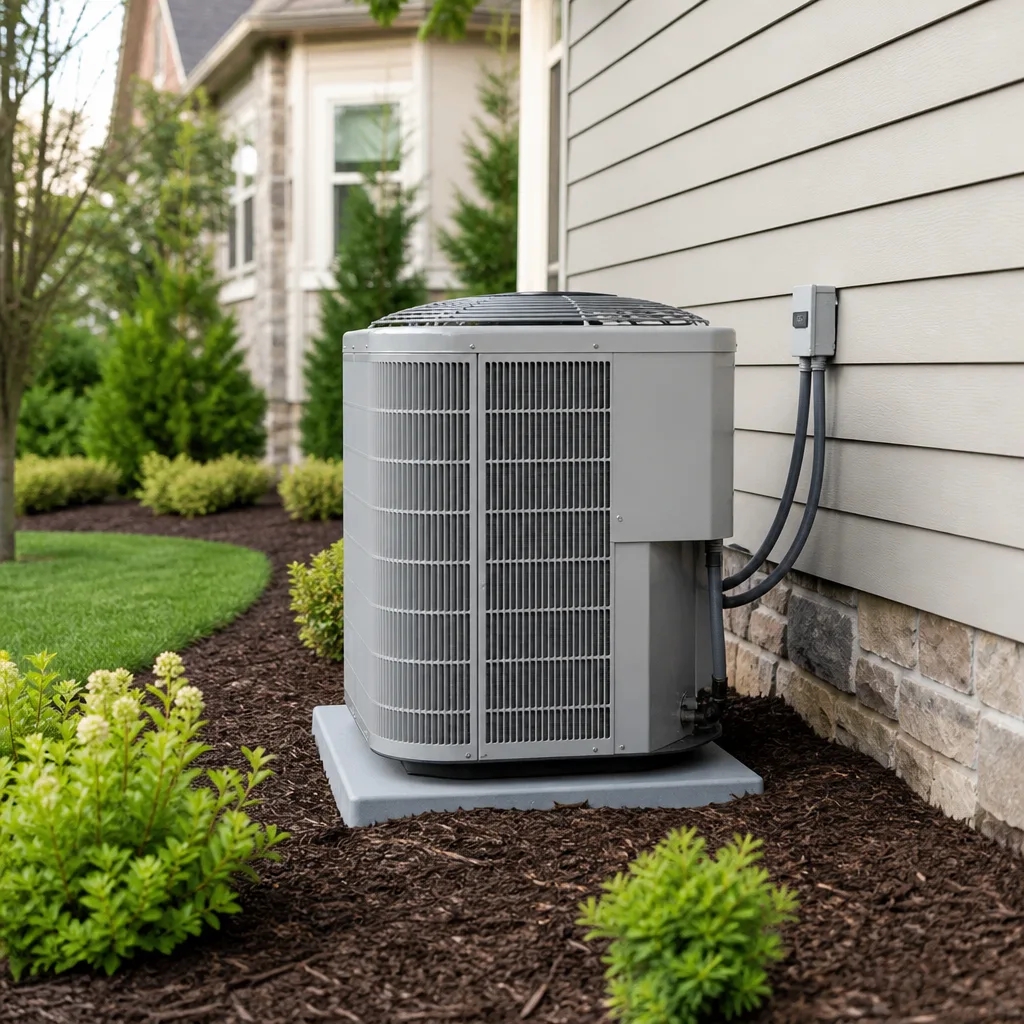 Carrier
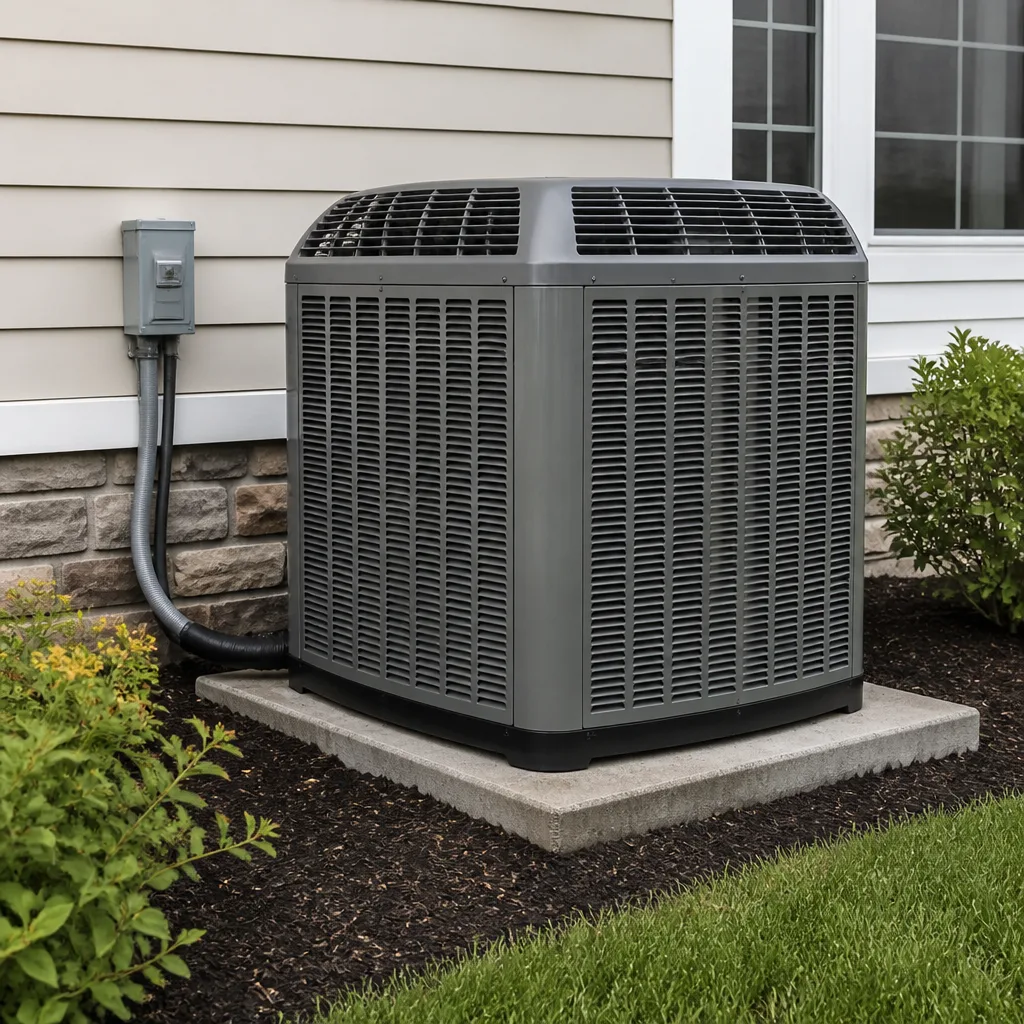 Trane
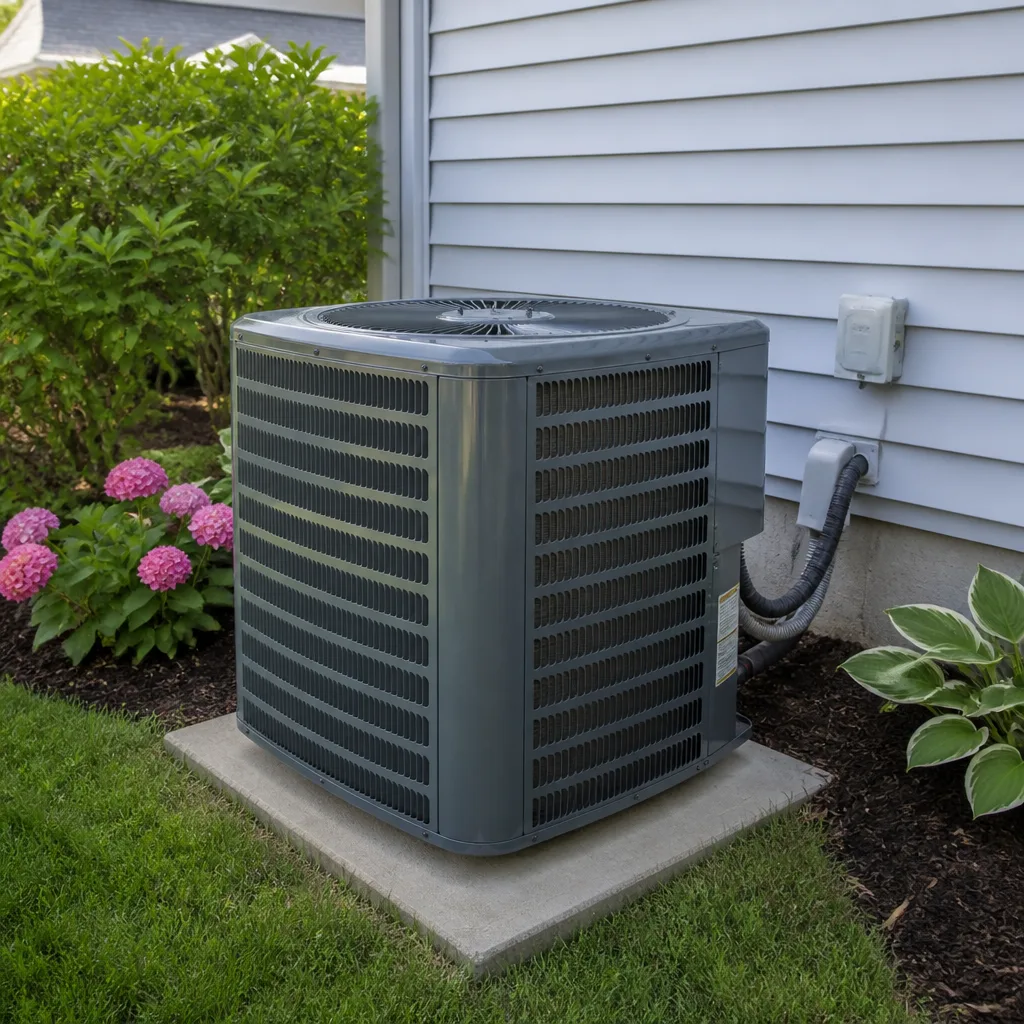 Goodman
Seasonal tune-up and full diagnostic on your Carrier, Trane, or Goodman system - readings shown to you before any repair is proposed
Diagnosis first, numbers second - you approve the repair price before a single part goes in.
Get your free estimateAC Repair Troubleshooting in Lakeland: Common Problems and How to Fix Them
Most troubleshooting guides work like a medical encyclopedia: they list symptoms alphabetically and leave you to guess. That’s not how a technician thinks. A tech walks in, listens to what the system is doing, checks airflow at a register, watches the thermostat, and narrows the fault down in a specific order. This guide works the same way. We’ve organized it by what you can actually observe – no air, no cool air, ice, noise, water – and route you to the most probable cause first. It also tells you plainly where safe checking ends and a licensed technician has to take over, and why. If you’re in Lakeland and your AC is struggling, read this before you spend a dollar on a service call.
Quick Answer
If your AC isn’t cooling in Lakeland, check three things before calling anyone: the breaker at the panel, the air filter, and whether the condensate drain line is clogged. These three account for a large share of “emergency” calls, and each is a five-minute check with no tools. If all three are fine and the system still won’t cool, the problem is likely refrigerant, a capacitor, a compressor, or control wiring – and that’s where a trained technician takes over.
Styles & brands we work with
- AC repair
- Furnace & heating
- Heat pumps
- Ductless mini splits
- Carrier
- Trane
- Goodman
Table of Contents
- No Cool Air, But the System Is Running
- No Air at All Coming From the Vents
- Ice on the Unit or Refrigerant Lines
- Water Leaking From the Air Handler
- Unusual Noise From the Outdoor Unit
- Thermostat Miscommunication That Mimics Bigger Failures
- Slow Refrigerant Leak vs. Catastrophic Loss
- Common Mistakes to Avoid
- When to Call a Professional
- Frequently Asked Questions
No Cool Air, But the System Is Running (Fan Blowing, Air Is Warm)
Warm air moving from the vents is the single most common cooling complaint we see in Lakeland. It usually means the outdoor condenser isn’t running, the system has lost refrigerant, or airflow across the indoor coil is blocked. Here’s the order a technician follows.
- Check the thermostat is set to COOL and the fan to AUTO. If the fan switch is set to ON, the blower runs continuously whether or not the condenser is keeping up, which makes a dead outdoor unit look like a working system.
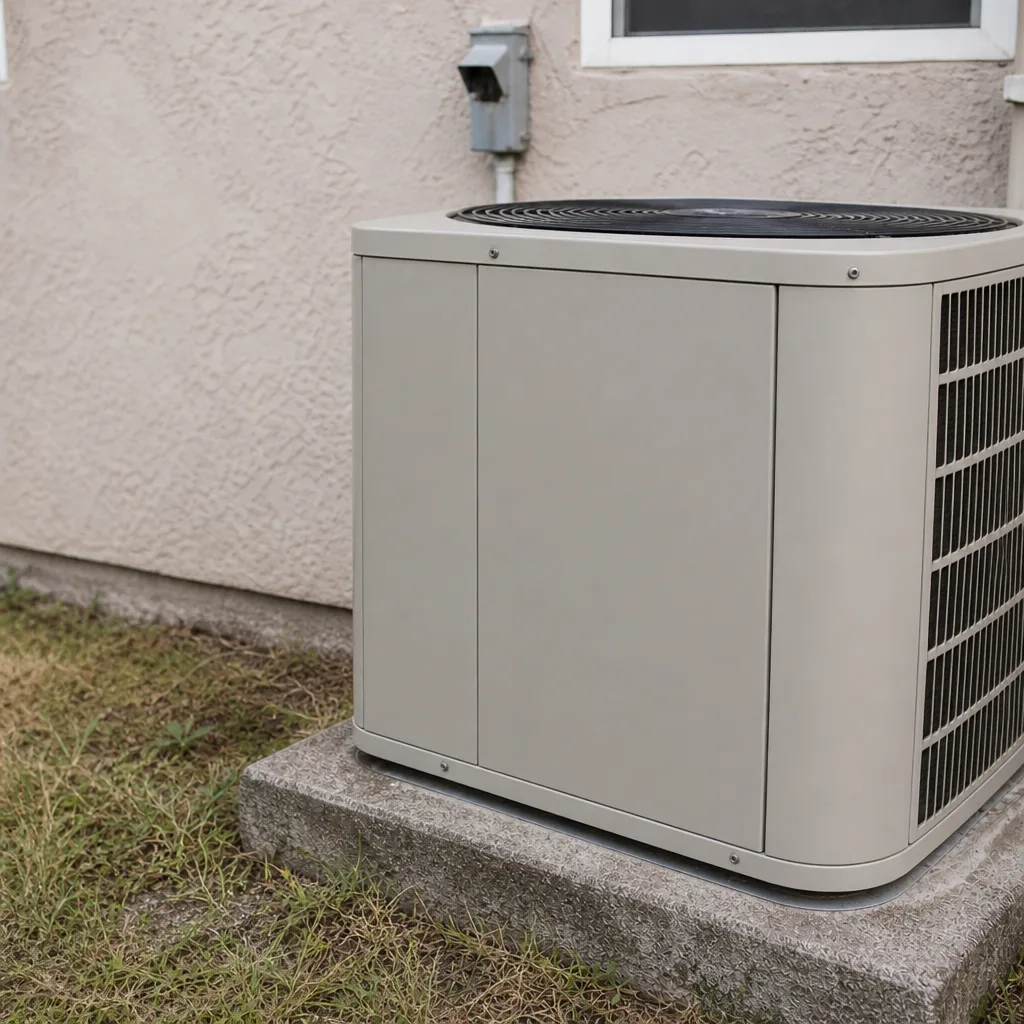
- Check the outdoor unit is actually running. Listen for the compressor hum and feel for warm air blowing off the top of the condenser. If the fan spins but the compressor is silent, or nothing runs at all, this is a condenser-side problem.
- Check the breaker at the main panel and the disconnect box near the condenser. A tripped breaker is common and resets in seconds. If it trips again immediately after reset, stop – that’s a fault a technician needs to find.
- Replace the filter. A clogged filter in a Florida home, with dust and pet hair and pollen, chokes airflow and can cause the indoor coil to freeze, which returns warm air to the rooms.
- Check the condensate drain. Many systems have a float switch that shuts the condenser off when the drain pan fills. If the drain is clogged, the system runs the blower but won’t cool.
If those five steps don’t resolve it, the likely culprit is a failed capacitor, a bad contactor, a refrigerant leak, or a compressor fault – all professional territory. Our technicians have up to 9 years of experience and work on all the major brands installed across Lakeland homes, including York, Daikin, Bryant, and American Standard systems. We diagnose what’s actually installed, not what we’d rather sell.
No Air at All Coming From the Vents
If you hear nothing from the vents and the thermostat is calling for cooling, the problem is upstream of the cooling cycle: the blower, the control board, the transformer, or the power feed. The house will heat up fast in a Lakeland summer, so treat this one with urgency.
First, confirm the thermostat is actually sending the signal. Turn the fan from AUTO to ON. If the blower kicks on, the thermostat and blower are working and the issue is likely the condenser side or a cooling call problem. If the blower stays off in both modes, the problem is at the air handler or the power feeding it.
Second, check the breaker at the panel. The air handler is usually on its own circuit. Reset once. If it trips again, don’t keep resetting – a tripped breaker that won’t hold is a sign of a failed blower motor, a short in the wiring, or a bad control board, and those need a technician with a meter.
Third, check the condensate float switch. This is the one Lakeland homeowners miss most often. The float switch is a small safety device that sits in or near the drain pan. When the pan fills because the drain line is clogged, the switch cuts power to the system to prevent water damage. A system that’s completely dead and silent after a humid stretch is very often just a full pan and a tripped float. Look for standing water in the pan or a small switch with a reset tab, and if the pan is full, the drain needs clearing – see the water-leaking section below.
Beyond these three checks, “no air at all” is a job for a technician. Blower motors, control boards, and transformers are electrical components that carry real risk, and a wrong diagnosis wastes the trip.
Ice on the Unit or Refrigerant Lines
Ice on the copper lines or the outdoor unit is not a sign your AC is “working too well.” It’s a sign the system is starved for heat transfer, and it always means something is wrong. In Lakeland’s humidity, ice can show up on a 95-degree afternoon, which surprises people.
There are two common causes: restricted airflow and low refrigerant charge. Restricted airflow freezes the indoor coil because the coil gets too cold without enough warm air moving across it. Low refrigerant does the same thing because the system runs with too little pressure to absorb heat. Either way, the ice insulates the coil, cooling gets worse, and the compressor can be damaged if the system keeps running.
What to do when you find ice
- Turn the system off at the thermostat. Don’t just switch it to fan – switch cooling off entirely. Running a frozen system stresses the compressor.
- Replace the filter if it’s dirty. This is the airflow half of the diagnosis and the one safe fix you can make yourself.
- Let it thaw. Turn the fan to ON if you need some air movement, but keep the cooling off. Ice can take a few hours to melt.
- Call a technician. Once thawed, if the ice returns or the system still doesn’t cool, you’re dealing with a refrigerant issue or a deeper airflow problem. Both need gauges and a trained eye.
Never chip ice off the coil or the lines with a tool. The coil is thin copper and the lines are under pressure. A puncture is a much bigger bill than the diagnosis. If your system uses a refrigerant our team works with regularly, we can check charge and leak integrity with the right equipment – our AC repair service in Lakeland covers exactly this kind of diagnosis.
Water Leaking From the Air Handler or Drain Line
Water pooling near the indoor unit is one of the most common Lakeland AC problems, and in our humidity, it’s also the one that does the most quiet damage if it’s ignored. The indoor coil condenses a surprising amount of water on a normal day, and all of it has to leave the house through the condensate drain. When that drain clogs, the water has nowhere to go but the pan, the ceiling, or your floor.
How to identify a clogged drain:
- Water in the drain pan under the air handler, or a wet spot on the floor nearby
- The system cutting on and off for no obvious reason (the float switch tripping)
- A musty smell or visible algae in the drain line or pan
- Water stains on the ceiling below an attic-installed air handler
How to clear it safely:
- Turn the system off at the thermostat.
- Locate the drain line – usually a white PVC pipe running from the air handler toward a floor drain, condensate pump, or the outside of the house.
- Look for the trap or the open tee where you can access the line. Many systems have a cap or a short vertical stub for this purpose.
- Use a wet/dry shop vac on the outdoor end of the line or at the access tee to pull the clog out. A stiff wire or a plumbing brush works for a stubborn clog.
- If you can access the pan, mix warm water with a little vinegar and pour it down the line to help clear residue. Don’t pour anything caustic into the system.
- Test by running the system and watching the drain for a few minutes.
If the clog won’t clear, or the drain line is buried in a wall or under the slab, stop. A technician can clear it with the right tools and check the float switch and pan at the same time. In the meantime, don’t run the system with a full pan – you’re risking water damage to the ceiling and the air handler. Our Ambassador AC Repair team handles drain line clearings on every repair visit, because a clogged drain is almost always a symptom of a system that needs a general check.
Unusual Noise From the Outdoor Unit
Noise is the most diagnostic thing you can observe, and the type of sound usually points directly to the component. A few minutes of listening can save a lot of guessing.
- Clicking at the contactor. A single click when the system starts is normal. Rapid repeated clicking points to a failing contactor or a control voltage problem.
- Buzzing or humming from the compressor. Hard-starting compressors make a low hum, then trip. This is often a bad start capacitor. Stop the system and call – repeated hard starts shorten compressor life.
- Squealing or grinding. A failing fan motor bearing or a blower issue. Turn it off and get it checked; a seized motor can draw high current and burn wiring.
- Rattling. Loose panels, a fan blade contacting the grille, or debris in the unit. Sometimes the fix is as simple as tightening screws; sometimes it’s a bad fan blade.
- Hissing. A hiss near the copper lines can indicate a refrigerant leak. Refrigerant lines are under pressure, so don’t try to tighten fittings or handle the lines yourself.
Never open the electrical panel on the condenser to diagnose a noise yourself. The capacitor and contactor carry high voltage and can hold a charge after power is off, and a compressor run capacitor is dangerous to handle without proper discharge. This is one of the clearest stop points in the whole guide.
Thermostat Miscommunication That Mimics Compressor Failure
A surprising number of “my compressor is dead” calls turn out to be a thermostat wiring or configuration problem. The thermostat tells the system what to do. If the signal isn’t getting through, the system stays off and looks like a hardware failure.
Safe checks you can do yourself:
- Confirm the thermostat is in COOL mode, set below the room temperature, and not on a scheduled hold or vacation setting that’s blocking the call.
- Check the batteries. Battery-powered thermostats with weak batteries can lose the display or send an inconsistent signal. Replace them if the display flickers.
- Look at the low-voltage wiring at the thermostat base. With the thermostat removed (or the panel opened, depending on the model), check that the small colored wires are seated in their terminals. A wire that’s come loose – often the R wire or the Y wire – can shut down the cooling call entirely. If a wire is loose, push it back into its terminal. Never touch the wires to each other or to the metal housing – you can short the transformer.
- Check the fan setting. AUTO means the blower runs only when heating or cooling is called. ON means it runs all the time. If ON is set and the house still gets warm, cooling isn’t happening – which points at the condenser, not the thermostat.
What you should not do is trace the low-voltage wires into the air handler to test voltage with a meter. That’s a 24-volt control circuit that interacts with the main electrical panel, and one wrong probe can burn a control board. If the thermostat checks out, let a technician test the signal at the air handler. We troubleshoot thermostat and control wiring on Carrier, Lennox, Rheem, Goodman, and all the other major brands, and we can tell you whether the problem is the thermostat, the wiring, or the board.
Slow Refrigerant Leak vs. Catastrophic Loss: Why the Difference Matters
Refrigerant problems fall into two categories, and the category determines how urgent the repair is and how the diagnosis gets done.
A slow leak is a system that cools fine for months, then struggles in the hottest stretch, then fine again after a top-off. The symptoms build gradually: longer run times, a slightly warmer house in the afternoon, some ice on the lines when it’s humid. The system still cools, just poorly. A slow leak usually calls for a proper leak search with electronic detection and pressure testing, followed by a repair at the point of the leak. Adding refrigerant without finding the leak just delays the problem and stresses the compressor.
A catastrophic loss is a system that stops cooling suddenly. The lines are no longer cold, the outdoor unit may run but never cool, and the house climbs into the 80s within hours. A sudden loss is often a broken line or a fitting that let go, and it needs an immediate technician visit. Running the system with no charge can damage the compressor beyond repair.
Why the distinction matters: a slow leak can be scheduled. A catastrophic loss should not wait. In either case, don’t try to add refrigerant yourself. Refrigerant is a controlled substance and working with it safely requires certification and gauges.
If you’re unsure which situation you’re in, call and describe what happened. We can help you decide whether to shut the system down and schedule a visit or treat it as urgent. Either way, don’t guess at the repair – a technician can confirm with gauges in a few minutes.
See the difference
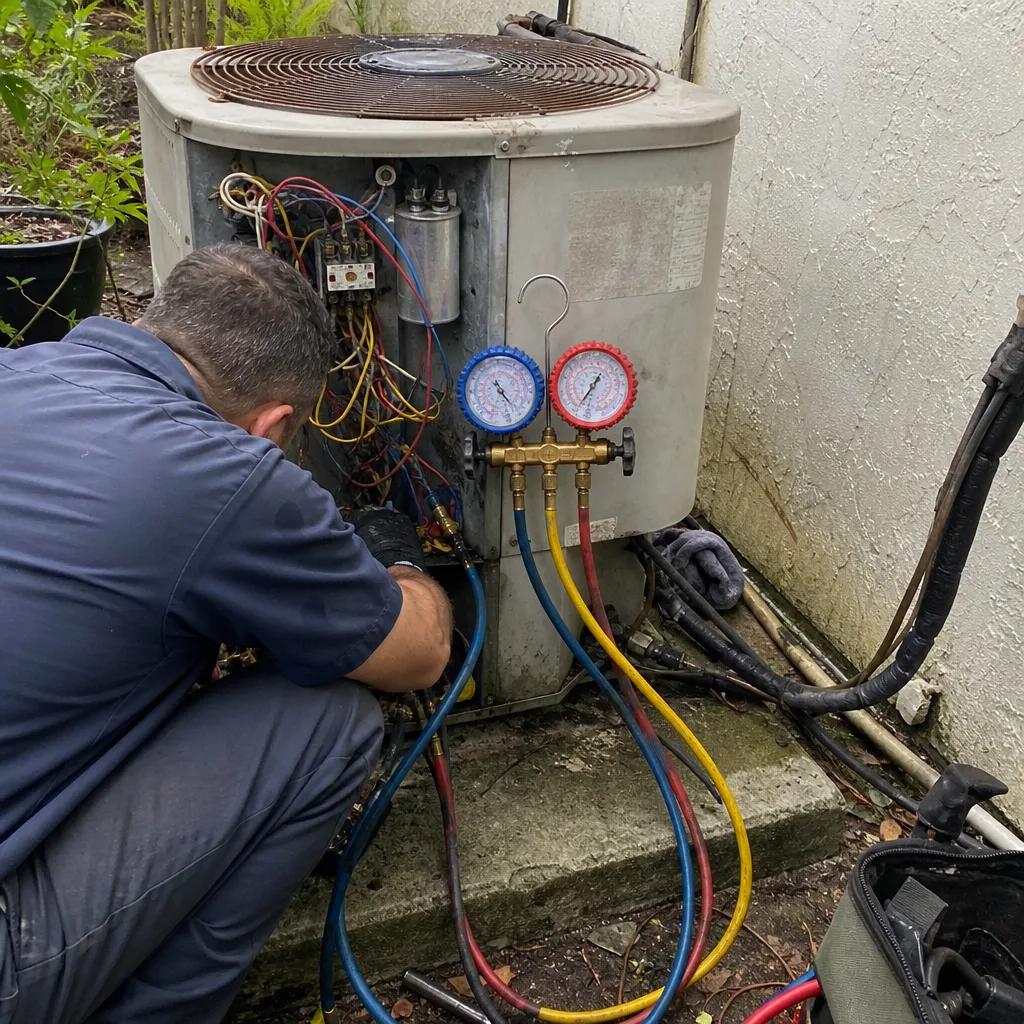 Before
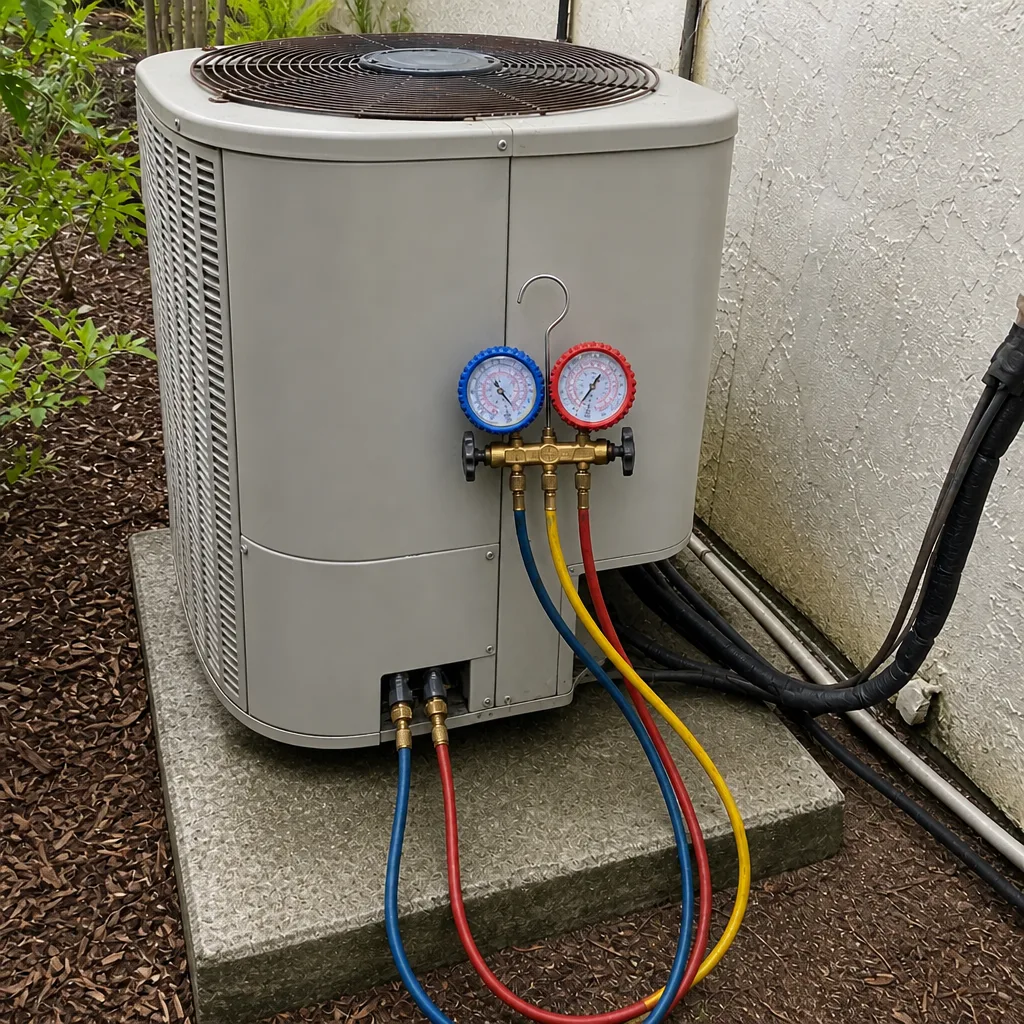 After
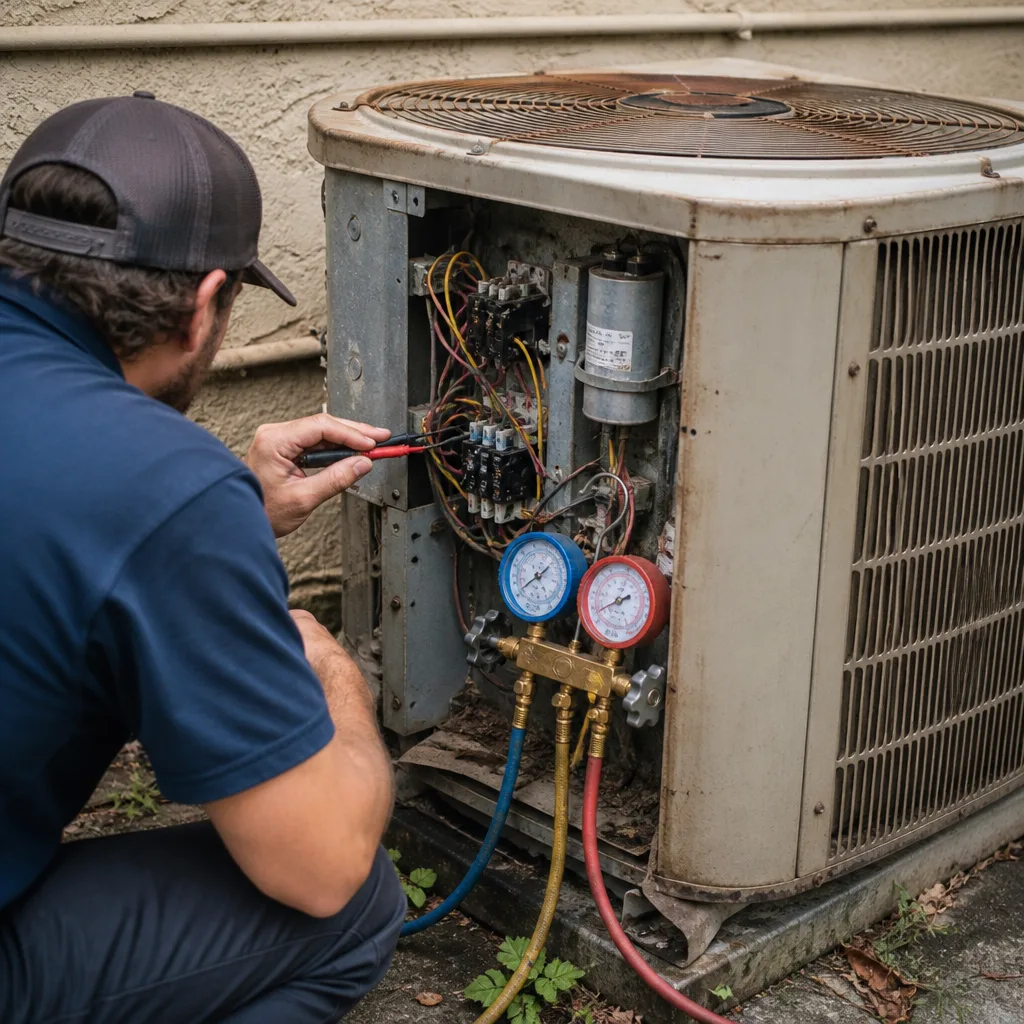 Before
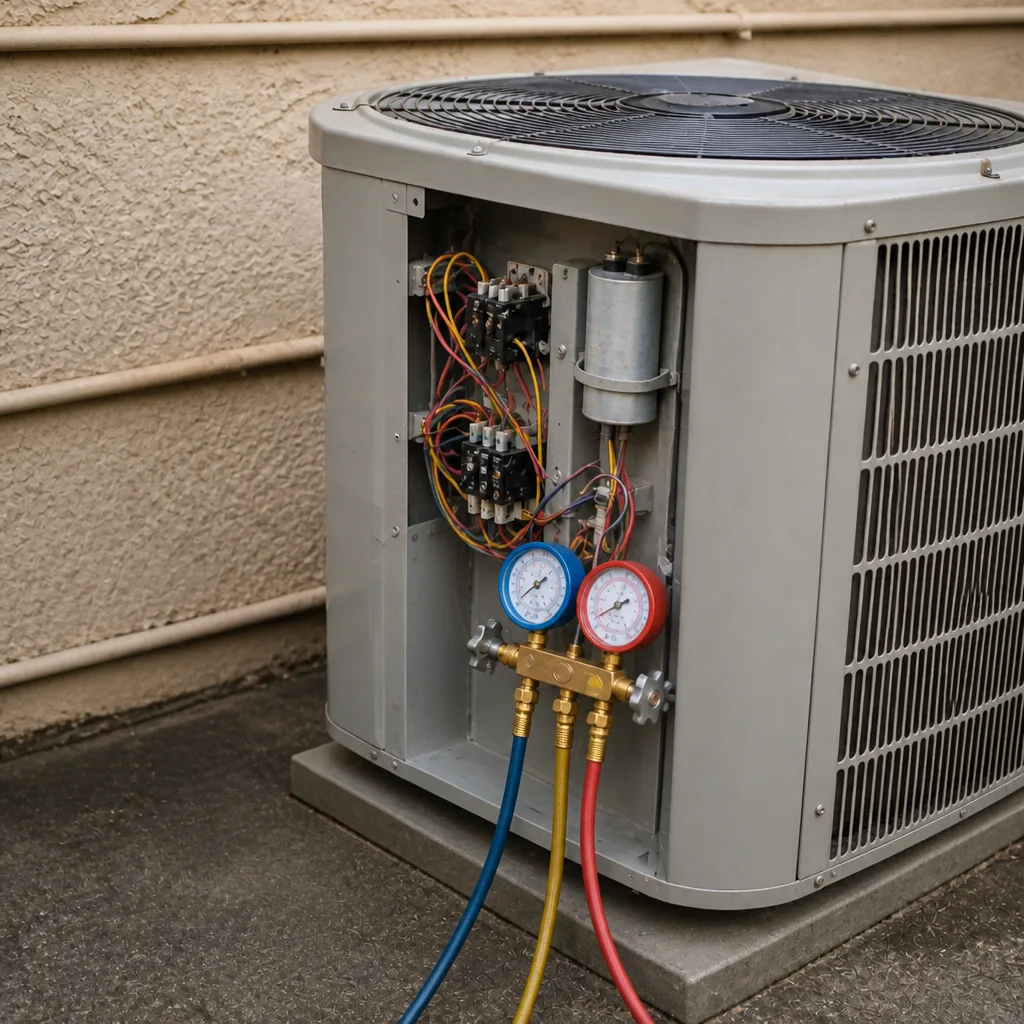 After
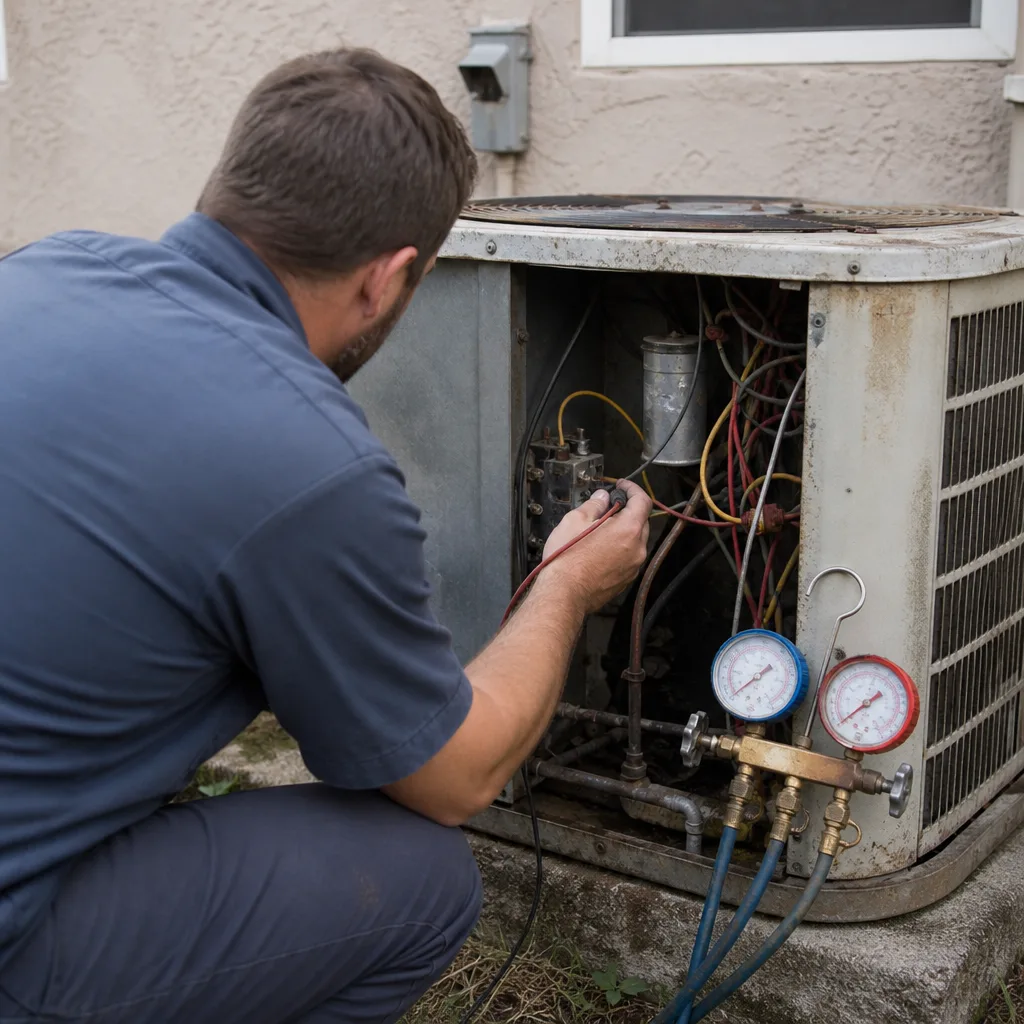 Before
 After
Same-Day Repair in Lakeland: How a Technician Approaches the Diagnostic
When you call us, we start with your observations, not with a sales pitch. The technician arrives, asks what the system is doing, and runs through the same diagnostic order in this guide. That means the visit is efficient and the diagnosis is grounded in what’s actually happening at your system, not a guess based on brand or age.
Some of what a technician checks that you shouldn’t:
- Static pressure and airflow across the indoor coil
- Superheat and subcooling readings with gauges to confirm refrigerant charge
- Capacitor microfarad readings against the rated value
- Voltage and amperage at the contactor and compressor terminals
- Control voltage at the air handler and the thermostat wiring
- The condensate pan, float switch, and drain line function
We work on every major system installed in Lakeland, from a Bryant system in a 1980s ranch to a new Daikin variable-speed unit. Nine brands, one number to call – Carrier, Trane, Lennox, Goodman, Rheem, York, Daikin, Bryant, and American Standard. You don’t have to hope the tech knows your equipment, because we do.
Common Mistakes to Avoid
- Resetting a tripped breaker over and over. A breaker that trips repeatedly is telling you something is wrong – a shorted motor, a bad wire, a failing board. Resetting it six times won’t fix it and can damage the compressor. Reset once, then call.
- Running the system with ice on the coil. A frozen coil insulates the coil and starves the compressor, and running it hard in that state is one of the fastest ways to kill a compressor. Shut cooling off and let it thaw.
- Adding refrigerant without finding the leak. Topping off a slow leak never solves the problem. It delays it, stresses the system, and costs you again in a few months. Find the leak, repair it, then recharge.
- Ignoring a drain line that keeps clogging. In Florida humidity, algae grows in the drain line quickly. A recurring clog is a sign the drain needs a proper clearing, and a float switch that keeps tripping is a warning, not a nuisance.
- Setting the thermostat far below where you want it to get the house cool faster. Your system cools at one rate. Dropping the setpoint to 65 on a hot Lakeland afternoon doesn’t cool faster, it just runs longer. Set it to the target and leave it.
- Replacing the whole system on a symptom. A system that won’t cool is very often a capacitor, a clogged drain, or a refrigerant issue – not a compressor. Get a diagnosis before you get a replacement quote. Our AC installation team will tell you straight when repair is the better call, because we work on your system, not the one we wish you had.
- Hiring a generalist for a brand-specific diagnosis. A handyman who “does HVAC on the side” may not know the fault codes or control sequence on your specific unit. Match the technician to the equipment.
When to Call a Professional
Call a licensed technician when any of the following is true: the breaker won’t hold after one reset; there’s ice on the outdoor unit or the copper lines that returns after thawing; the system is silent and the float switch and breaker checks are clean; you hear hissing near the refrigerant lines or the system stopped cooling suddenly; there’s water leaking from the air handler and the drain won’t clear; the thermostat checks are clean but the system won’t start. Also call if you’re simply not sure – describing the problem takes two minutes and can save you an afternoon of guessing. Never open the electrical panel, the condenser cabinet, or the refrigerant lines yourself. Capacitors hold a charge, refrigerant is pressurized, and the control board isn’t a place to learn on the job.
Ambassador AC Repair offers free estimates in Lakeland – call (855) 528-6110. We answer 24/7. Fast dispatch from 7am to 7pm, Sunday through Friday.
Frequently Asked Questions
Check the air filter, the breaker at the panel, and the condensate drain line before anything else. Those three account for a large share of “not cooling” calls, and each is a five-minute check. If all three are fine and the system still blows warm air, the problem is likely refrigerant, a capacitor, or the compressor – call us for a diagnosis. Call (855) 528-6110 for an exact quote – estimates are free.
Ice on the coil or lines usually means restricted airflow or low refrigerant. A dirty filter, a blocked return, or a failing blower lets the coil get too cold and freeze. Low refrigerant does the same. Shut the cooling off, replace the filter, let it thaw, and call if the ice returns. Call (855) 528-6110.
Often yes, if you can reach the accessible end of the line or the access tee near the air handler. Use a wet/dry shop vac or a stiff wire to pull the clog out, then flush with warm water and a little vinegar. If the drain is buried or the clog won’t clear, stop – a technician can clear it and check the float switch at the same time. Call (855) 528-6110.
If the system cools worse gradually over weeks and recovers somewhat after a recharge, that’s a slow leak. If it was cooling fine and suddenly stopped, with the lines no longer cold, that’s a catastrophic loss. A slow leak can be scheduled for a leak search; a sudden loss should be treated as urgent. Call (855) 528-6110 and describe what happened.
Not necessarily. A thermostat that won’t send a cooling call can make the compressor look dead. Check the batteries, confirm it’s in COOL mode, and check that the small wires at the thermostat base are seated. If the wiring looks fine and the system still won’t start, the problem is at the air handler or the condenser, and a technician needs to test it. Call (855) 528-6110.
We work on nine of the most widely installed brands in North America: Carrier, Trane, Lennox, Goodman, Rheem, York, Daikin, Bryant, and American Standard. That covers virtually every major system in a Lakeland home. Our technicians have up to 9 years of experience, and our diagnostics are brand-agnostic – we fix what you own. Call (855) 528-6110 for a free estimate.
The Bottom Line
Most AC “emergencies” in Lakeland start with a check you can do in five minutes: the breaker, the filter, and the drain line. Work through the symptom clusters in the order this guide lays out – no cool air, no air at all, ice, noise, water – and you’ll usually narrow the problem to a single probable cause before you pick up the phone. Know your stop points, though: refrigerant, capacitors, compressors, and control wiring are professional territory, and the wrong move there costs more than the diagnosis. If you’ve done the safe checks and the system still won’t cool, call us. We’ll tell you straight what your system needs.
Call (855) 528-6110 for a free estimate. We answer 24/7. Fast dispatch from 7am to 7pm, Sunday through Friday. Cooling and heating, handled.
Written by the team at Ambassador AC Repair.