
Last updated November 14, 2026
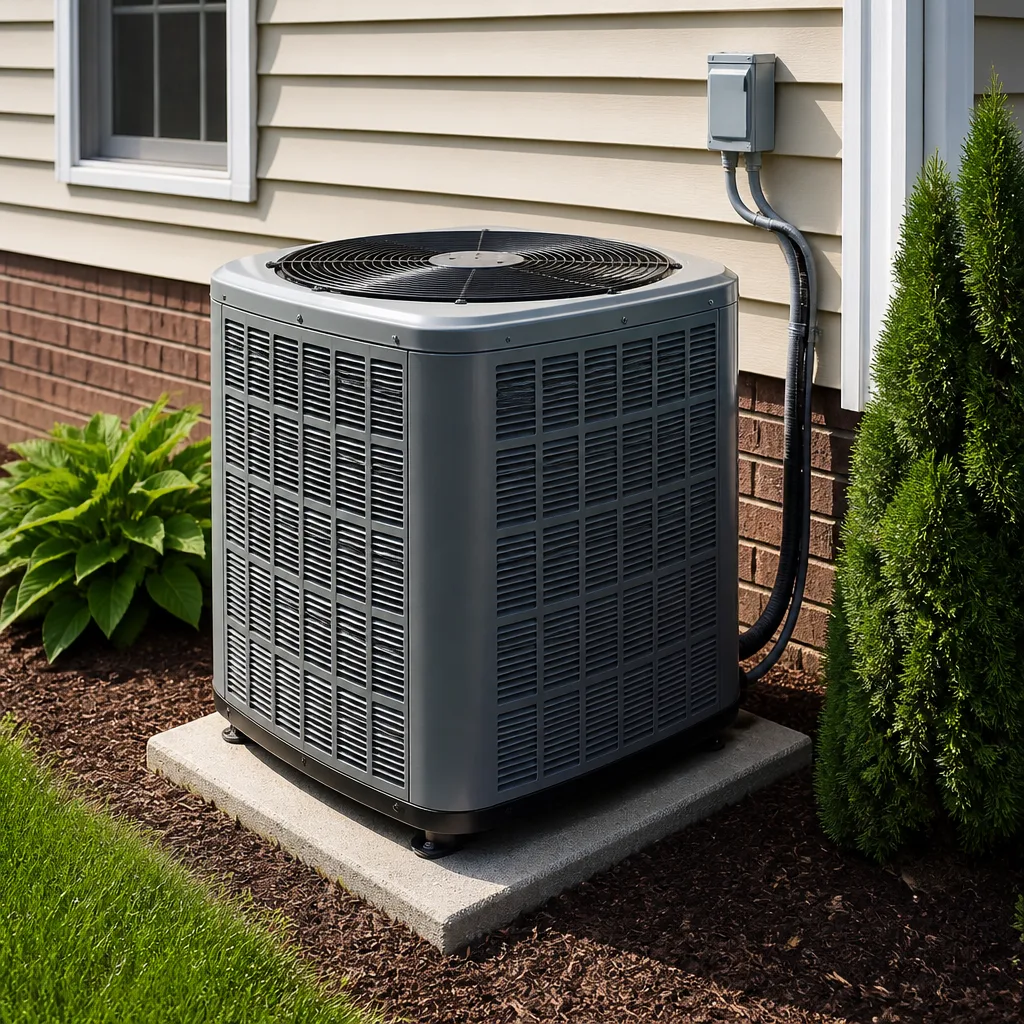 AC repair
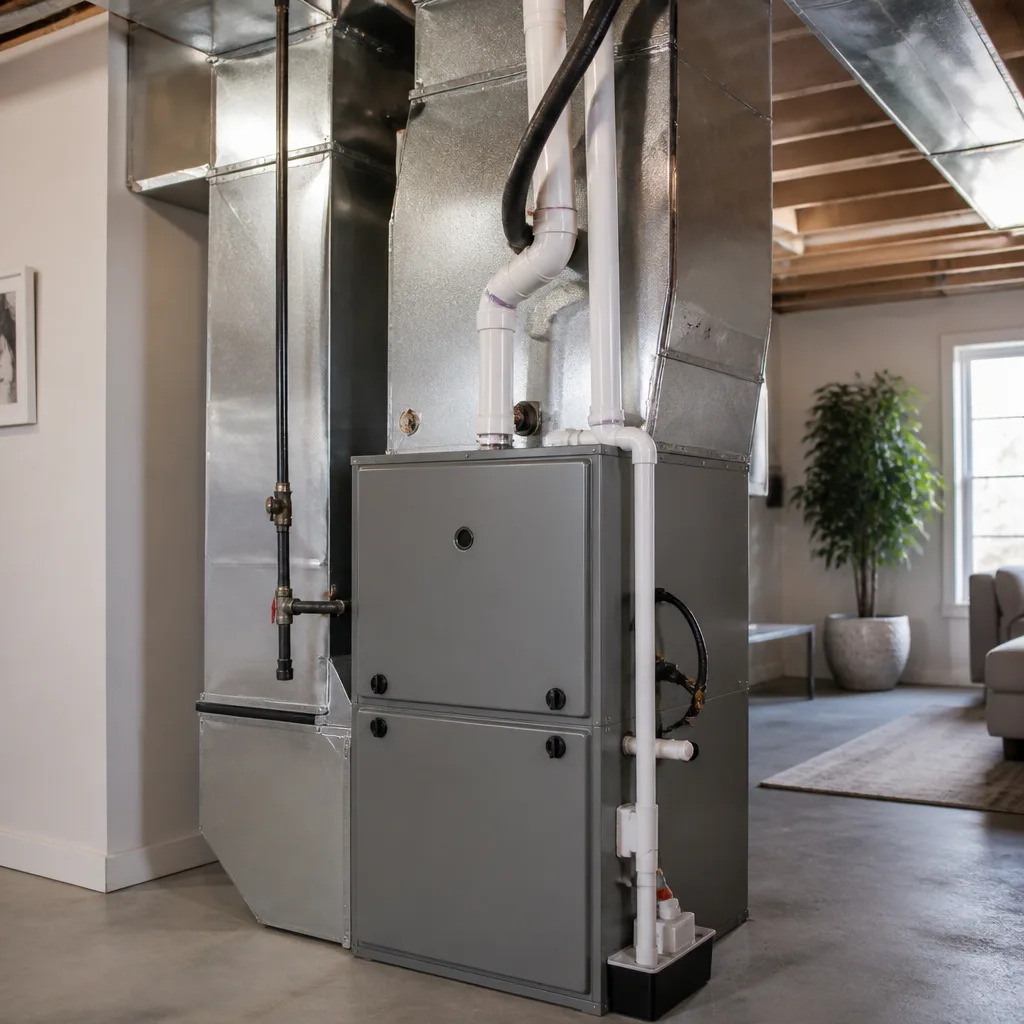 Furnace & heating
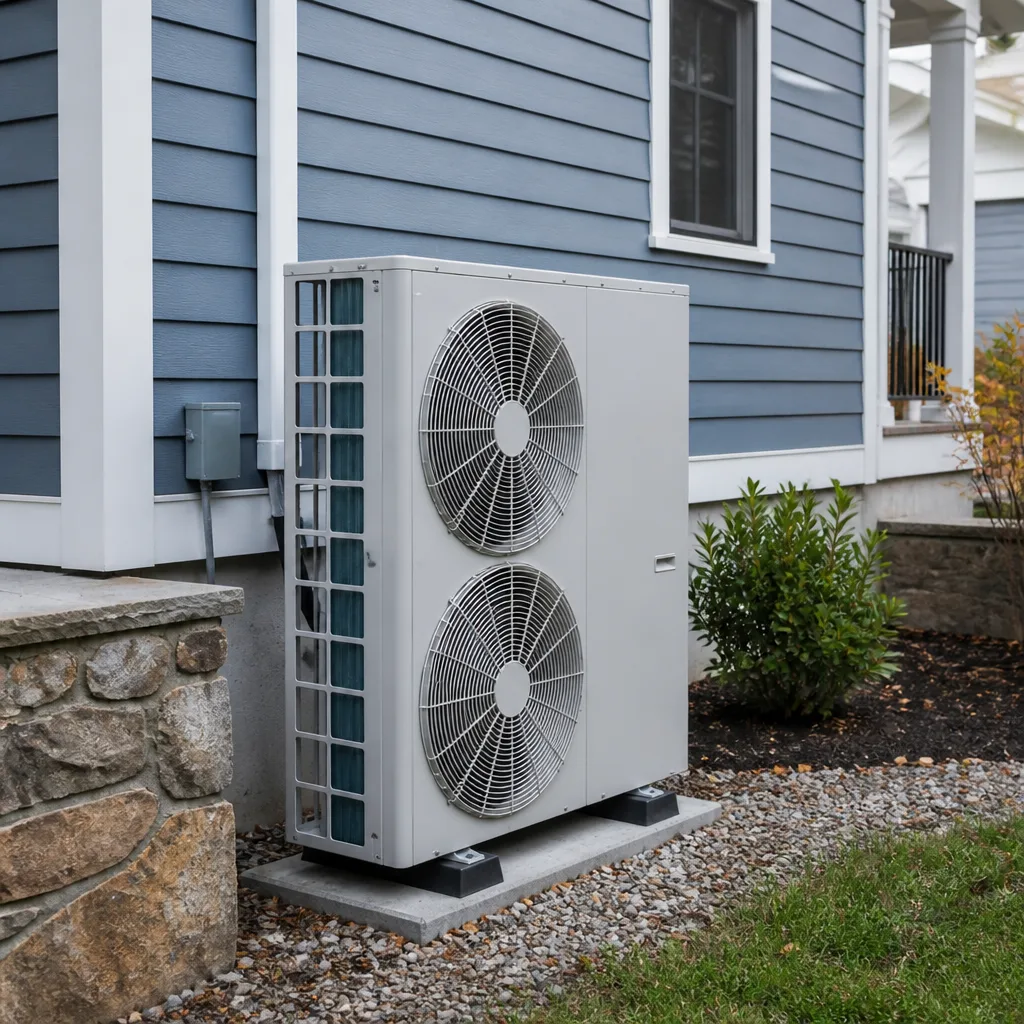 Heat pumps
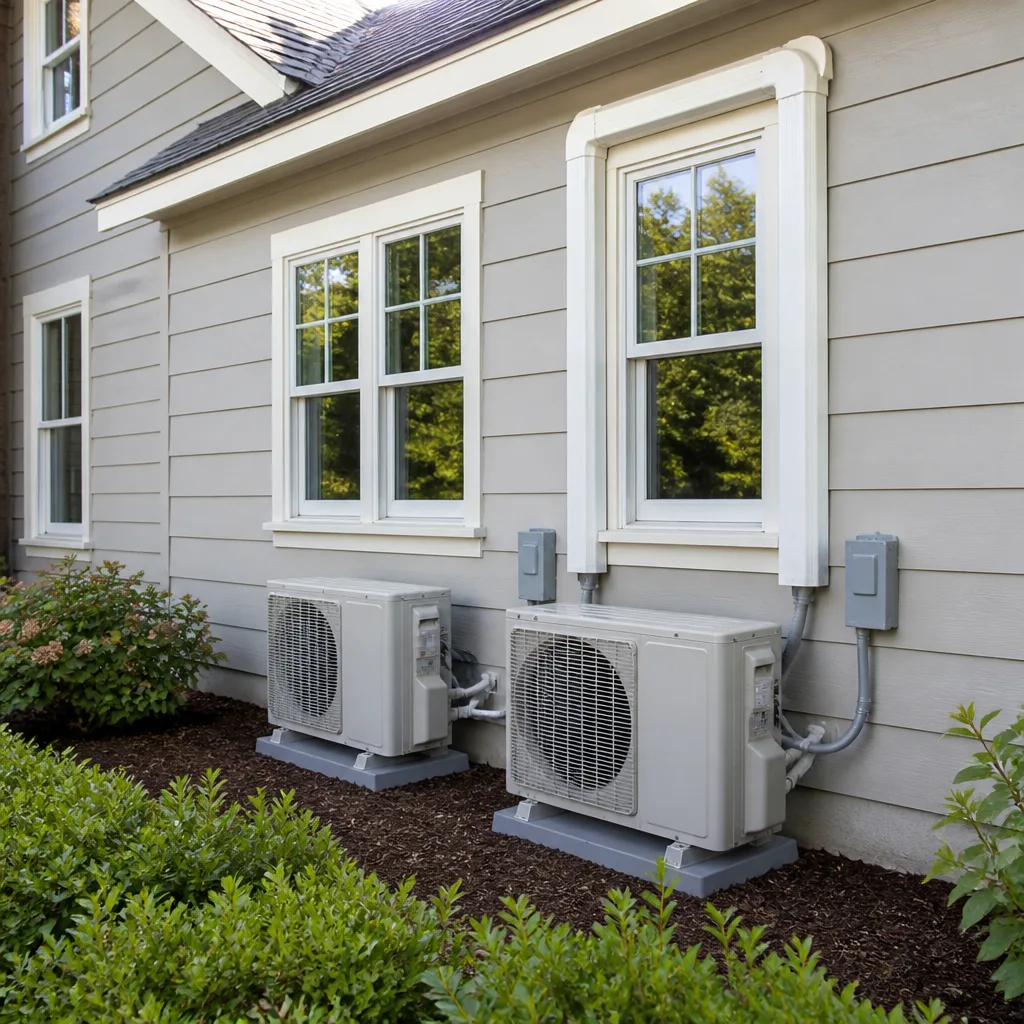 Ductless mini splits
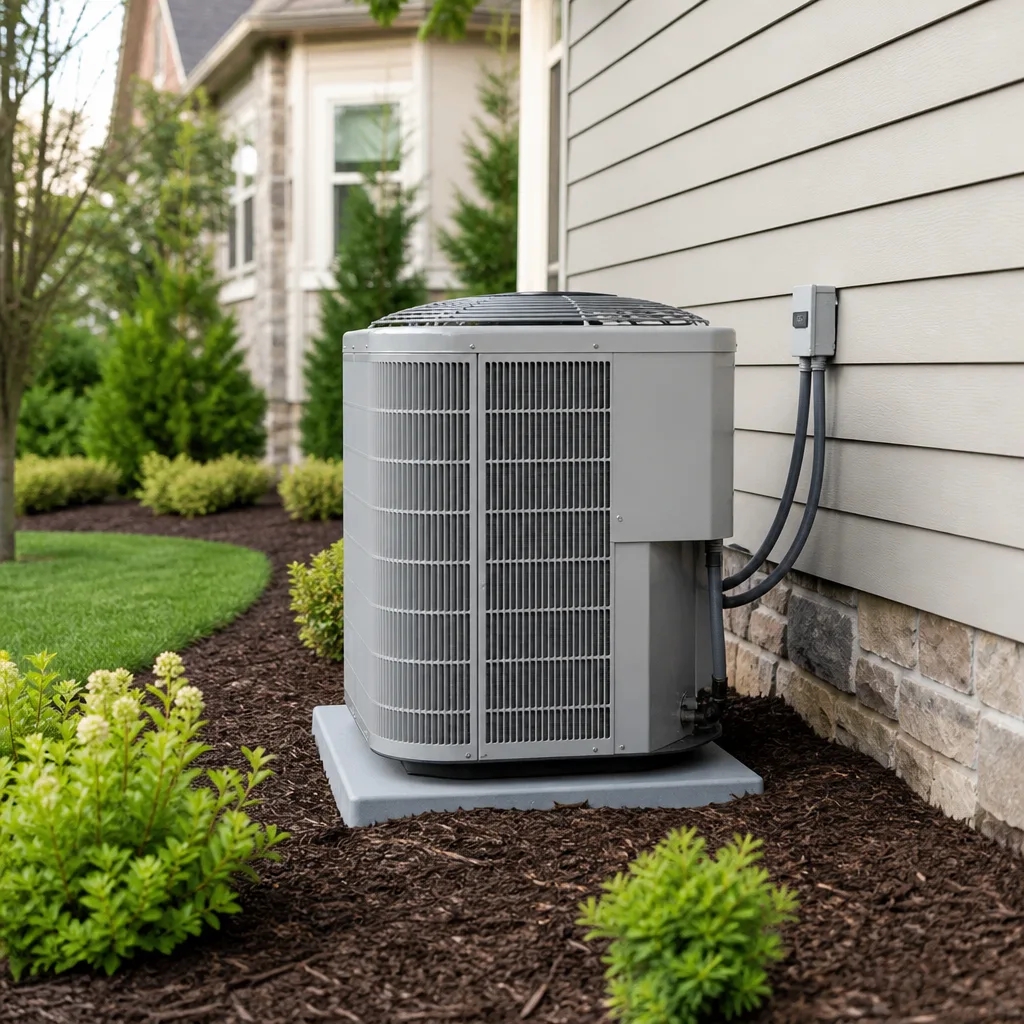 Carrier
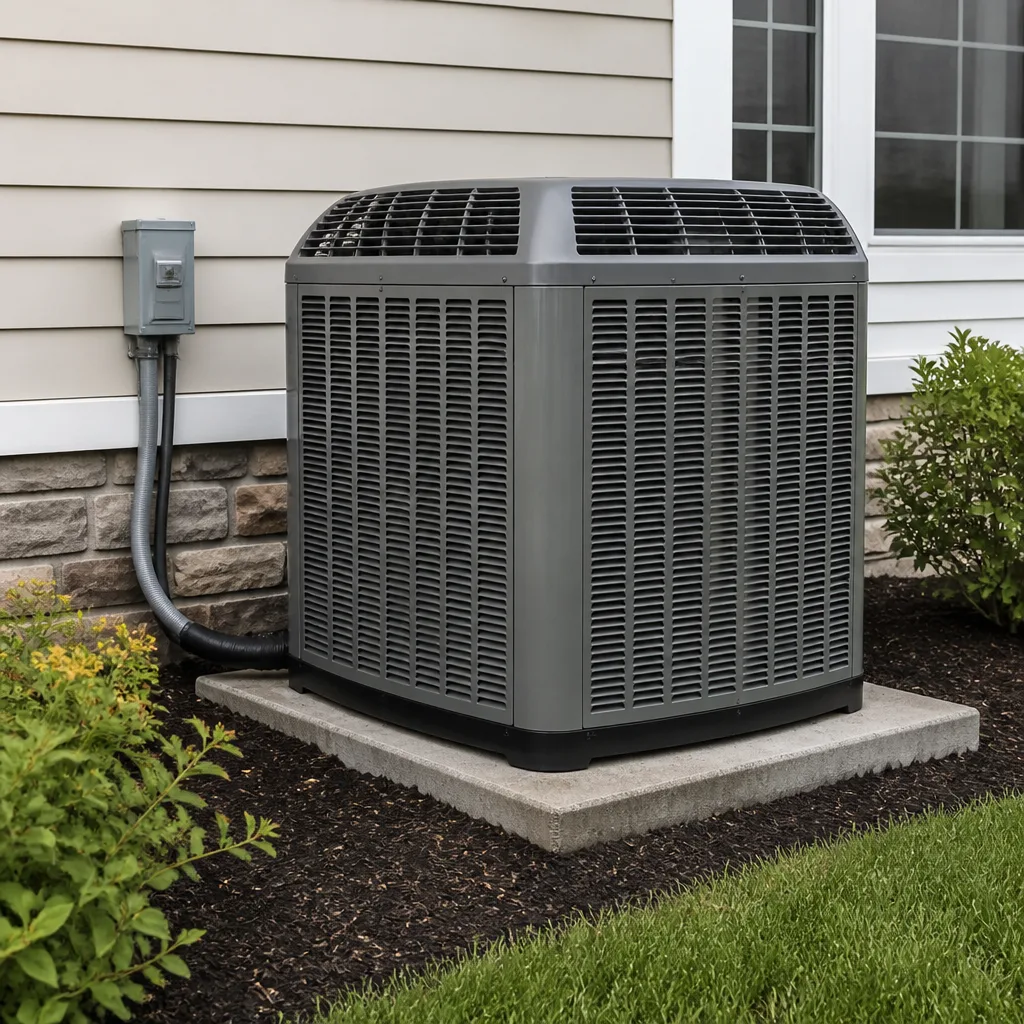 Trane
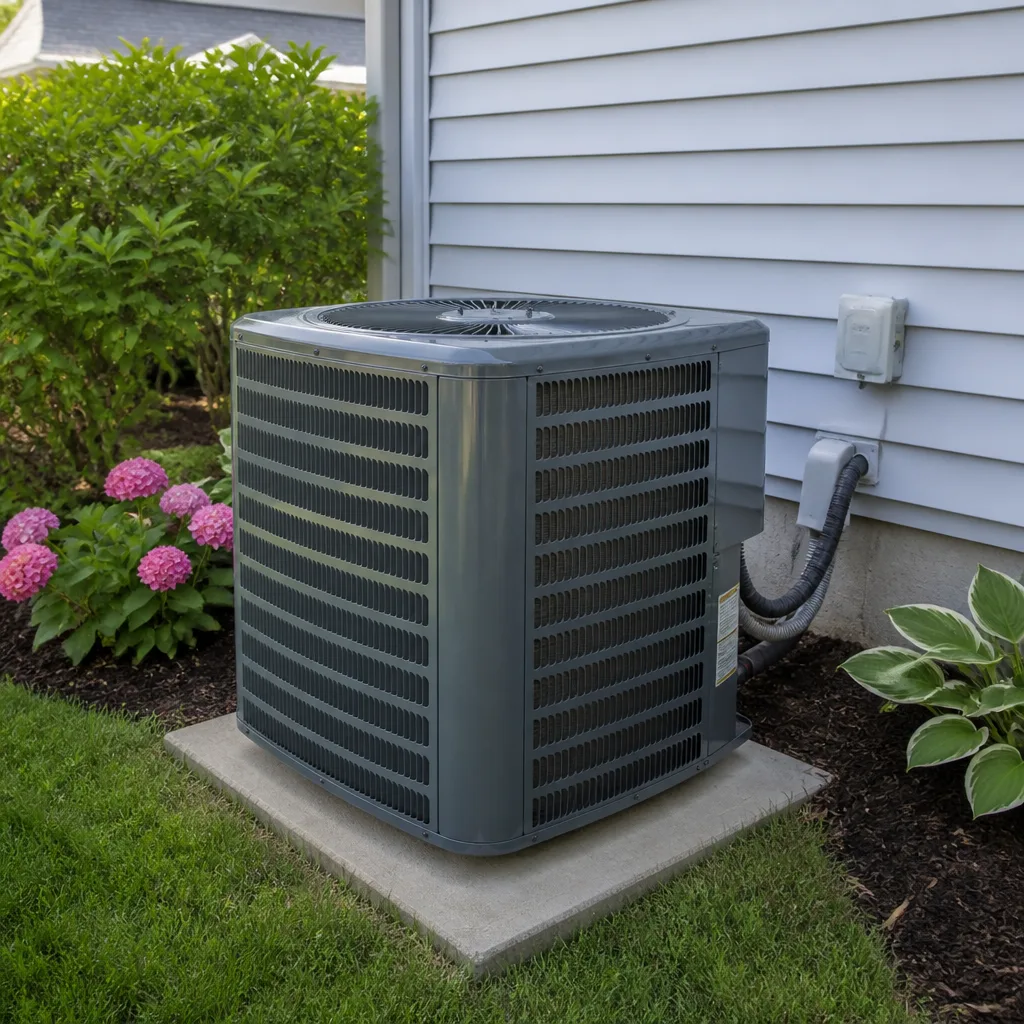 Goodman
Seasonal tune-up and full diagnostic on your Carrier, Trane, or Goodman system - readings shown to you before any repair is proposed
Diagnosis first, numbers second - you approve the repair price before a single part goes in.
Get your free estimateAC Repair Maintenance Checklist for Lakeland Homeowners
Most AC maintenance checklists you’ll find online were written for a generic national climate, which is exactly why so many Lakeland systems still fail in the middle of July. The culprit usually isn’t age or neglect. It’s a clogged condensate drain line that a ten-minute inspection back in April would have caught long before water backed up into the air handler. Central Florida’s sustained humidity puts different stress on an HVAC system than a dry climate does, and it does it on a different schedule. This guide sequences your maintenance around Lakeland’s actual seasonal pressure points, so you know what to check, when to check it, and why each task matters here. Along the way we’ll cover what you can safely observe yourself versus what needs a trained technician.
Quick Answer
An effective AC maintenance checklist for Lakeland runs on a Central Florida calendar, not a national one. The core tasks are: flush the condensate drain line monthly during the humid season, change filters every 30 to 45 days (not 90) if you have pets, sandy soil, or older ductwork, keep the outdoor unit clear of debris, and schedule a full professional inspection in March before the summer surge. Most preventable cooling failures come from a small handful of issues, and nearly all of them are cheaper to catch in spring than to fix in July.
Styles & brands we work with
- AC repair
- Furnace & heating
- Heat pumps
- Ductless mini splits
- Carrier
- Trane
- Goodman
Table of Contents
- Why Lakeland’s Climate Changes the Maintenance Calendar
- The Month-by-Month Checklist for Lakeland
- The Condensate Drain: Lakeland’s Number-One Priority
- Filter Change Reality Check for Lakeland Homes
- What You Can See: A Homeowner’s Visual Inspection
- What Requires a Licensed Technician
- Documentation That Protects Your Equipment and Warranty
Why Lakeland’s Climate Changes the Maintenance Calendar
Lakeland sits in the heart of Central Florida, and that location sets the entire rhythm of HVAC maintenance. Our cooling season runs long, and the shoulder months are warm enough that systems cycle almost year-round. Winters here are mild, so the furnace runs rarely, which creates its own problem: heating equipment that sits idle for months can develop issues nobody notices until the first cold snap.
What matters more than the heat is the humidity. Air in this region stays moist through a long stretch of the year, and that moisture has to go somewhere. Your air conditioner removes it by condensing water out of the air at the indoor coil, and that water drains away through the condensate line. When the air around your system is humid for months at a time, the drain carries far more water, far more often, than it would in a drier climate. That’s why condensate issues show up on Lakeland checklists more often than almost anything else.
A few more local realities shape the calendar:
- Sandy soil and development dust. Lots of Lakeland neighborhoods sit on sandy ground, and construction or new landscaping near a driveway sends fine grit into the air and onto condenser coils.
- Long pollen and allergen seasons. The growing season is long, so filters load up faster than the national average suggests.
- A short, mild heating season. You still need to test the heat, but the priority is making sure it works before the one week you actually need it.
- Afternoon thunderstorms. Summer storms are common, and the outdoor unit and its electrical connections take the brunt of it.
None of this means your system is fragile. It means the tasks that matter most in Lakeland aren’t always the ones a national checklist highlights. Build your calendar around moisture, dust, and a long cooling season, and the rest follows.
The Month-by-Month Checklist for Lakeland
Here’s the sequencing that actually fits Central Florida. Notice that the heaviest prep happens in late winter and early spring, not in May, when the summer surge is already underway and scheduling gets tight.
March: Pre-Summer Surge Prep
This is your most important month. Before the cooling season locks in:
- Schedule a full professional inspection and coil cleaning. Getting this done in March means any parts can be ordered and installed well before the first real heat wave.
- Flush the condensate drain line and test the float switch, if your system has one.
- Test the heating system one last time before it goes dormant. A furnace that ran fine in December may have developed a problem while sitting; catch it now, not in November.
- Clear the outdoor unit of leaves, pollen, and any debris that built up over winter.
- Replace filters and check the return grilles for dust buildup.
April to June: Ramp-Up
As run times climb, your filter and drain deserve attention:
- Change filters on the shorter interval described below, roughly every 30 to 45 days for most Lakeland homes with pets or dusty surroundings.
- Flush the condensate drain monthly once the system is running daily.
- Watch the condensate pan for standing water. Any water that doesn’t drain is a warning sign.
- Feel the air coming from your vents. Weak airflow across the house points to a filter, duct, or blower issue.
July to September: Peak Season Monitoring
This is when the humidity load peaks and your system works hardest:
- Keep the filter schedule. Don’t let it slip because you’re busy.
- Check the outdoor unit weekly for debris and make sure it has clear airflow around it.
- Listen for new sounds: rattling, grinding, or repeated short cycling.
- Keep an eye on the condensate drain and pan, especially after heavy rain.
October to November: Pre-Heating Check
Before the cool season, run the heat for a few minutes and confirm it engages. In our experience, a lot of heating problems surface here simply because the system went untouched for months. If anything seems off, get it looked at before the one cold stretch of the year.
December to February: The Quiet Season
Cooling demand drops but doesn’t disappear. Keep filters reasonably fresh, clear debris from the outdoor unit after storms, and use the quieter months to schedule any repair or AC installation work you’ve been putting off. Scheduling is easier now than in July.
The Condensate Drain: Lakeland’s Number-One Priority
If you take one thing from this guide, make it the condensate drain. The region’s sustained humidity means your system pulls a large amount of moisture out of the air and sends it down the drain line continuously through the long cooling season. That continuous flow is what lets blockages form faster here than in drier climates, and it’s why a problem that would be minor elsewhere becomes a July emergency in Lakeland.
Here’s how it works. The indoor coil cools air, and water condenses on it the same way a cold glass sweats on a humid day. That water drips into a pan and out through a drain pipe. Over time, dust, algae, and mineral buildup coat the inside of that pipe. Add constant moisture and warmth, and growth accelerates. Once the line clogs, water has nowhere to go. It backs up into the pan, and if the pan overflows, it can reach the air handler, the insulation, and the surrounding structure. That’s where the mold concern comes from, and it’s why this single line deserves monthly attention rather than annual.
What you can do safely:
- Look at the drain pan each month. Any standing water that isn’t draining is a red flag.
- Check the outdoor drain outlet during the cooling season. A slow trickle or nothing at all while the system runs points to a partial or full clog.
- Keep the pan and drain area clean and dry when the system is off.
What to leave to a technician: actually clearing a clogged line. Flushing it correctly, checking the slope, and confirming a float switch will shut the system down before an overflow happens takes tools and know-how. A technician can clear the line and verify the safety switch, which is far cheaper than repairing water damage.
Filter Change Reality Check for Lakeland Homes
The “change your filter every 90 days” rule is a national average, and for a lot of Lakeland homes it’s simply wrong. Ninety days might work for a low-pet, low-dust household running a mild climate’s worth of hours. In Central Florida, with a long cooling season and long pollen, most homes need a shorter interval.
Use this as your starting point, then adjust to what your filter actually looks like:
- Standard 1-inch filters: every 30 to 45 days during the cooling season for most Lakeland homes. Homes with multiple pets or sandy soil near a driveway may need every 30 days.
- Homes with pets: err toward the short end. Pet hair and dander load a filter fast, and a clogged filter strains the blower and raises energy use.
- Homes near sandy soil or active construction: fine grit pulls into the return, so check the filter more often and replace sooner.
- Older ductwork: leaky or deteriorating ducts let dust in, so the filter loads faster than the label suggests.
- Thicker pleated filters: can often go longer between changes, but check monthly and let the filter’s condition decide.
The practical habit: pull the filter and hold it up to the light. If you can’t see through it, it’s done, regardless of what the calendar says. Write the date on the edge with a marker so you stop guessing. A clean filter protects the blower, keeps airflow up, and takes load off the whole system, and it’s the cheapest maintenance you’ll ever do.
What You Can See: A Homeowner’s Visual Inspection
A trained eye catches problems a homeowner can’t, but there’s a lot you can safely observe. Walk your system once a month and use your eyes, ears, and nose. Here’s what to look for and what each sign typically means.
The Outdoor Unit
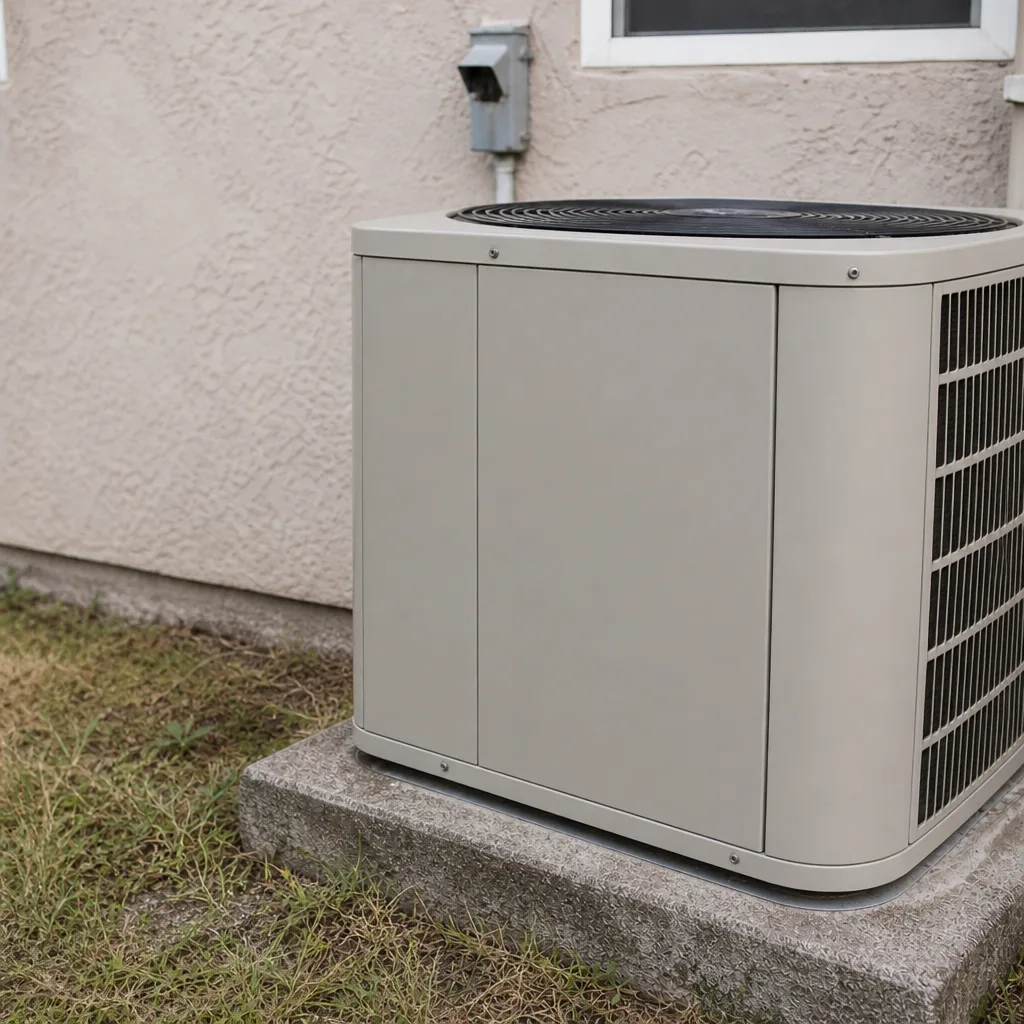
- Clear airflow: the condenser needs space. Keep leaves, grass clippings, and stored items away from it.
- Clean coils: visible dust, pollen, or grit on the fins reduces efficiency. This is a technician cleaning task, but noticing it early matters.
- Steady sound: a consistent hum is normal. Grinding, rattling, or clicking is not.
- No ice: frost on the outdoor unit or the refrigerant lines is a warning sign, not normal operation.
Refrigerant Lines and Coil Frost
You can visually inspect the insulated refrigerant lines and the indoor coil for frost. What you’re looking for is ice anywhere it shouldn’t be. Frost on the copper lines or a frozen indoor coil usually points to low refrigerant, restricted airflow, or another underlying problem. Here’s the important line: noticing frost is homeowner territory; fixing the cause is not. Refrigerant work requires a licensed technician with the right equipment, and adding refrigerant to a system that’s low without finding the leak just postpones the problem. If you see frost, turn the system off and call a professional rather than trying to thaw or troubleshoot it yourself.
Around the House
- Condensate pan and drain: no standing water.
- Supply vents: strong, consistent airflow and no whistling.
- Return grilles: no dust buildup, and nothing blocking them.
- Smells: a musty odor points to moisture or biological growth somewhere in the system, often near the drain pan.
This walk-through takes about ten minutes and catches the small stuff before it turns into a repair. It won’t replace a professional inspection, but it makes you a better-informed owner, and it helps a technician find the real issue faster.
What Requires a Licensed Technician
Knowing the boundary protects your equipment, your warranty, and your safety. Some tasks are homeowner-friendly, and some genuinely aren’t. Here’s a clear split.
Safe for Homeowners
- Changing filters on schedule.
- Keeping the outdoor unit clear of debris.
- Visually checking the condensate pan and drain outlet.
- Observing frost on lines and coils.
- Testing the thermostat and confirming settings.
- Recording dates and observations for your records.
For a Licensed Technician Only
- Diagnosing and repairing refrigerant issues, including any work on the sealed system.
- Clearing a stubborn condensate clog and verifying the float switch.
- Electrical diagnosis of the compressor, contactor, capacitor, or blower motor.
- Coil cleaning that requires opening the system.
- Duct inspection and repair.
- Any gas line work if you have a gas furnace.
Electrical and refrigerant work carry real risk, and DIY attempts on either can void a manufacturer warranty. If you own a AC repair situation that involves anything beyond cleaning and observation, it’s worth a professional look. HVAC systems from major brands like Lennox, Goodman, Rheem, and York are engineered to tight tolerances, and a small misstep on the sealed system or the wiring can turn a cheap fix into an expensive one.
Documentation That Protects Your Equipment and Warranty
Good record-keeping is the quiet part of maintenance that homeowners skip, and it’s often what decides whether a warranty claim goes smoothly. Build a simple folder or spreadsheet for your system and keep it current. Here’s what to record:
- Filter change dates. Note the date and the filter size every time you change it. This establishes a maintenance pattern.
- Professional service records. Keep invoices from every inspection and repair, including what was done and when.
- Model and serial numbers. Photograph the equipment label on both the indoor and outdoor units. You’ll need these for any warranty claim.
- Installation date and installer. Essential if your system is still under a manufacturer warranty.
- Observations. A short note when you notice frost, a new noise, or standing water helps a technician diagnose faster.
- Warranty documents. Keep the terms where you can find them, and check whether registration was completed. Many manufacturers require registration to honor a full warranty.
Why this matters across brands: whether you own a Lennox, a Goodman, a Rheem, or a York system, warranty terms generally require documented maintenance, and providers ask for records when a claim is filed. A complete file turns a stressful claim into a quick one. It also extends equipment life, because a documented problem is a problem someone actually fixed rather than one that got ignored.
This is where working with a multi-brand specialist pays off. At Ambassador AC Repair, we work on nine of the most widely installed brands in North America, including Carrier, Trane, Lennox, Goodman, Rheem, York, Daikin, Bryant, and American Standard. Our technicians have up to 9 years of experience, and they diagnose what’s actually installed in your home, not what’s convenient to sell. If you’re in the Lakeland area and want a baseline professional inspection this spring, that’s a smart time to book it.
Common Mistakes to Avoid
- Treating the condensate drain as an annual task. In Lakeland’s humidity it needs monthly attention during the cooling season. Skipping it is the single most common path to a July overflow.
- Following the national 90-day filter rule. Homes with pets, sandy soil near a driveway, or older ductwork need changes every 30 to 45 days. Trust the filter’s condition, not the calendar.
- Waiting until May to schedule maintenance. By then the summer rush is on. A March inspection catches problems before parts and scheduling get tight.
- Ignoring a short heating season. Skipping the heat test means finding out something’s wrong the one cold week you need it. Run it once before the season for a few minutes.
- Trying to troubleshoot frost or refrigerant yourself. Frost is a signal, not a DIY project. Turn the system off and call a licensed technician.
- Letting debris build up around the outdoor unit. Sandy soil and storm debris reduce airflow and efficiency. Keep the area clear.
- Skipping records. No documentation means warranty headaches later, no matter who made your system.
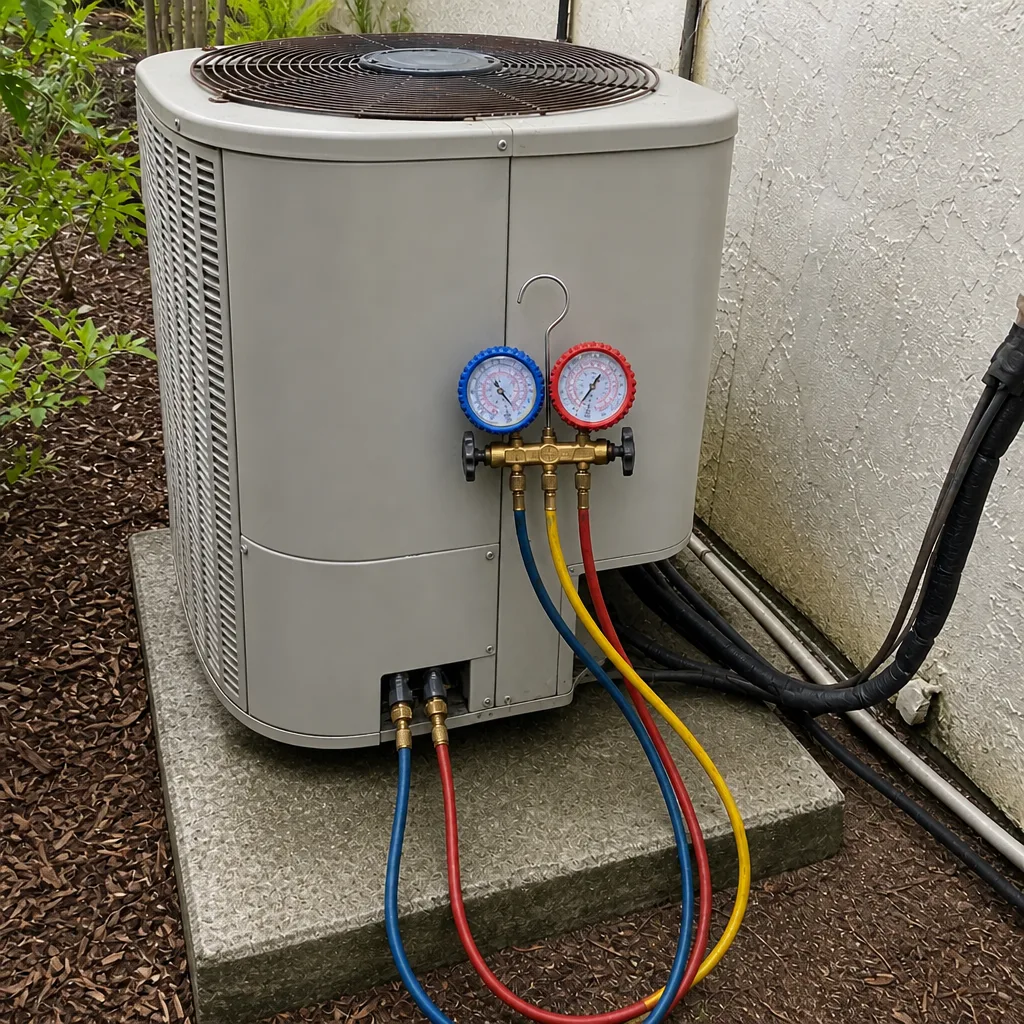
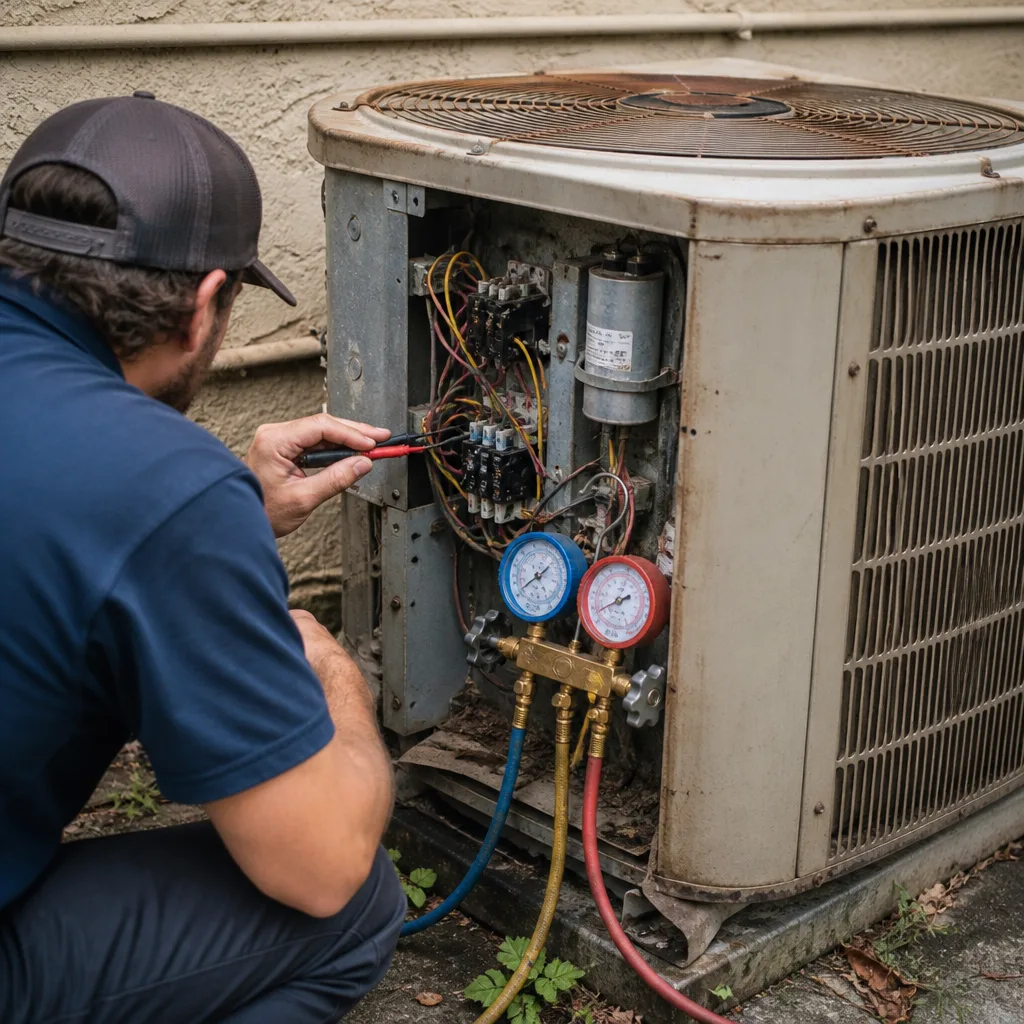
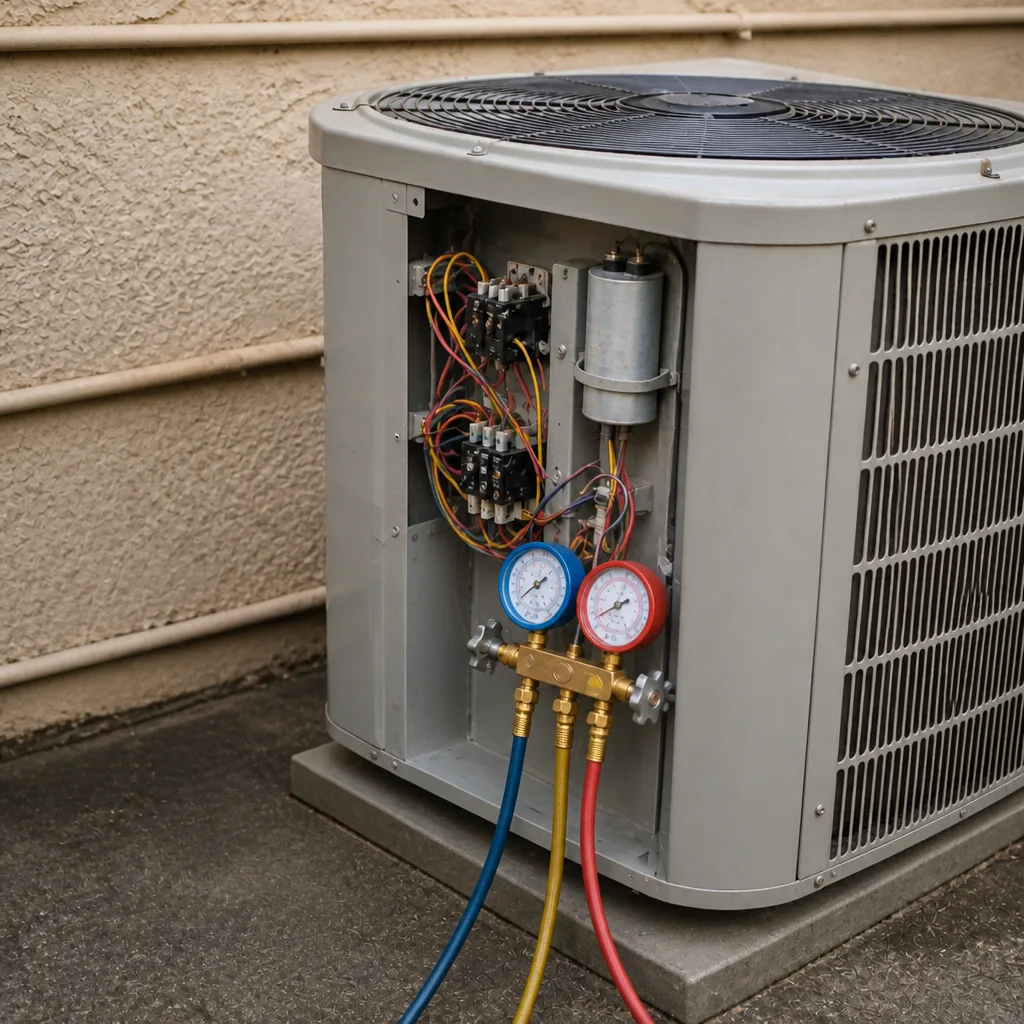
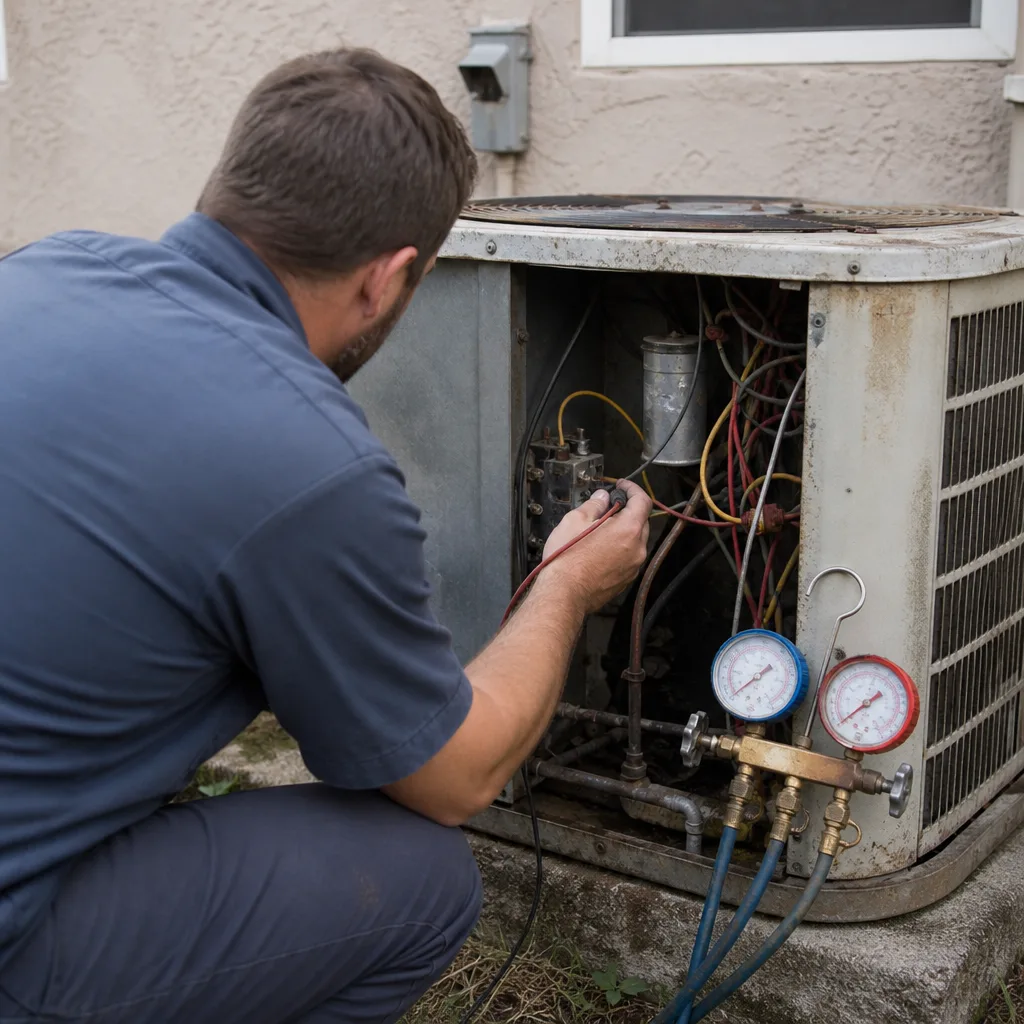
See the difference
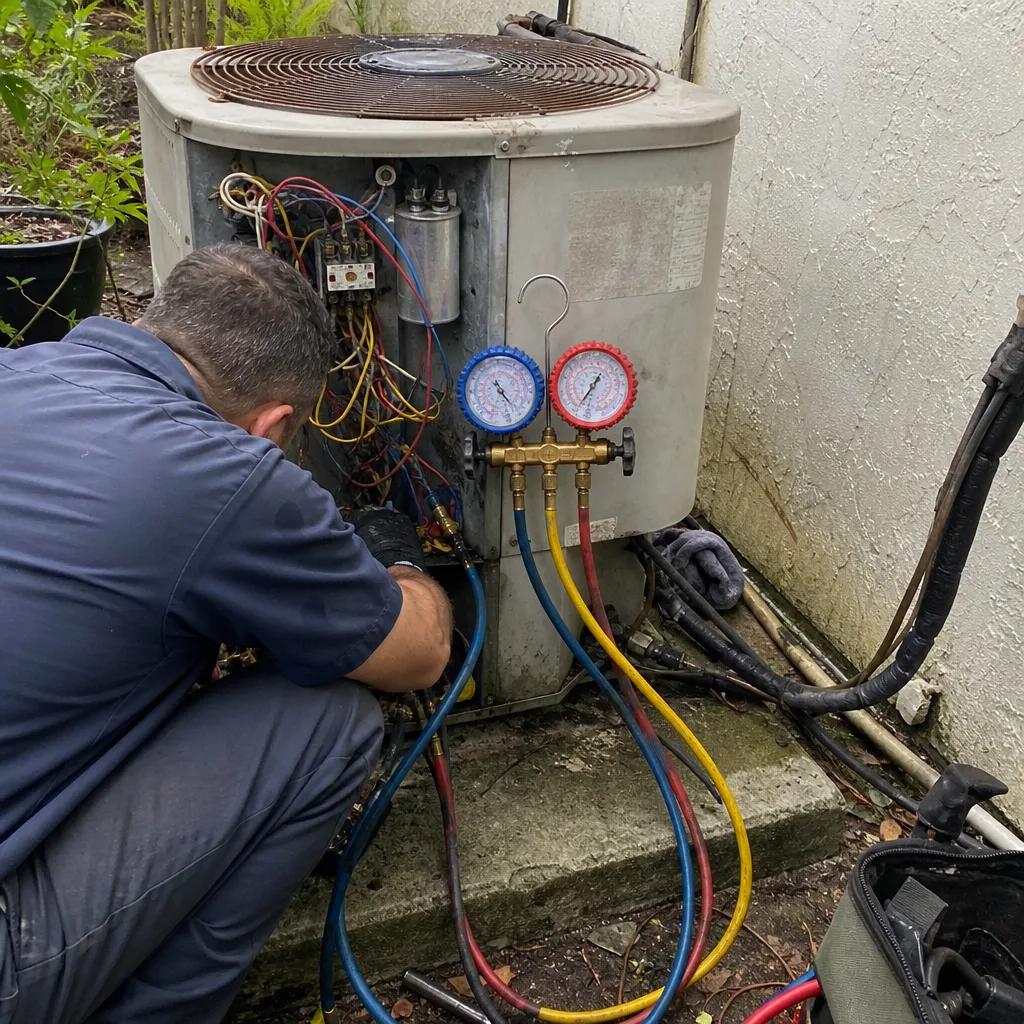 Before
 After
 Before
 After
 Before
 After
When to Call a Professional
Some situations need a technician, and recognizing them early saves money. Call a professional if you see frost or ice on the outdoor unit or refrigerant lines, if the condensate pan is overflowing or won’t drain, if the system short cycles repeatedly, if you hear grinding or rattling from the outdoor unit, if airflow from your vents is weak across the house, or if a musty smell won’t go away after a filter change. Electrical issues, refrigerant problems, and anything involving the sealed system always belong with a licensed technician, and so does any heating problem you can’t resolve with the thermostat. If a problem shows up late, we answer 24/7 and book work into the next opening, Sunday through Friday, 7am to 7pm. Ambassador AC Repair offers free estimates in Lakeland, so call (855) 528-6110 to get an honest read on what your system actually needs.
Frequently Asked Questions
Most Lakeland homes should change a standard 1-inch filter every 30 to 45 days during the cooling season, not the 90 days a national rule of thumb suggests. The long cooling season, long pollen, pets, and sandy soil all load a filter faster here. Check it monthly and replace it when you can’t see light through it.
Your condensate drain clogs faster in Lakeland because the region’s sustained humidity sends a constant flow of water through the line, and constant moisture speeds up algae and mineral buildup inside the pipe. Flushing it monthly during the cooling season and checking the pan for standing water is the best prevention. If it’s already backing up, call a technician to clear it and check the float switch.
Yes, you can safely look for frost on the insulated lines and the indoor coil, and noticing it is genuinely useful. Fixing the cause is not a DIY job, because refrigerant work requires a licensed technician and the right equipment. If you see frost, turn the system off and call a professional.
Yes, and March is the right month for it. A pre-summer inspection catches small issues before the cooling season stresses the system, and it lets any parts or repairs get handled before scheduling tightens in summer. It also gives you documentation for warranty purposes. Call (855) 528-6110 to schedule a free estimate.
Keep filter change dates, professional service invoices, your equipment model and serial numbers, the installation date, and your warranty terms, and confirm the system was registered if the manufacturer requires it. Most brands, whether it’s a Lennox, Goodman, Rheem, or York, ask for maintenance records during a claim, so a simple file protects you.
That depends on the age of the system, how often it’s failing, and the cost of the repair versus replacement. A single repairable fault on a reasonably aged system usually favors repair; repeated failures on an older unit often favor replacement. Get an honest diagnosis before you decide. Ambassador AC Repair gives straight answers on what your system actually needs, and we handle both AC repair and AC installation. Call (855) 528-6110 for a free estimate.
The Bottom Line
Effective AC maintenance in Lakeland is less about doing more and more about doing the right tasks on Central Florida’s schedule. Flush the condensate drain monthly through the cooling season, change filters every 30 to 45 days if your home has pets or dusty surroundings, schedule the big professional inspection in March rather than May, and keep records that protect your warranty across any brand. Run the heat briefly before the mild winter, clear the outdoor unit regularly, and leave refrigerant and electrical work to a licensed technician. Do those things consistently and you’ll catch most problems while they’re still small and cheap.
If you’d rather have a trained eye confirm everything is in order, or you’ve spotted something that needs attention, call Ambassador AC Repair at (855) 528-6110 for a free estimate. We answer 24/7, and our specialists work on nine major brands, from Carrier and Trane to Daikin and American Standard, so you never have to wonder whether we know your equipment. Cooling and heating, handled.
Written by the team at Ambassador AC Repair.