
Last updated November 14, 2026
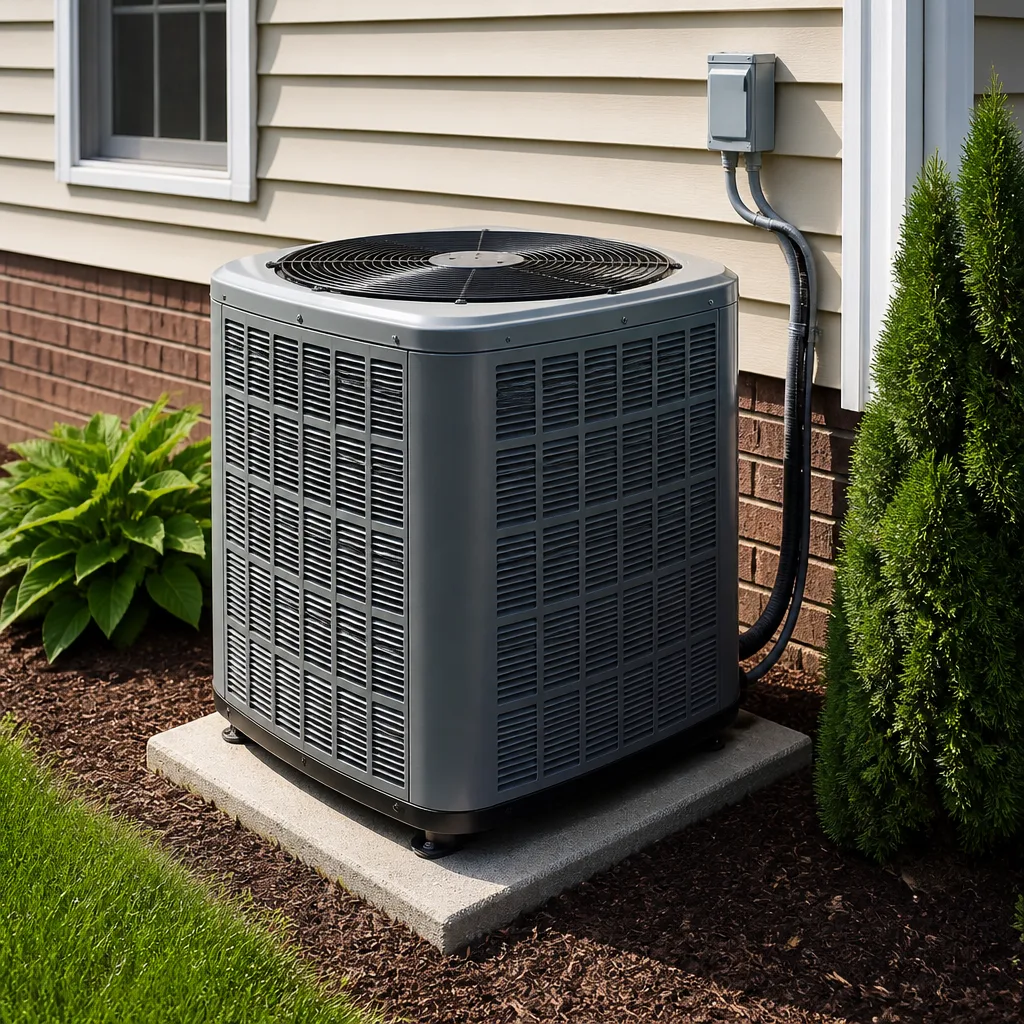 AC repair
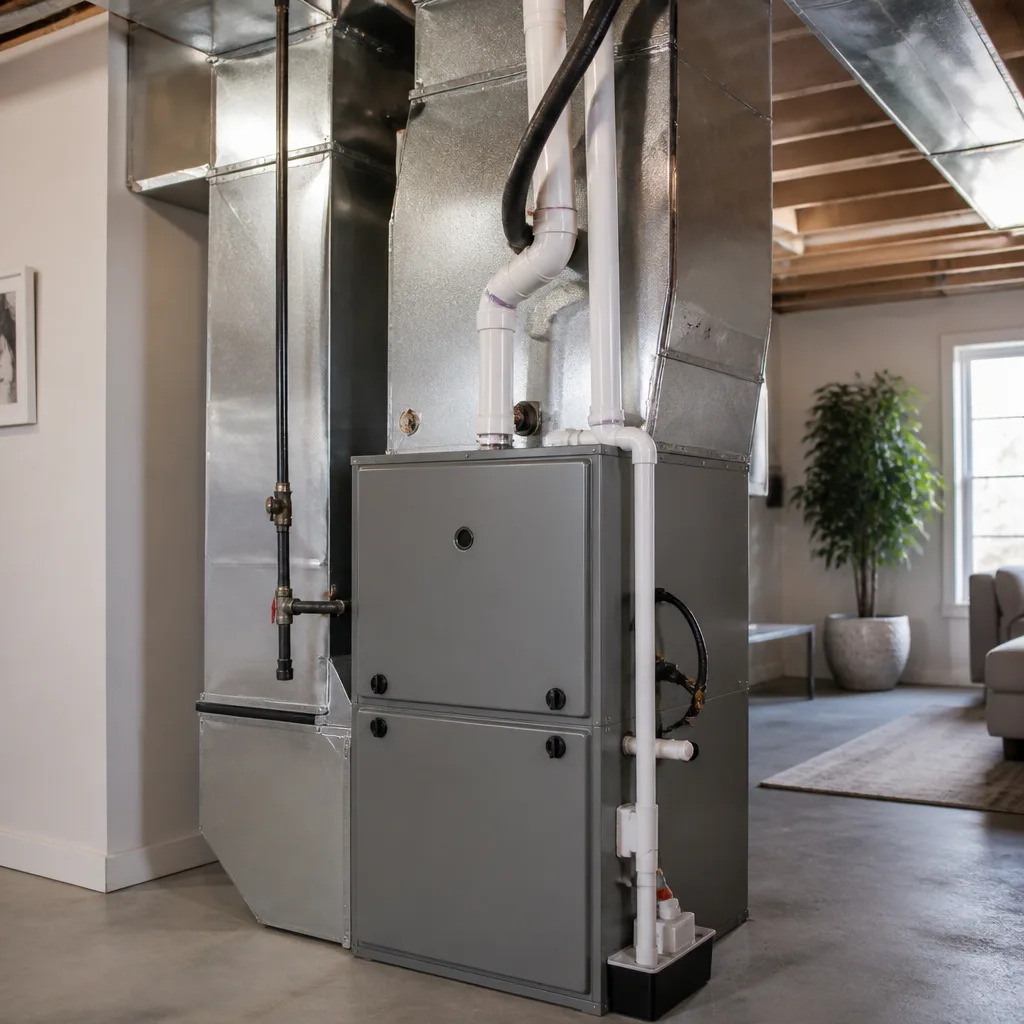 Furnace & heating
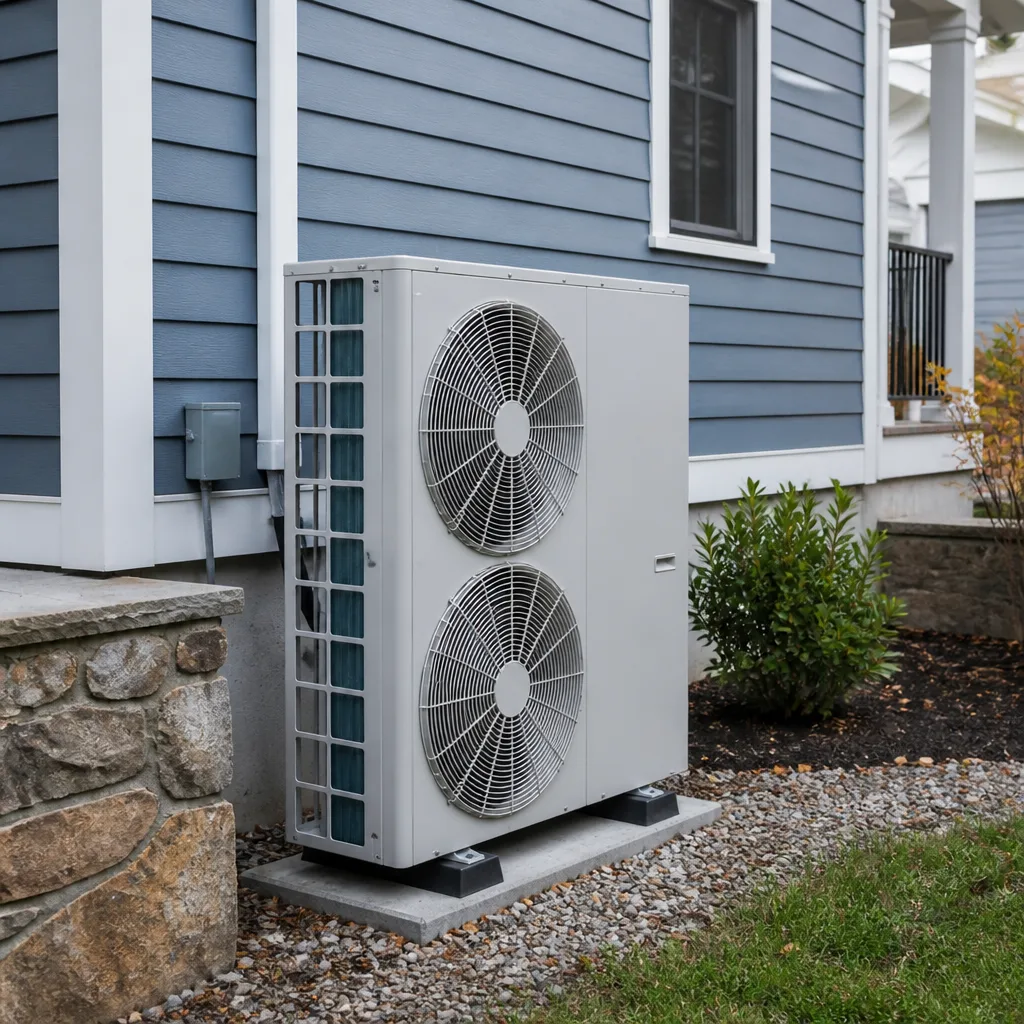 Heat pumps
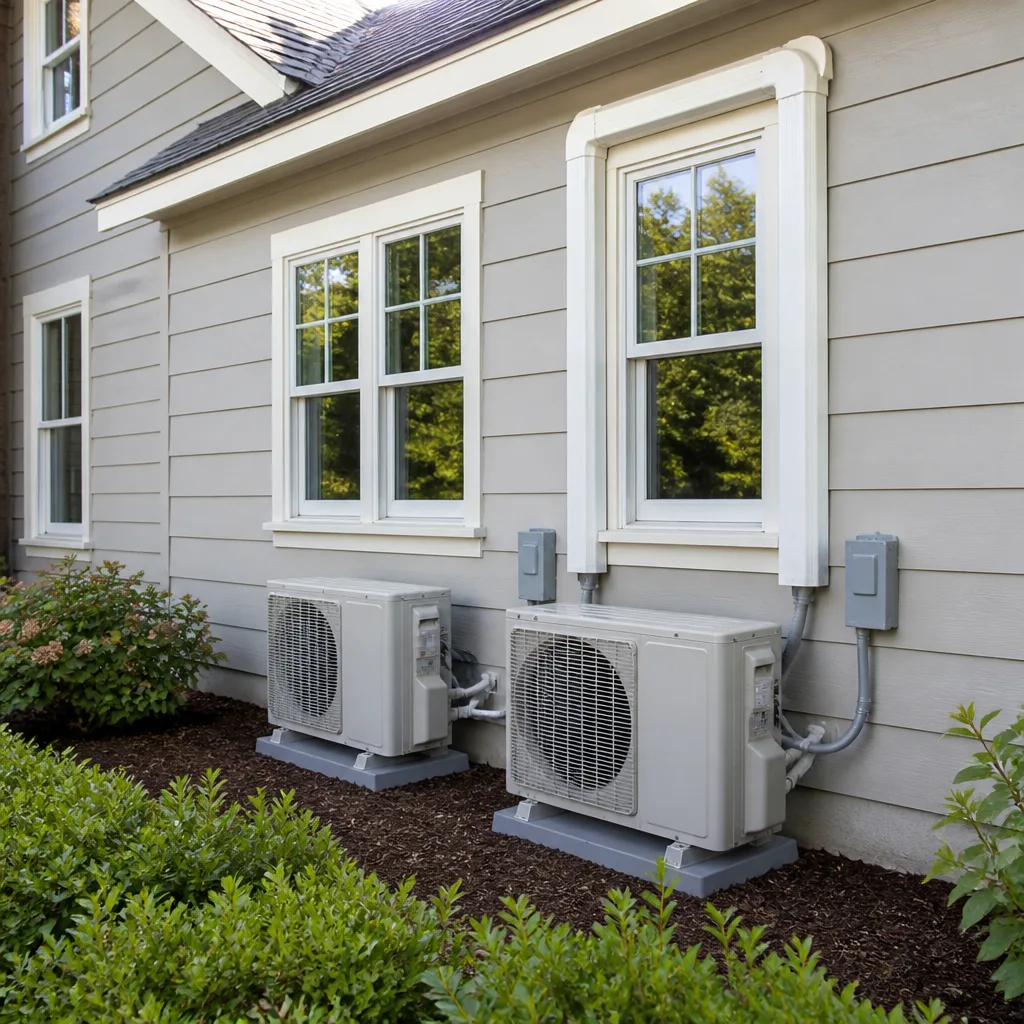 Ductless mini splits
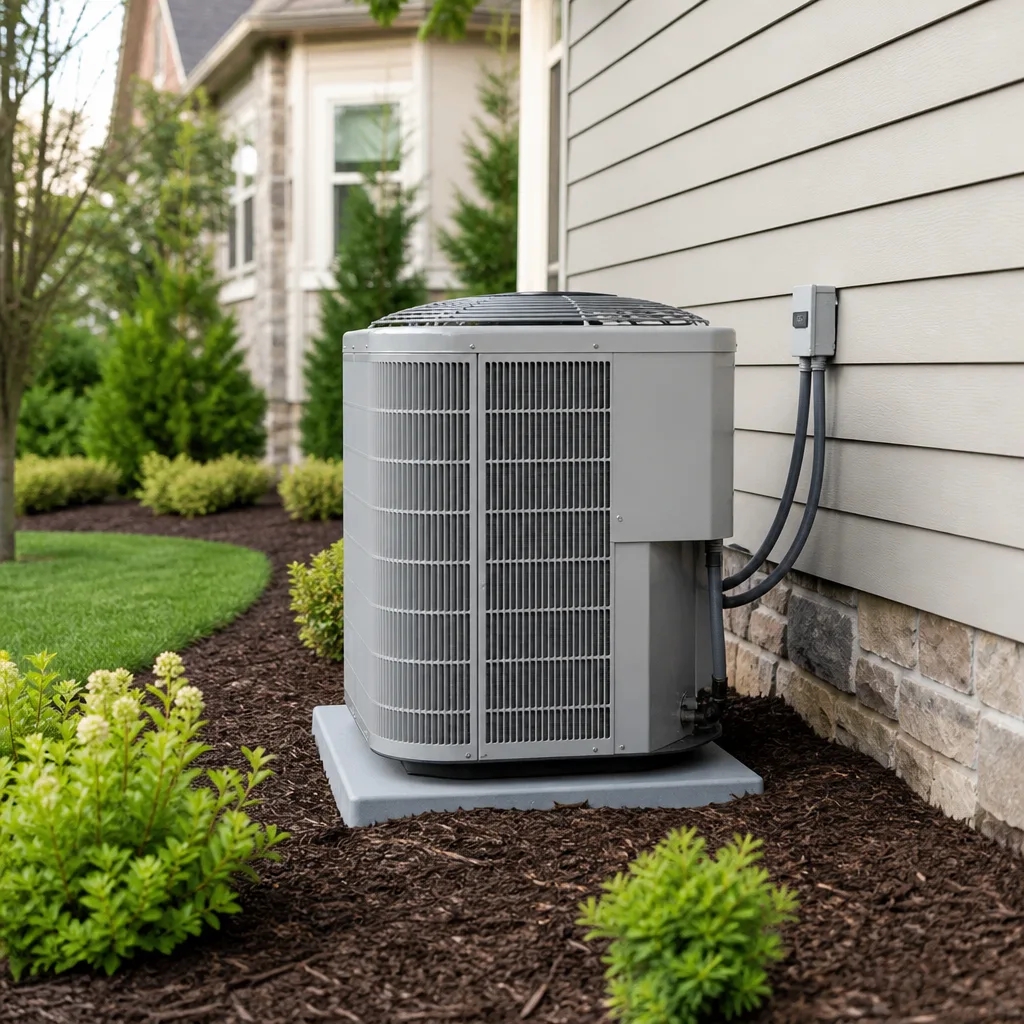 Carrier
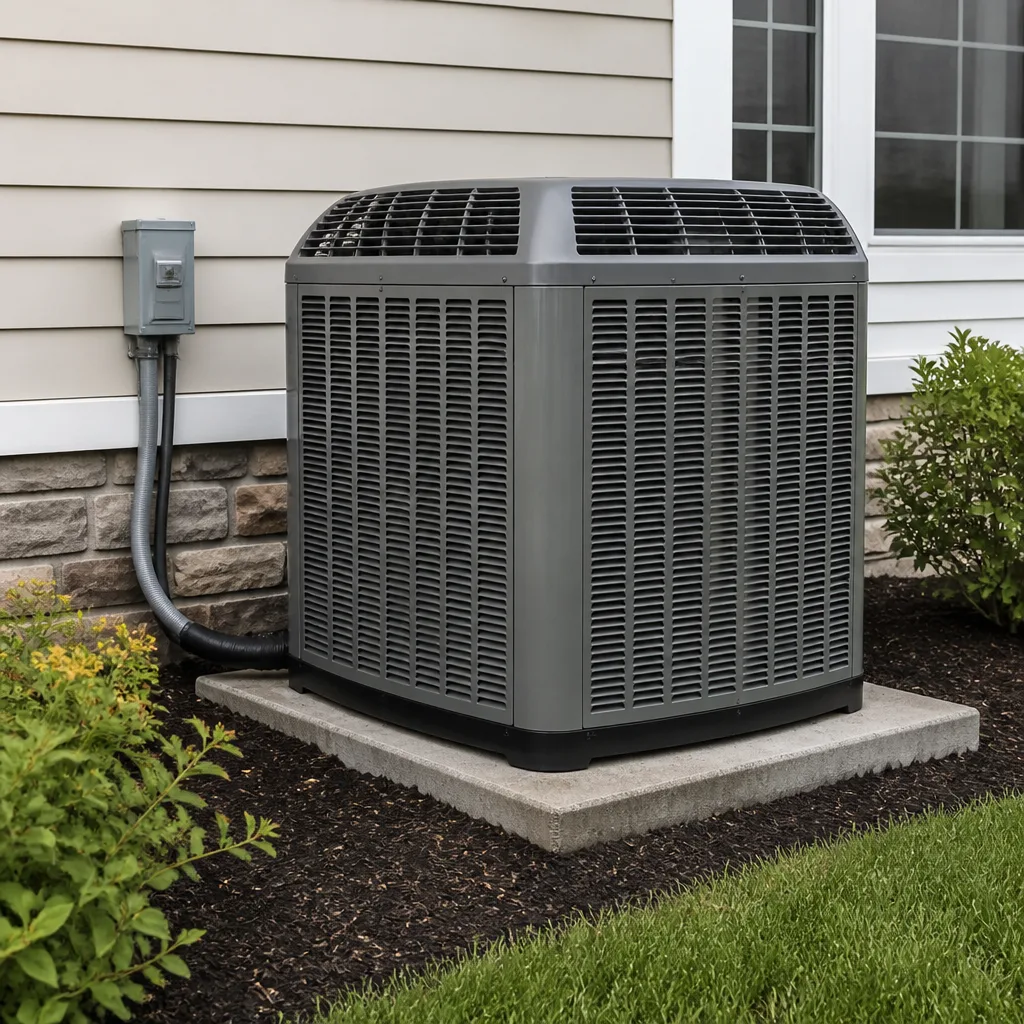 Trane
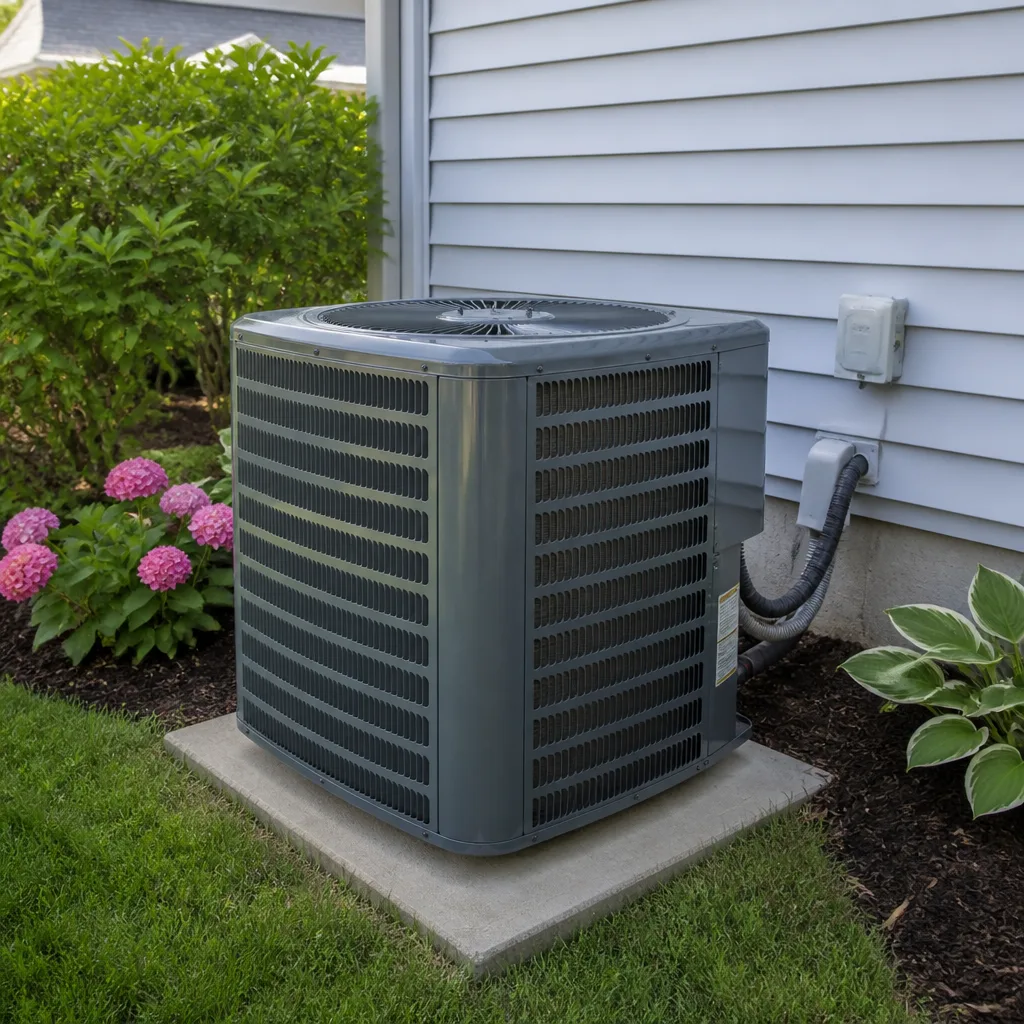 Goodman
Seasonal tune-up and full diagnostic on your Carrier, Trane, or Goodman system - readings shown to you before any repair is proposed
Diagnosis first, numbers second - you approve the repair price before a single part goes in.
Get your free estimateHVAC Emergency Preparedness Guide for Lakeland Homes
Most homeowners treat an HVAC breakdown like a power outage: an unlucky event, entirely out of their hands. In Lakeland, that assumption costs people real comfort every single year. The failures that hit hardest here arrive in clusters, right when everyone in the county is calling for help at once. Hurricane-season outages, the first hard cold front of January, a lightning strike that takes out a control board – these don’t just disable one system, they strain the whole local service market. The homeowner with a plan waits a day. The homeowner without one waits a week in 95°F indoor heat. This guide is that plan: pre-season inspections, surge protection, interim cooling tactics, dispatcher triage, and generator limits, written for Lakeland homes specifically.
Quick Answer
HVAC emergency preparedness in Lakeland means doing the work before the crisis: a pre-June 1 cooling inspection, a pre-January heating check, whole-home or dedicated surge protection, a written interim cooling plan, a triage-ready information sheet for dispatchers, and a realistic understanding of what a portable generator can and cannot run. Homes with this plan restored comfort far faster during the last storm-season crunch than homes that called cold.
Styles & brands we work with
- AC repair
- Furnace & heating
- Heat pumps
- Ductless mini splits
- Carrier
- Trane
- Goodman
Table of Contents
- Why Lakeland’s HVAC Emergency Profile Is Different
- Pre-Season Inspection Checklist: Before June 1 and Before the January Cold Fronts
- Surge Protection for HVAC Equipment After a Florida Lightning Event
- Interim Heat Management: The Gap Between Breakdown and Repair
- What to Tell a Dispatcher to Get Faster Service
- Generator Compatibility With Your HVAC System
- Repair or Replace? Deciding Under Pressure
- Building a Year-Round Comfort Plan
Why Lakeland’s HVAC Emergency Profile Is Different
Lakeland sits in the middle of Central Florida’s heat-and-humidity belt, which means an air conditioner here is not an optional appliance. It runs nearly year-round, and when it stops during a storm-season heat wave, the indoor temperature climbs inside a single afternoon. That’s the first piece of the local profile: demand for AC repair spikes exactly when the weather is most punishing.
The second piece is timing. During the week after a major Central Florida storm system, HVAC service wait times in Lakeland can stretch to five to seven days. That’s not because technicians vanish. It’s because thousands of systems across Polk County stress at once, from power surges, storm debris, and the plain wear of continuous running. A repair that would normally fit into a 24-hour window when the schedule is calm can queue for a week when everyone calls the same morning.
The third piece is power. Florida’s lightning season and hurricane season overlap, and both bring voltage instability. A strike a mile away can send a surge down the lines into your home, and an air conditioner’s control board and compressor are among the most sensitive electronics in the house. We’ve seen as many storm-season HVAC calls that trace back to electrical damage as to mechanical failure.
Put those three together and the conclusion is simple: in Lakeland, HVAC preparedness is about timing, not luck. The homeowner who completes a June inspection in May, installs surge protection before the first storm, and keeps a generator plan is not just more comfortable. They’re first in line when the market tightens.
Pre-Season Inspection Checklist: Before June 1 and Before the January Cold Fronts
The single highest-return habit in Lakeland HVAC ownership is a pre-season inspection on both sides of the calendar. Our technicians have up to 9 years of experience, and the pattern they describe is consistent: the breakdowns that fill the schedule in late June are almost always the ones that could have been spotted in May.
Before June 1: Cooling Season Readiness
- Change the air filter. A clogged filter forces the blower to work harder and can freeze the evaporator coil. In Lakeland’s long cooling season, a filter that would last three months elsewhere often needs changing more frequently.
- Clear the condensate drain line. High humidity means high condensate volume. A slow drain line becomes a clogged one, and a clogged one shuts the system down on a safety float switch – or worse, overflows into the ceiling.
- Wash the outdoor condenser coil. Pollen, grass clippings and dust coat the fins across spring. A garden-hose rinse from the inside out, with the power off, keeps the system rejecting heat efficiently.
- Check refrigerant lines and insulation. Look for cracked suction-line insulation and any oily residue on fittings, which can hint at a leak. This is an inspection task, not a repair task – leave refrigerant work to a licensed technician.
- Test the thermostat and batteries. A dead thermostat during a heat wave looks exactly like a dead system. Confirm the display works and that the setpoint actually triggers cooling.
- Schedule a professional tune-up before demand spikes. Book it in April or May, when a technician can take their time and catch small issues before they become June emergencies.
Before January’s Cold Fronts
- Run the heat now, not on the first cold night. Turn the system to heat on a mild afternoon and confirm it warms within a reasonable time. A furnace that fails to ignite on a 40°F morning is far worse than one discovered on a 65°F afternoon.
- Check the outdoor unit’s defrost cycle if you have a heat pump. Heat pumps handle most of Lakeland’s winter, and a stuck defrost cycle can leave the coil iced and the house cold.
- Replace the filter again. The same filter rule applies, and a fresh one before heating season reduces strain.
- Inspect the flue and combustion area if you have a gas furnace. This is a safety inspection and belongs to a trained technician, not a homeowner with a flashlight. Carbon monoxide risk is real, and gas work should never be DIY.
- Confirm your emergency heat function is labeled clearly. Know which thermostat setting is emergency heat and which is normal heat pump operation, so you aren’t guessing at midnight.
Doing both checklists turns a system that fails in a crisis into one that usually makes it through the season. If you would rather hand the whole list to a technician, AC repair and heating diagnostics in Lakeland cover both seasons in one visit.
Surge Protection for HVAC Equipment After a Florida Lightning Event
If your air conditioner survives a storm season without electrical protection, it’s partly luck. Central Florida sees more lightning than almost anywhere in the country, and an HVAC system is wired to the same grid that carries those surges. Protection comes in two layers, and understanding what each one does is the key to choosing correctly.
Whole-Home Surge Protectors
A whole-home surge protector is installed at the electrical panel and protects every circuit in the house: HVAC, appliances, electronics. It’s the first line of defense. It absorbs the large surges that enter through the service lines, shunting the excess voltage to ground before it reaches your equipment. This is panel-level electrical work – a job for a licensed electrician, not a homeowner project.
Dedicated AC Surge Arrestors
A dedicated surge arrestor is installed at the disconnect box beside the outdoor condenser. It’s the second line, catching the residual surges that make it past the panel-level device and protecting the compressor contactor and control board specifically. Many manufactures and installers recommend both layers together, because the outdoor unit is often the most exposed and most expensive equipment on the property.
What These Devices Actually Protect Against
- Lightning-induced surges carried in on the power lines, which can spike voltage far above what a compressor or control board is rated for.
- Utility switching surges when power is restored after an outage. This is the one that catches people after storms: the lights come back on, the whole neighborhood’s equipment draws current at once, and voltages swing.
- Smaller, frequent spikes from normal grid activity that slowly degrade electronics over years.
What they don’t protect against is a direct strike to the house – no device does. The point is to protect against everything short of that. Get the panel-level device installed by a licensed electrician, and have your HVAC technician check the outdoor disconnect for an arrestor before storm season peaks. When a Lakeland home has a AC installation done, that’s the right moment to ask about adding a dedicated arrestor at the same time. If you’re weighing brands, the system type matters less than whether the install includes proper surge protection – York, Daikin, Bryant and American Standard equipment all benefit from it equally.
Interim Heat Management: The Gap Between Breakdown and Repair
The dangerous window in a Lakeland HVAC emergency isn’t the moment of failure. It’s the hours or days afterward, when the house heats up and vulnerable household members can’t simply wait it out. This is where the second part of the preparedness plan matters most.
Room Prioritization
When the central system is down, stop trying to cool the whole house and cool one room well. Choose the smallest, most insulated room, ideally one with a north-facing window and few sun-exposed walls. Close doors to uncooled rooms and block off the hallway openings with towels or blankets. The fewer cubic feet you’re cooling, the more effective a single portable unit becomes.
Portable Cooling Placement
- Place the portable unit near a window and vent the exhaust outside. A unit that dumps heat back into the room just recirculates warm, humid air.
- Point the cold air at the occupied zone, not the ceiling. Cold air falls, so a mid-height aim works best.
- Run ceiling fans in occupied rooms. Fan-driven air movement makes a room feel several degrees cooler without lowering the actual temperature.
- Keep blinds and curtains closed on sun-facing windows during the day. In Lakeland’s summer, an unshaded west window radiates serious heat by late afternoon.
- Close off the kitchen when cooking, and use the exhaust fan. Every avoided heat source helps in a small cooling zone.
Health Thresholds for Vulnerable Household Members
This is where homeowners need to be honest. Indoor temperatures above the low 80s are uncomfortable for most people, but the risk rises sharply for infants, elderly adults, and anyone with heart or respiratory conditions. Watch for confusion, dizziness, nausea, or a sudden stop in sweating in a hot room. If those signs appear, get the person to a cool place, open the windows, call for help if needed – and don’t wait for the HVAC repair to solve the problem. A cool room at a neighbor’s house or a hydrating break in a shaded space buys time. If the household includes anyone at health risk, treat the emergency as urgent the moment the system fails.
What to Tell a Dispatcher to Get Faster Service
The information you provide in the first three minutes of a call can cut hours off your wait. Dispatchers triage dozens of calls during a storm-season surge, and a clear, specific description helps the team prioritize your job correctly. Vague calls get booked later because nobody can tell whether you’re an emergency or a routine visit.
Here’s what helps:
- System type and brand. “Central AC, York” is more useful than “the air conditioning.” Knowing the manufacturer matters because different systems fail in different ways, and technicians arrive prepared.
- The symptom, precisely. “The outdoor unit hums but the fan doesn’t spin” tells a technician far more than “it’s not working.” Similarly, “the thermostat is blank” or “the fan blows warm air” narrows the diagnosis immediately.
- What you already checked. Confirmed thermostat batteries, confirmed breaker position, confirmed filter condition. This saves a technician the first ten minutes.
- When it started. A system that failed after a storm is a different call than one that slowed over several weeks.
- Which equipment you have. Heat pump or gas furnace. This matters for heating-season triage and for generator questions.
- Any safety signals. Gas smell, burning odor, smoke, or repeated breaker trips. Say these first; the call goes to the top of the queue.
What causes delays: describing the problem as “it just stopped,” asking the dispatcher to guess the repair cost, or leaving out the brand and system type. If you have the model number on the outdoor unit, read it out – it tells the technician the exact equipment they’re dealing with. Keep a note on the inside of your electrical panel or on the thermostat with your system details, so you’re not searching when the house is hot.
Generator Compatibility With Your HVAC System
After a storm knocks out power, the first instinct is to plug a portable generator into the house and run the air conditioner. In most cases, that’s a mistake. Understanding which systems can run on portable generator power – and what wattage is actually required – prevents burned-out compressors and overloaded generators, and it prevents trying something that simply won’t work.
What a Portable Generator Can Run
- No central AC or heat pump will run on a typical portable generator. A central compressor’s starting surge can be two to three times its running wattage, and even a small residential system often needs more wattage than a portable unit supplies. Attempting it can overload the generator or damage the compressor.
- Window units and portable ACs are generator-friendly. A small window unit or a portable room air conditioner typically draws a manageable load and can keep one or two rooms livable during an outage.
- Fans, lights, charging devices and a refrigerator round out a practical portable-generator load.
What Wattage Actually Requires
Run-wattage is not the number to plan around. Motor-driven appliances have a startup surge that can be several times their running draw, and a generator sized to the running wattage alone will trip or stall when the compressor kicks on. Check the nameplate on your equipment, and add the surge to the total load. If you want central air during an outage, that’s a whole-home standby generator conversation with a licensed electrician, not a portable unit. For a storm-season plan in Lakeland, the practical answer is: portable generator for one room plus essentials, and a standby system if central cooling matters to you.
What Not to Attempt
- Never back-feed the house by plugging a generator into a wall outlet. This is a fire and electrocution hazard to you and to utility workers, and it can damage your HVAC equipment permanently.
- Never run a generator indoors, in a garage, or in an attached carport. Carbon monoxide kills, and the symptoms look like summer heat exhaustion.
- Never power a central compressor on a generator without a qualified electrician confirming the sizing and connection.
- Never attempt to bypass a safety switch or manually hold a contactor closed to force the system to run. That’s how compressors are destroyed.
Repair or Replace? Deciding Under Pressure
In an emergency, the temptation is to say yes to whatever repair gets cold air moving fastest. But an emergency is also when a clear-headed replacement decision can save money over the long run. Here’s how to think about it when the house is hot and the schedule is crowded.
The first question is age and part cost. If the system is near the end of its typical service life, and the needed repair is a major component like a compressor, putting a large repair into an old system is often poor economics. The second question is refrigerant. If your system runs an older refrigerant type, future repairs can be difficult as supplies dwindle. The third question is efficiency. A system that squeaked through recent summers with high bills may be telling you it’s time. The fourth question is safety: repeated breaker trips, a burner with combustion issues, or a smell of gas should be assessed for replacement, not just repaired.
The honest answer during a breakdown is: sometimes repair, sometimes replace, and the decision should follow your system’s actual condition, not a sales target. That’s the standard we hold ourselves to at Ambassador AC Repair – we work on your system, not the one we wish you had. During a storm-season crunch, we’d rather you call now, get a straight diagnosis, and know exactly what you’re deciding than patch a failing system twice in one summer.
Building a Year-Round Comfort Plan
Lakeland doesn’t have a defined HVAC season. It has a long cooling season, a short heating season, and a shoulder period where a single hard cold front can arrive fast. A year-round plan that covers both cooling and heating, from one company, keeps the details straight and eliminates the “who is this other contractor” scramble during an emergency.
Here’s a simple annual rhythm:
- April – May: Cooling tune-up, filter change, drain-line clearing, condenser rinse, surge protection check. Do it before the June rush.
- June – October: Storm season. Keep up filter changes, watch the bill for efficiency drops, and keep the generator plan ready.
- November – December: Heating check, furnace flue and combustion inspection, filter change, thermostat review.
- January – February: Cold-front season. Confirm heat works before the first cold night, and repeat the filter.
- March: The quiet month. This is the best window to plan a replacement, because both cooling and heating work can be scheduled without a weather deadline hanging over the job.
Keeping one company for both seasons also helps with unfamiliar equipment. We handle Carrier, Trane, Lennox, Goodman, Rheem, York, Daikin, Bryant and American Standard systems, and technicians learn what each brand tends to do when it fails. That knowledge shows up as faster diagnosis, not as a sales pitch. In our experience, homeowners who stay with one team for both cooling and heating get better continuity in the emergency calls, because the technician already knows the layout of the house and the history of the equipment.
Common Mistakes to Avoid
- Waiting for the first heat wave to test the AC. In Lakeland, that means testing it on a 95°F afternoon two days after every neighbor has done the same thing. Test in spring, when scheduling is open.
- Skipping the filter in the summer. A single overlooked filter change in high humidity can freeze a coil or trip a drain float. The emergency often traces back to a ten-dollar part.
- Firing up the central AC on a portable generator. It won’t work, and it can damage the compressor or the generator. Size the load first, or use window units.
- Calling the dispatcher with “it’s not working.” A vague description comes last in the triage queue, even when the homeowner is genuinely uncomfortable. Details get help.
- Ignoring storm-season surge protection. A system that survives lightning season unprotected is a system that got lucky. Both the panel device and the outdoor arrestor are modest additions compared to a compressor or control board.
- Patching a failing system twice in one season. If the same component has failed twice since June, replacement is usually the better decision. Chasing repairs in a peak-demand window costs more in labor and lost comfort.
- Not planning for vulnerable household members. A home with an infant, an elderly adult, or someone with a heart condition should treat a cooling failure as urgent from the first hour, not the first day. Have a cool-room plan ready.
See the difference
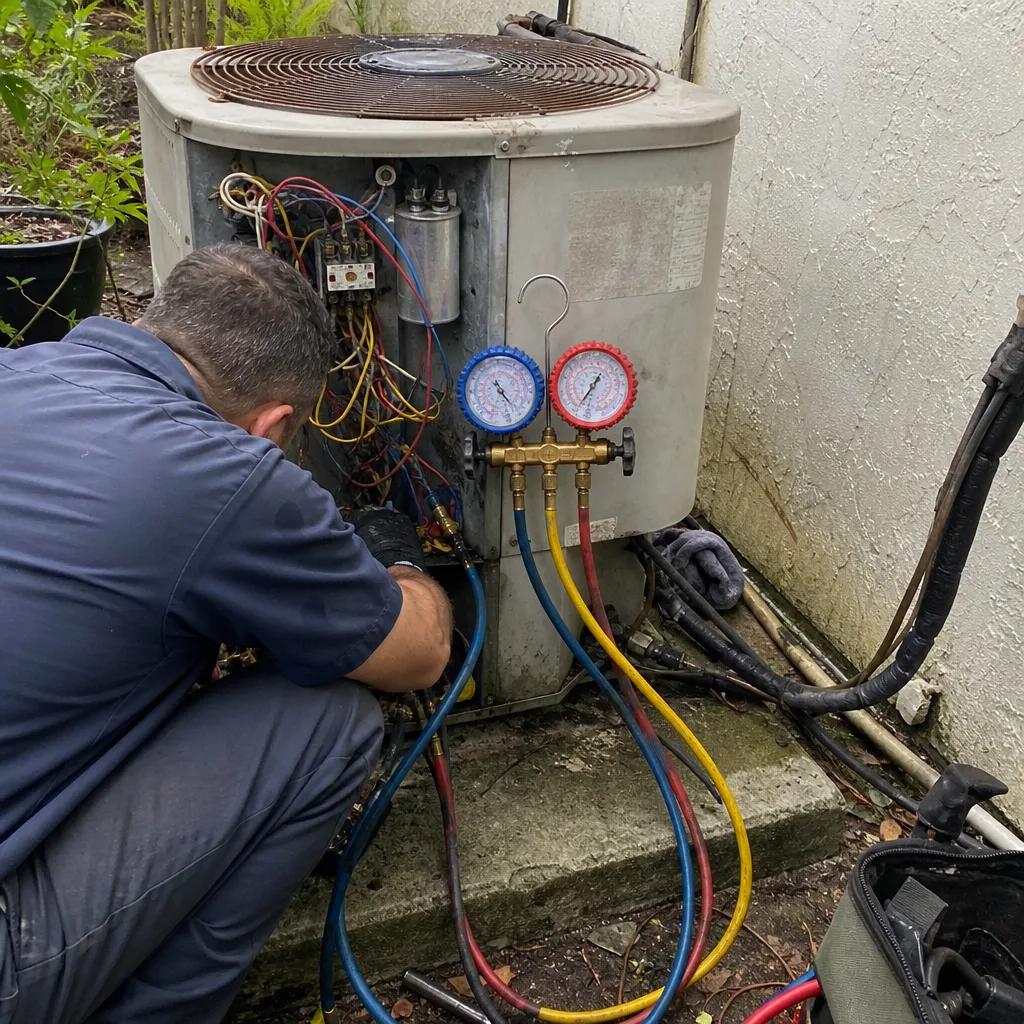 Before
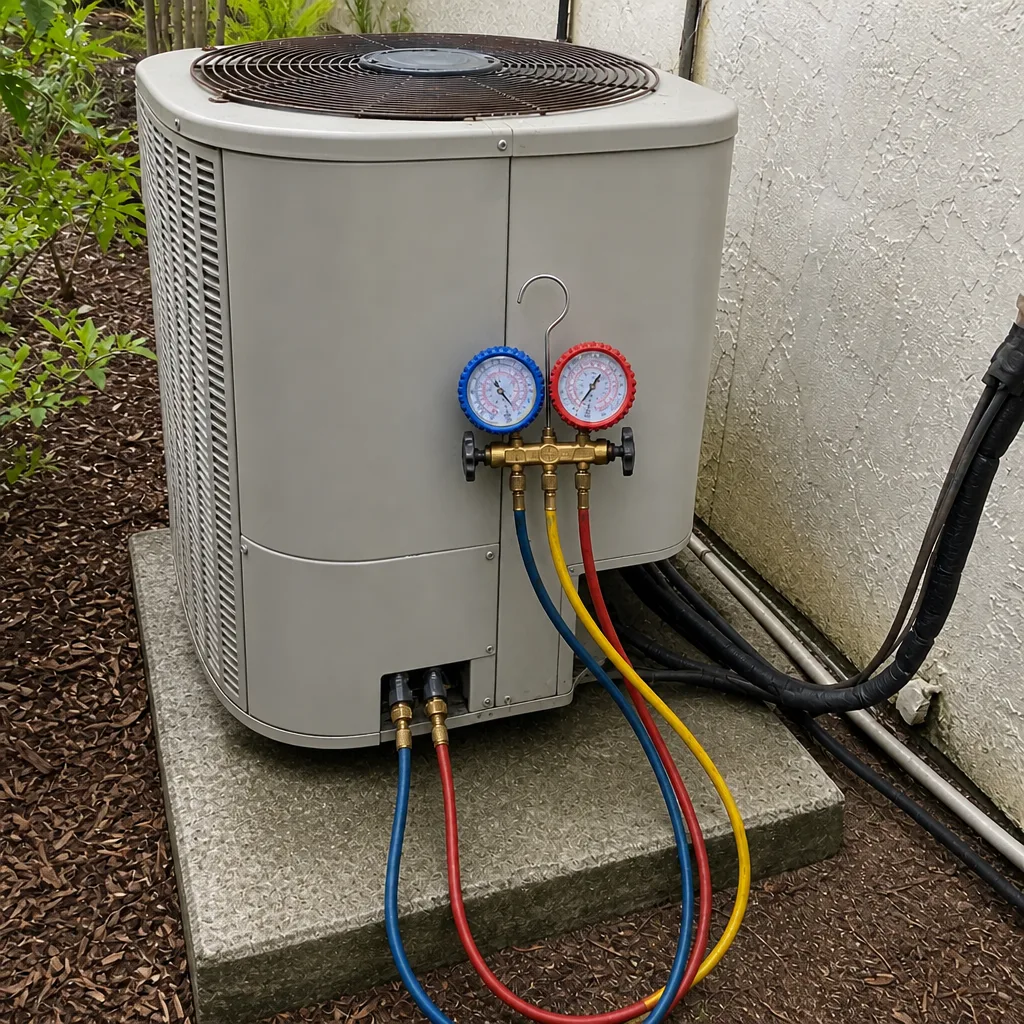 After
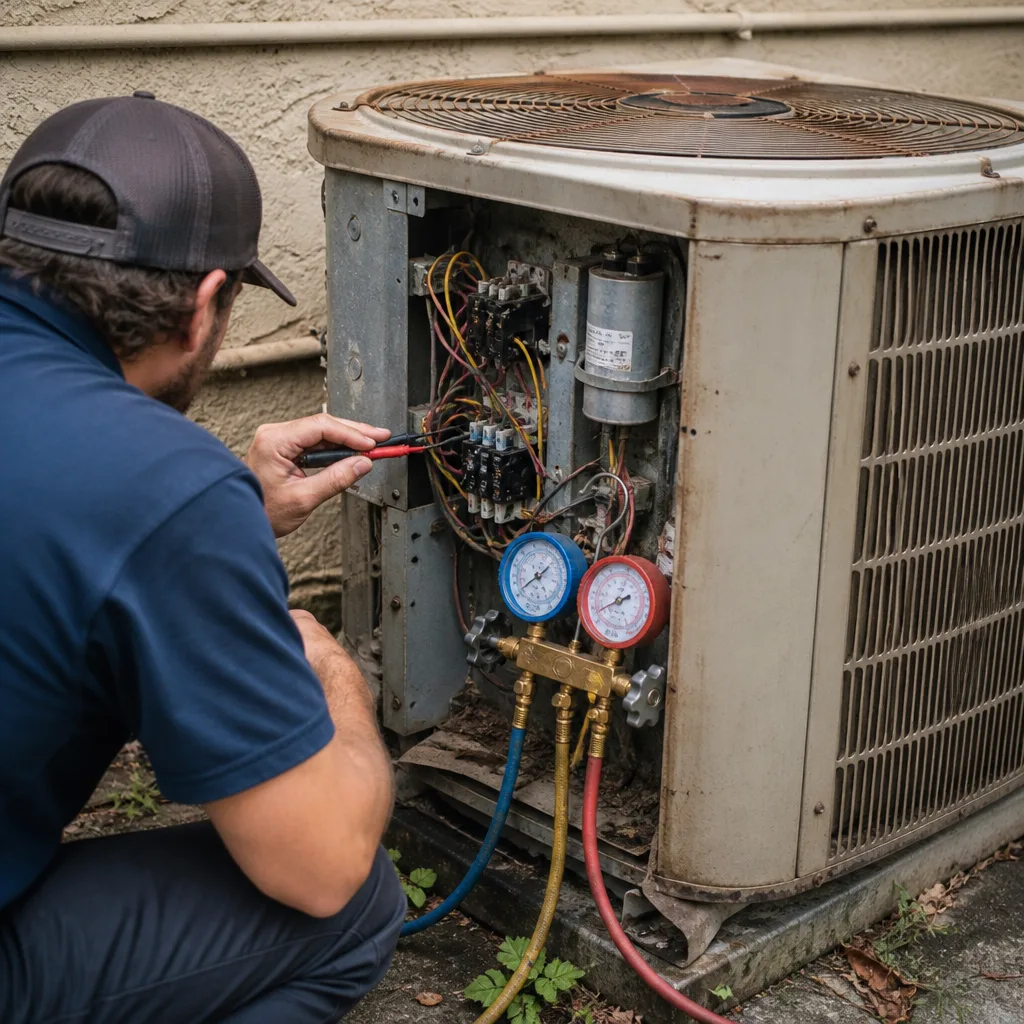 Before
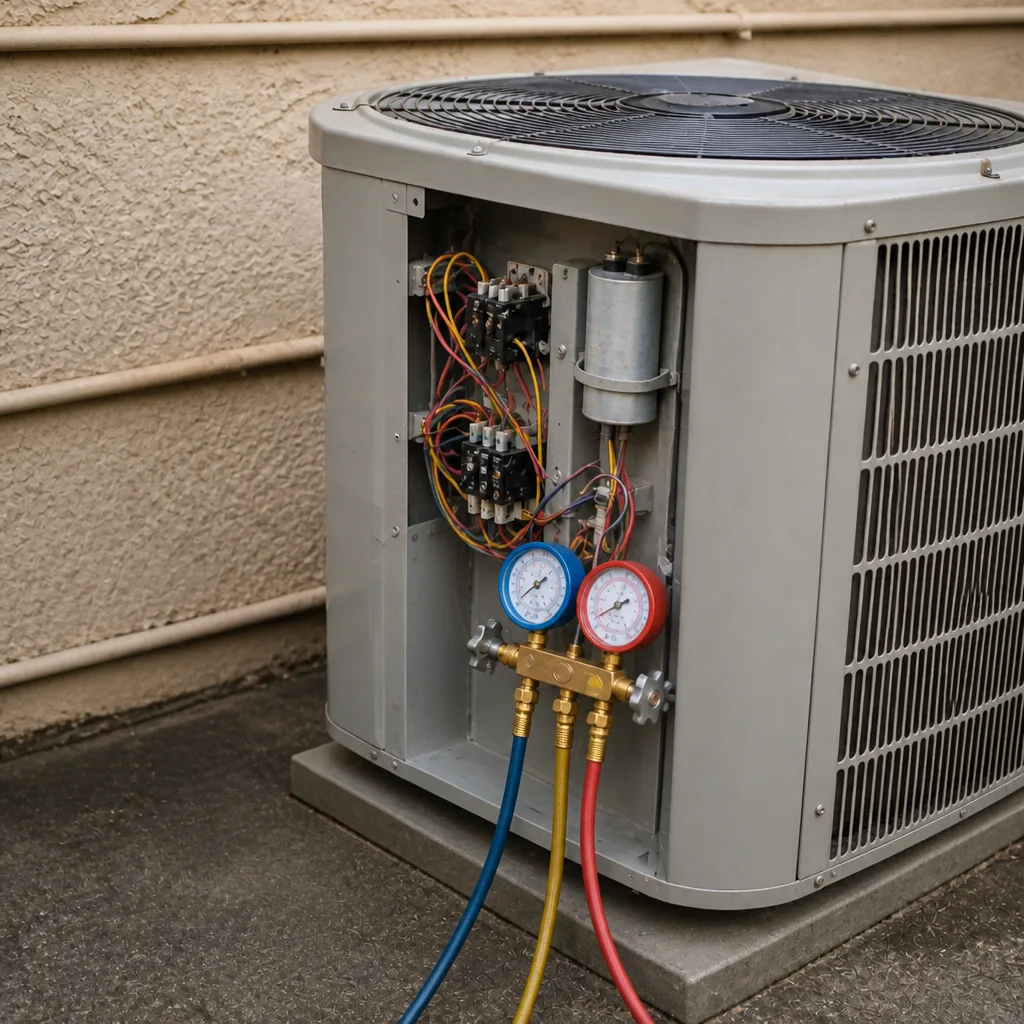 After
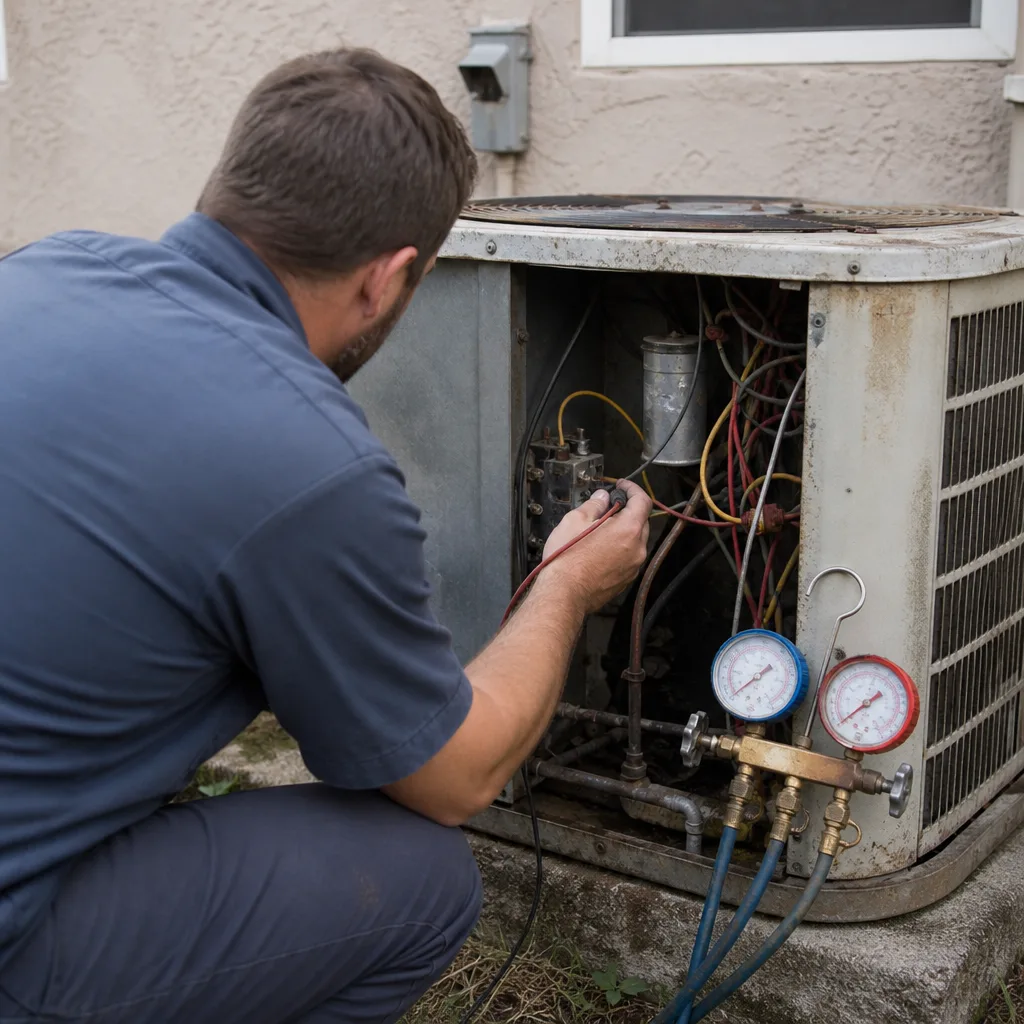 Before
 After
When to Call a Professional
Some HVAC symptoms are cosmetic. Others are emergencies. Call a professional when the system stops cooling and the outdoor unit is humming but the fan is still, when the thermostat is blank after a fresh battery, when you smell gas or see smoke, or when the breaker trips more than once. Call urgently if the household includes an infant, an elderly adult, or anyone with a respiratory or heart condition. If the system is running but the electric bill has climbed without explanation, that’s a diagnostic call – not an emergency, but worth scheduling before it becomes one.
Ambassador AC Repair offers free estimates in Lakeland – call (855) 528-6110. Our technicians have up to 9 years of experience with the brands you actually own, and we handle cooling and heating under one roof. We answer 24/7. Fast dispatch from 7am to 7pm, Sunday through Friday.
Frequently Asked Questions
During the week after a major Central Florida storm system, wait times in Lakeland can stretch to five to seven days because demand across the county spikes at once. The homeowner who prepared ahead – with a pre-season inspection, surge protection, and a way to keep one room cool during the outage – is usually far more comfortable during that wait. For an exact schedule, call (855) 528-6110. We answer 24/7, and fast dispatch runs from 7am to 7pm, Sunday through Friday.
In most cases, no. A central air compressor’s starting surge can be two to three times its running wattage, which exceeds the capacity of a typical portable generator and can damage the compressor. Window units and portable room ACs are the practical generator-compatible option. Call (855) 528-6110 for a free estimate if you want a technician to review your system’s actual draw.
Check the thermostat batteries, the air filter, and the breaker before calling. If those are fine and the outdoor unit is humming or the house is climbing toward the low 80s, call for service and describe the symptom precisely. If anyone in the home is at health risk, treat it as urgent from the first hour. Call (855) 528-6110. We answer 24/7. Fast dispatch from 7am to 7pm, Sunday through Friday.
Yes – both a whole-home surge protector at the panel and a dedicated arrestor at the AC disconnect reduce the risk of control board and compressor damage from lightning-induced surges and power-restoration spikes. Neither stops a direct strike, but together they protect against the vast majority of real-world electrical events in Central Florida. Call (855) 528-6110 for a free estimate on having your system inspected before storm season.
A heat pump normally runs a short defrost cycle in cold weather, but a coil that stays iced over is a real fault. In Lakeland’s short winter, a stuck defrost cycle can leave the house cold and stress the compressor. A light frost at the end of a run is normal; a solid block of ice is not. Call (855) 528-6110 for a free estimate on diagnosing the defrost cycle.
It depends on the age of the system, the cost of the failed component, and whether the system was already struggling before the storm. A major repair on an aging system is usually money poorly spent; a smaller repair on a healthy system often makes sense. We’ll give you a straight diagnosis and honest options either way. Call (855) 528-6110 for a free estimate. We answer 24/7. Fast dispatch from 7am to 7pm, Sunday through Friday.
The Bottom Line
The homes that get through Lakeland’s storm season and cold fronts best aren’t the ones with the newest equipment. They’re the ones that planned before the crisis. Complete the pre-June 1 cooling checklist and the pre-January heating check. Add whole-home and dedicated AC surge protection before the first storm. Keep a cool-room plan ready for vulnerable household members, with a realistic understanding of what a portable generator can and cannot run. And when something does fail, call prepared, with your system details in hand, so a technician can triage your call quickly. That’s the whole plan, and it works because it’s built for how storms and heat actually arrive in Central Florida. If you’d like a technician to walk through the checklist with you, we cover every cooling and heating brand your home is likely to have.
Call (855) 528-6110 for a free estimate. We answer 24/7. Fast dispatch from 7am to 7pm, Sunday through Friday. Free estimates, and the written estimate sets the final price.
Written by the team at Ambassador AC Repair.