
Last updated November 14, 2026
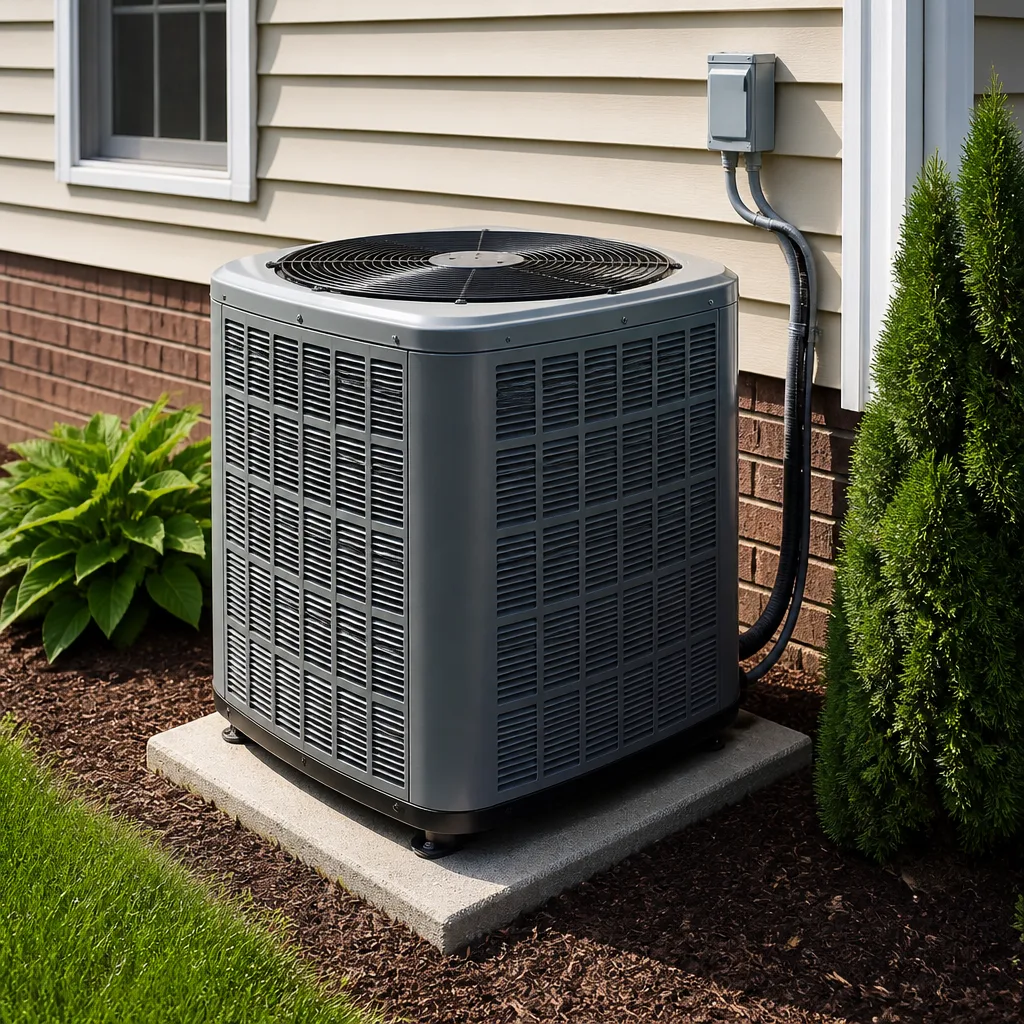 AC repair
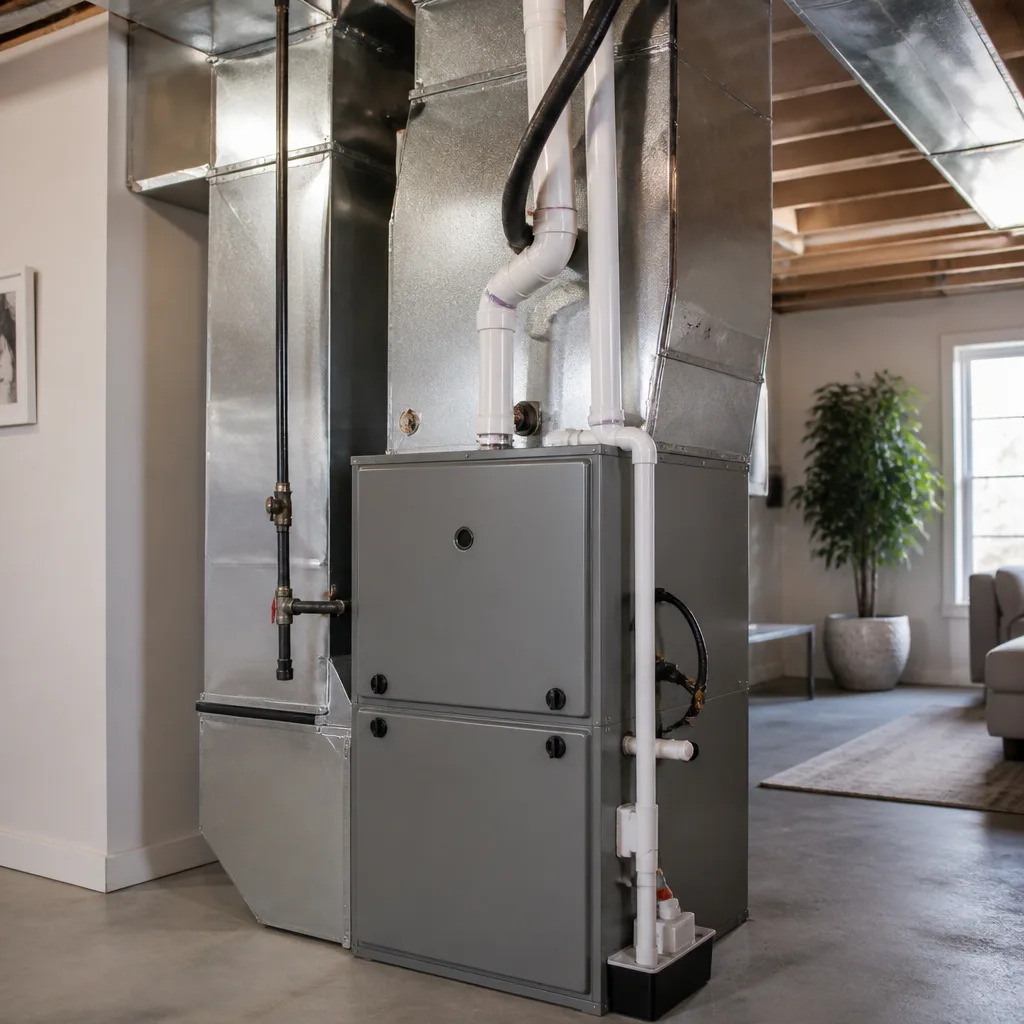 Furnace & heating
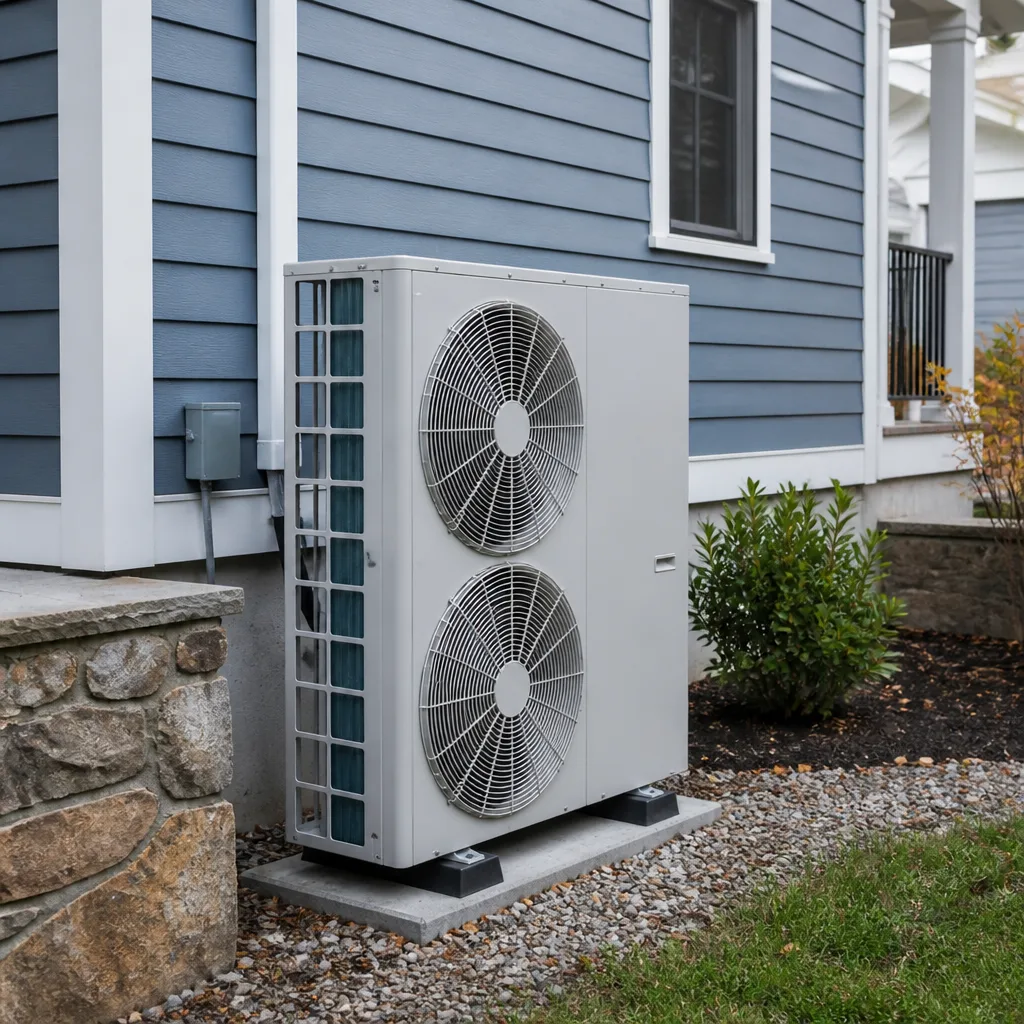 Heat pumps
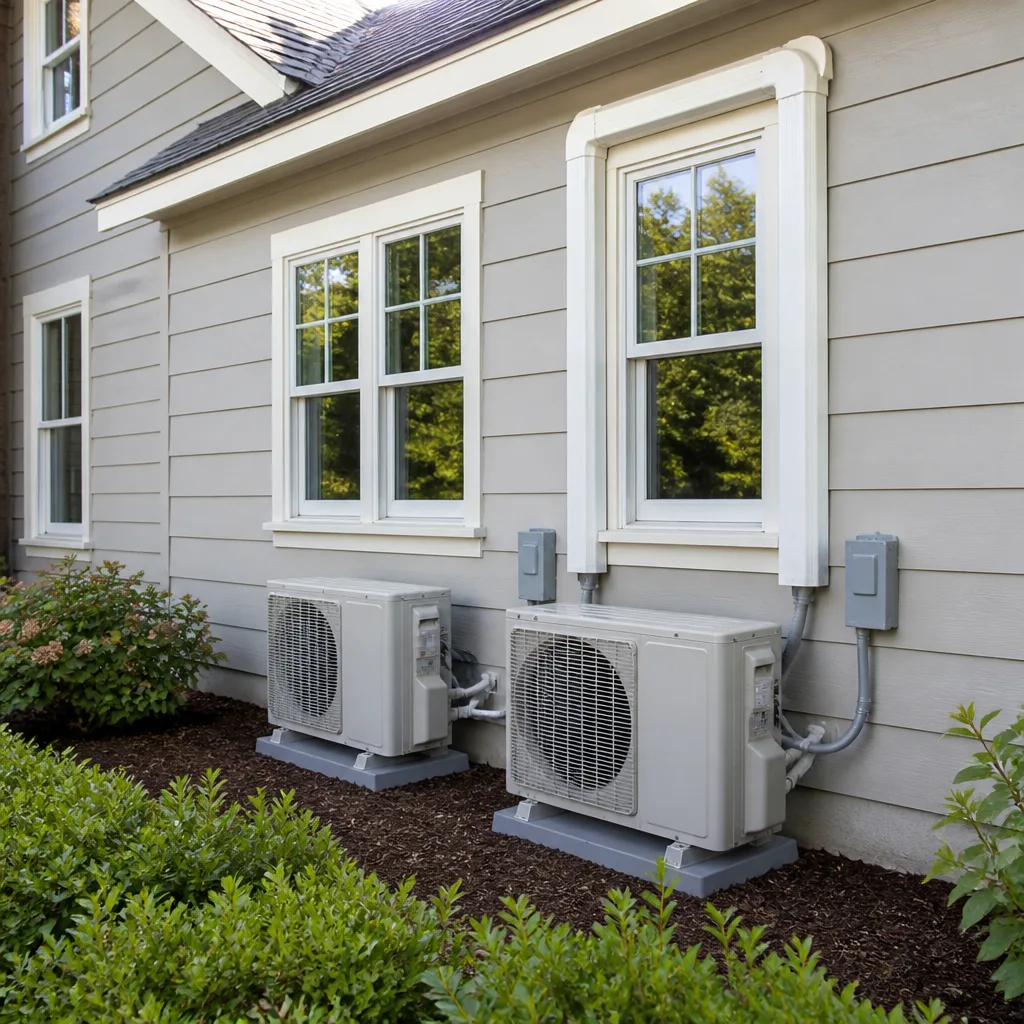 Ductless mini splits
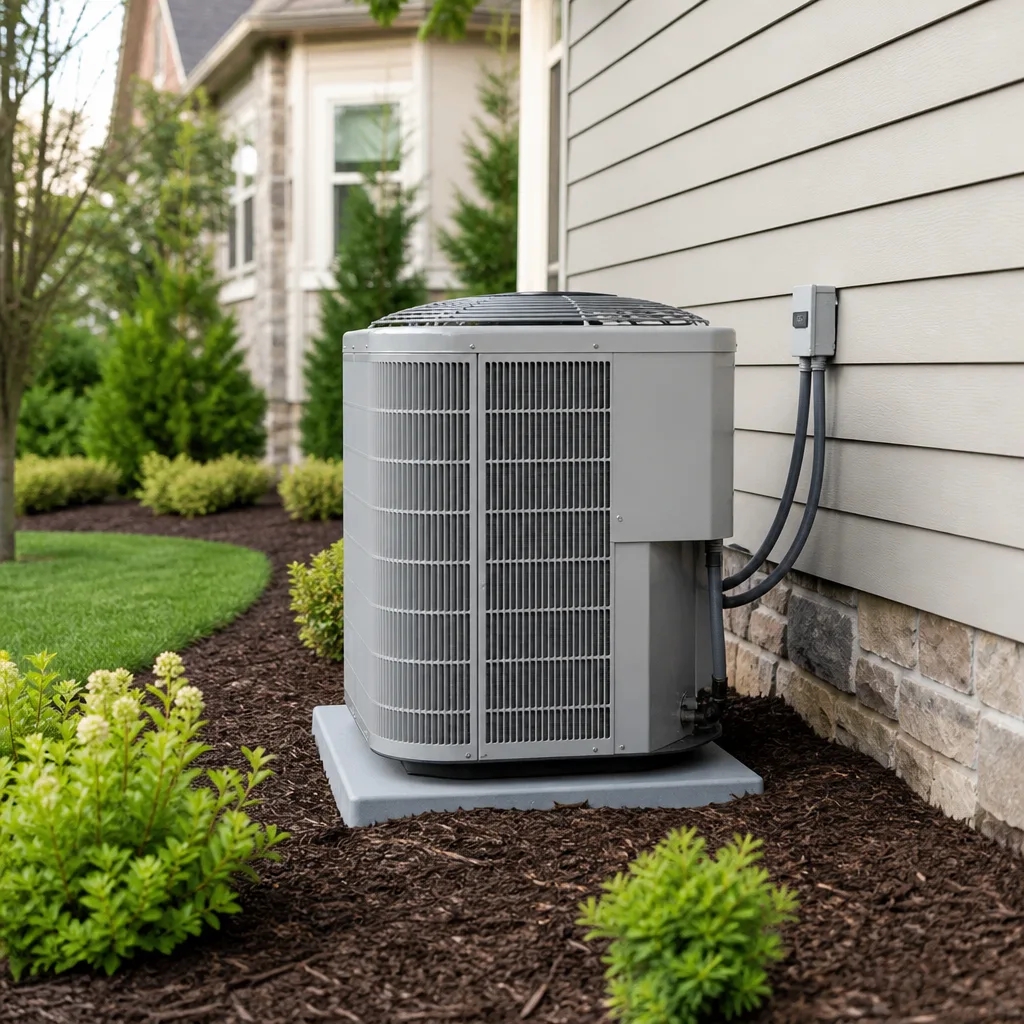 Carrier
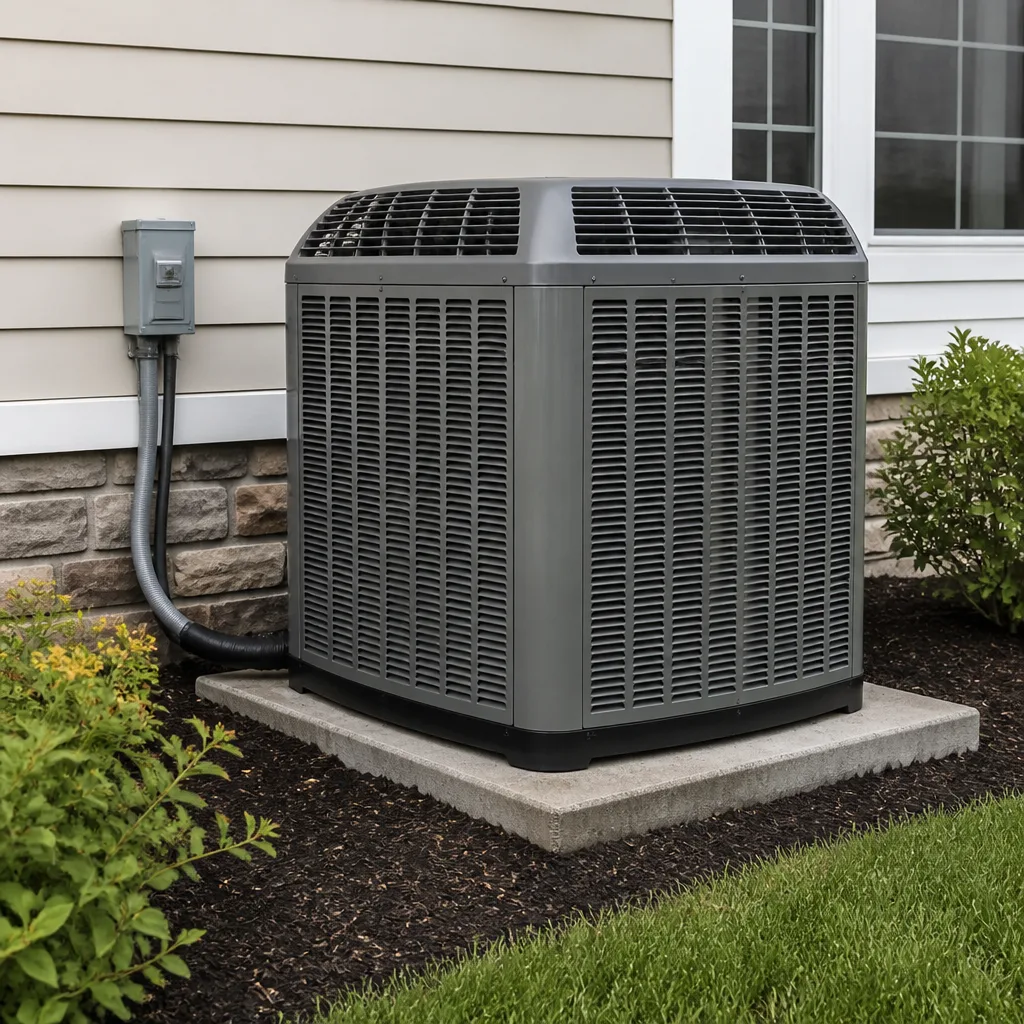 Trane
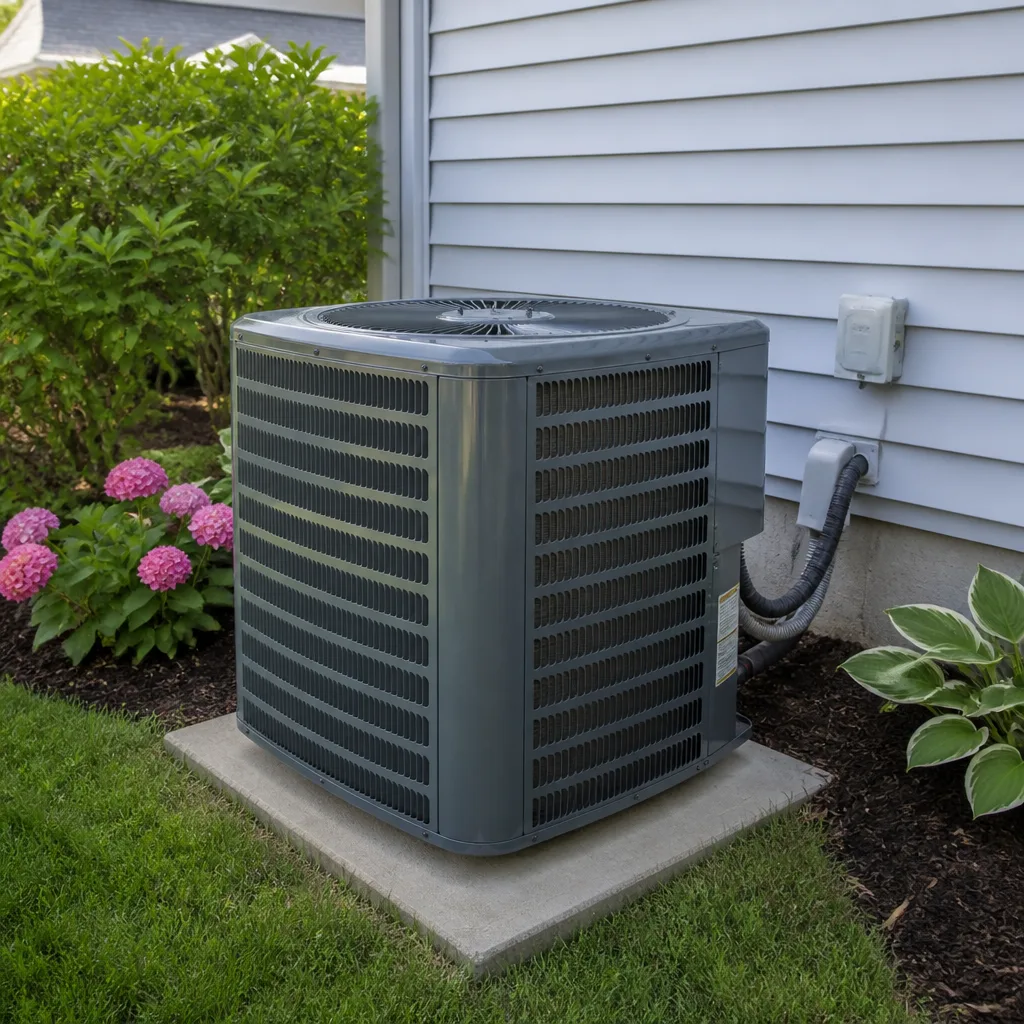 Goodman
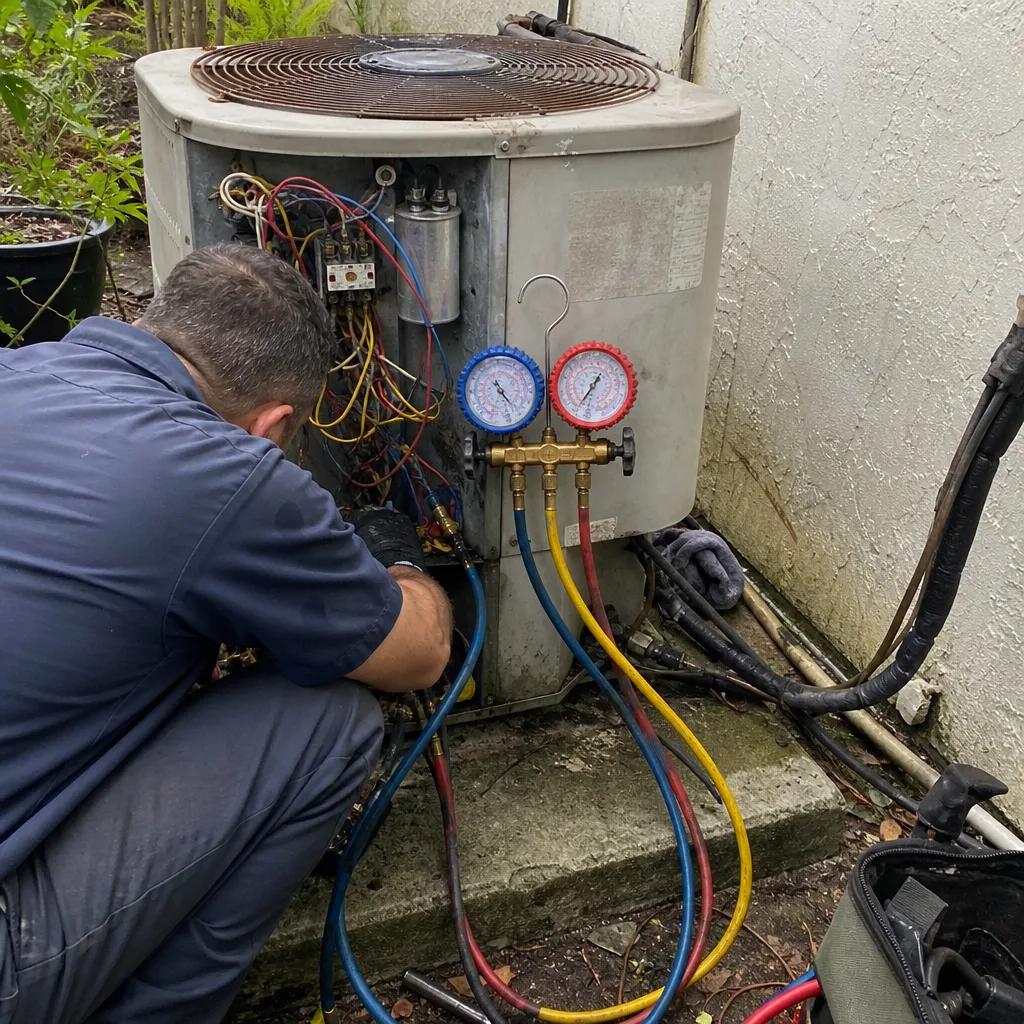
Seasonal tune-up and full diagnostic on your Carrier, Trane, or Goodman system - readings shown to you before any repair is proposed
Diagnosis first, numbers second - you approve the repair price before a single part goes in.
Get your free estimateHVAC Permits, Codes & Inspections in Lakeland, FL: What You Need to Know
If a contractor in Polk County tells you a replacement unit “doesn’t need a permit,” that’s usually a Florida Building Code violation, not a favor. The permit system exists to make sure the equipment, the wiring, and the refrigerant work are all inspected before they disappear behind drywall and ductwork. When that step gets skipped, the paperwork problem lands on the homeowner at the worst possible moment: the title search, the insurance claim, or the inspection after a storm. In this guide we’ll walk through exactly which jobs trigger a permit in Lakeland, how city and county jurisdictions differ, what the Florida Energy Code asks of new equipment, and how to confirm a permit was properly closed out. It’s written for homeowners who want the job done right the first time.
Quick Answer
In Lakeland and the rest of Polk County, a full HVAC replacement, any job that involves refrigerant handling, and new duct runs all require a permit and an inspection before the work is legal. Simple swaps like a thermostat, an air filter, or a contactor generally don’t. The address determines the jurisdiction: properties inside the City of Lakeland go through city permitting, and properties in unincorporated Polk County go through the county. Always confirm the permit is closed out after inspection, because an open or expired permit follows the property, not the contractor.
Styles & brands we work with
- AC repair
- Furnace & heating
- Heat pumps
- Ductless mini splits
- Carrier
- Trane
- Goodman
Table of Contents
- Which HVAC Jobs Require a Permit in Lakeland?
- City of Lakeland vs. Unincorporated Polk County: Which Jurisdiction Applies?
- Florida Energy Code and SEER2: What New Equipment Must Meet
- What the Inspection Process Actually Looks Like
- The Home Sale Problem: Unpermitted HVAC Work at Title Search
- How to Confirm a Permit Was Properly Closed Out
- Why Unpermitted Work Can Affect Insurance Coverage
- How to Check Your Contractor Before Work Starts
Which HVAC Jobs Require a Permit in Lakeland?
The short version: anything that changes the system’s capacity, routing, or refrigerant charge needs a permit. Anything that’s a straight component swap on an existing circuit usually doesn’t. That line matters because homeowners get talked out of permits most often on full replacements, and a full replacement is exactly the job that needs one.
Here’s the working breakdown we use when a homeowner in Lakeland asks whether their job is permitted:
- Full system replacement: Always requires a permit. This covers a new condenser, air handler, and any change to the equipment match. The inspection verifies the equipment matches the permit application and meets the Florida Energy Code.
- Refrigerant work: Any repair that involves recovering, recharging, or altering the refrigerant circuit is regulated work. Refrigerant handling falls under federal and state rules in addition to local permitting, so ask how your contractor documents it.
- New duct runs or a duct redesign: Requires a permit and usually a duct inspection. Adding a run to a bonus room or reworking a trunk line changes airflow and load calculations, which is why the building department wants eyes on it.
- Replacing the air handler alone: Often requires a permit, because the equipment match and the electrical disconnect matter. Ask before the technician orders the part.
- Electrical work at the unit: A new disconnect, new whip, or a breaker change typically gets folded into the HVAC permit or pulled as an electrical permit, depending on the scope.
- Thermostat installation: Generally no permit, unless new control wiring is being run through walls.
- Filter changes and routine maintenance: No permit. A tune-up is not a permitted scope of work.
One thing that trips people up in older Lakeland neighborhoods like Dixieland and the Lake Morton area: some homes have had equipment swapped multiple times over the years, and the current unit may not match what’s on record with the building department. Pulling the permit history before you buy a replacement is the clean way to find that out, and we’ve seen it save homeowners a surprise during a refinance.
City of Lakeland vs. Unincorporated Polk County: Which Jurisdiction Applies?
Your address decides your permitting authority, and the boundary isn’t always obvious. Properties inside the City of Lakeland limits go through the city’s building division. Properties in unincorporated Polk County, including much of the land around the Polk Parkway and out toward the county line, go through Polk County’s building department. A few addresses sit in other municipalities entirely, like Winter Haven or Auburndale, and each of those has its own process.
Why does it matter? Because the two systems aren’t identical:
- Submittal requirements differ. One jurisdiction may want a manual J load calculation attached at application while the other asks for it at inspection, or not at all for a like-for-like swap.
- Inspection scheduling differs. Turnaround times vary through the year, and a job that stalls waiting on an inspection is a job with no cooling in a Florida summer.
- Fees differ. Permit fees are set by the jurisdiction and typically scale with the value of the work. Ask your contractor to show the permit fee as its own line on the estimate rather than rolled into a lump sum.
- Close-out process differs. Some jurisdictions post the final inspection result online quickly; others take longer. Either way, you want the paper copy or the digital record in your own files.
If you’re not sure which side of the line you’re on, look at your property tax bill or the address lookup on your county property appraiser’s site. It usually settles the question in a minute. And if you’re near a boundary area like the Polk City corridor or the edge of the Lakeland Highlands, confirm with the building department rather than assuming. When we take on a project in Lakeland, we confirm the jurisdiction before the estimate is signed, because it changes the timeline.
Florida Energy Code and SEER2: What New Equipment Must Meet
New HVAC equipment installed in Florida has to meet the Florida Energy Code, and in practice that means meeting modern efficiency minimums measured under the SEER2 testing standard. SEER2 replaced the older SEER rating methodology, and the thresholds are higher because the test conditions changed. What that means for you: a replacement condenser has to be paired with an indoor unit that meets the code-compliant match, and the permit application typically records the efficiency ratings. If the numbers on the equipment don’t match what’s on the application, the inspection fails.
This is where brand and model selection gets practical. A contractor who can work across several manufacturers has more ways to hit the required efficiency rating at a given price point than one locked into a single product line. We’re certified to work on Carrier, Trane, Lennox, American Standard, Goodman, Rheem, York, Daikin, and Bryant systems, so when your home’s layout calls for a specific size or configuration, we can find a compliant match rather than forcing the one model a dealer happens to stock.
A few things to know about the SEER2 side of a replacement:
- Match the coil and the condenser. A high-efficiency condenser paired with a mismatched indoor coil can fail to deliver its rated efficiency, and the permit record will show the rated numbers, not the delivered ones.
- Ask for the AHRI reference number. It’s the record that the outdoor and indoor units are a tested match, and it’s what an inspector or a buyer’s agent will want to see.
- Ductwork counts. Leaky ducts in a Florida attic erase efficiency gains, and in many homes the duct system is the weak link. If you’re replacing the equipment, ask about duct sealing or replacement at the same time so you’re not paying twice for access.
- Sizing is code too. An oversized system short-cycles, which hurts humidity control in a place as humid as Lakeland. A load calculation is the honest way to size a replacement, and most jurisdictions expect one for anything beyond a like-for-like swap.
Because a replacement is a load-calculated, permitted, scheduled project rather than an emergency repair, we won’t promise same-day installation. What we do promise is a written fixed price, a set install date, and the permit paperwork handled so you’re not the one chasing the building department. That’s the core of AC installation done correctly.
What the Inspection Process Actually Looks Like
An HVAC inspection is not a contractor quality check; it’s a code check. The inspector confirms the installed equipment matches the permit, the electrical connections are safe, the condensate drain is properly routed, the refrigerant lines are correctly insulated, and the unit is properly secured. In many replacements there’s a rough-in inspection before the system is charged and a final inspection after the work is complete. Some scopes require just one visit.
The sequence a homeowner should expect goes roughly like this:
- Contractor pulls the permit before any equipment is removed or installed. The permit number should appear on your estimate or contract.
- Old equipment is removed and the new equipment is set. The data plate on the new unit is what the inspector will photograph.
- Rough-in inspection, if the scope calls for one. Ductwork and line sets are exposed for review before final connections are made.
- System is charged and started up. The contractor records refrigerant charge, static pressure, and temperature split, and provides the readings.
- Final inspection. The inspector confirms the installation meets code and the permit is signed off.
- Permit is closed. The jurisdiction records the final result, and the contractor provides you a copy.
Understanding the sequence matters because it’s the part of the process that costs time. A replacement scheduled for a Monday can be complete on the equipment side and still be waiting on a final inspection on Thursday. That’s normal and not a sign of a problem. A contractor who tells you the inspection is “just paperwork” or “handled later” is telling you something worth paying attention to.
A typical permitted replacement in Lakeland moves through these steps over the course of a week or so, depending on the jurisdiction’s inspection load. If your system fails in July and you’re staring at a replacement, ask your contractor for a realistic inspection timeline up front. It’s the difference between a plan and a surprise.
The Home Sale Problem: Unpermitted HVAC Work at Title Search
Here’s the scenario we see most often, and it isn’t a code-inspector scenario: it’s a closing. During a home sale in Lakeland, the buyer’s agent pulls permit history from the city or county, and the title company looks for open permits. Unpermitted HVAC work doesn’t usually show up as a red flag on the title report by itself, but it surfaces through the property records search the buyer’s lender requires, and through the pre-listing inspection. What happens next is that the buyer’s agent asks for documented evidence the work was permitted, and there isn’t any.
Once that happens, a few things can follow:
- The buyer asks for a price reduction to cover the cost of bringing the work into compliance, which means a permit application, an inspection, and possibly corrective work before the inspection will pass.
- The title company won’t clear an open permit. If a prior permit was pulled but never closed out, the title company may require it be resolved before the sale can close, because the open permit runs with the property.
- The lender flags it. Some lenders won’t fund a loan with an unresolved permitted-work issue on the property, particularly if the work involved electrical changes.
- The buyer walks. It happens less often than the other three, but it does happen, and the seller’s leverage drops every day the issue sits unresolved.
The key point is that the obligation stays with the property, not the contractor who did the work. A homeowner who paid good money for a replacement years ago can end up paying again to correct the paperwork, and in the worst cases, to correct the installation. That’s why we tell homeowners in Lakeland to treat the permit number and the final inspection record as part of the purchase, the same way they’d treat the equipment warranty. Keep them together in one file, and pass them to the next owner.
If you’re buying a home in the Lakeland area and the seller’s HVAC disclosure is thin, pull the permit history yourself before the inspection period ends. It takes a phone call to the city or county, and it’s the cheapest due diligence you’ll do all year.
How to Confirm a Permit Was Properly Closed Out
A permit that was pulled but never closed out is worse than no permit at all, because it shows up on the public record. After a replacement, the close-out is the step most homeowners skip. The inspector may have been to the property, the system may be running fine, and the paperwork still isn’t finished. Here’s how to check.
- Get the permit number in writing at the time of the estimate. It’s a six- or seven-digit identifier, and every jurisdiction uses one.
- Ask the contractor for the final inspection result. It’s a signed record from the inspector, not a verbal confirmation. A legitimate contractor can produce it.
- Look up the permit yourself on the City of Lakeland or Polk County permit portal. A completed final inspection will show as closed or finaled.
- Request a copy of the signed-off permit for your own file, along with the installation manual and the equipment warranty registration.
- Check that the equipment listed on the permit matches what’s installed. If the model numbers differ, ask why before you file the paperwork away.
If the permit is still open, the correction is usually a phone call and a scheduled inspection. If the contractor has gone out of business or won’t respond, the homeowner can often request an inspection directly with the building department, sometimes with a small fee. It’s an inconvenience, not a disaster, as long as you catch it before the sale. If you’re not sure how to check, or you’re looking at a system someone else installed, our team can help you sort out what’s on record and what’s actually running. We handle AC repair and replacement in Lakeland and we ask about permits as a matter of routine.
Why Unpermitted Work Can Affect Insurance Coverage
Homeowners insurance covers sudden and accidental damage, not code violations. When an unpermitted HVAC installation is discovered during a claim, the insurer’s typical response isn’t to cancel the policy outright; it’s to question whether the loss is covered in the first place. If the failure traces back to work that wasn’t inspected, the insurer may decline the claim or subrogate against the contractor, and you’re left in the middle.
Two specific scenarios are worth knowing about in Lakeland:
- Water damage from condensate. A poorly routed drain line in a Florida attic can run for weeks before the ceiling shows it. If the installation was never inspected, the insurer may treat the resulting damage as the homeowner’s responsibility.
- Electrical failure at the disconnect. A loose connection at the unit is a fire risk, and it’s exactly what an inspection is designed to catch. An unpermitted electrical change can complicate a fire claim.
The cleanest protection is the same file we keep coming back to: permit number, final inspection, equipment manual, and warranty registration, all together. If you’ve recently bought a home and you’re not sure whether the HVAC work was permitted, a phone call to the building department is worth the five minutes. It’s also worth having your system reviewed by someone who can tell you whether the install is safe, not just whether it cools. That’s our approach: straight answers on what your system actually needs, no upselling.
How to Check Your Contractor Before Work Starts
A Florida HVAC contractor has to be licensed by the state, and the license type matters. A Class A license covers the full range of HVAC work including installation and replacement. A Class B license is limited to certain repair and maintenance scopes. You can verify a license number on the state’s contractor licensing database, and you should, before signing anything.
Beyond the license, here’s what we’d ask any contractor bidding a replacement in Lakeland:
- “Will you pull the permit, and is the fee on the estimate?” If the answer is “you don’t need one,” treat that as a disqualifier.
- “Show me the AHRI match number and the SEER2 rating.” That’s the efficiency documentation the permit application and the inspection both rely on.
- “Who schedules the final inspection, and will I get a copy?” The answer should be the contractor, and yes.
- “Are you insured and bonded?” Ask for a certificate. It protects you if someone gets hurt on your property.
- “What brands do you work on?” A single-brand dealer will push that brand; a multi-brand contractor will match the equipment to your house.
We work on nine major brands, which means we can recommend the right system for your home rather than the one with the best dealer margin. Our technicians have up to 9 years of experience across cooling and heating equipment, and we treat the customer as the person we represent, not the equipment manufacturer. That’s what the name Ambassador AC Repair is meant to signal.
Common Mistakes to Avoid
- Accepting “no permit needed” as an answer. A replacement always needs one, and the contractor who tells you otherwise is either wrong or cutting corners on your behalf.
- Not asking who pulls the permit before work begins. If the permit isn’t in your name or the contractor’s name before equipment goes in, you’ve lost the inspection window.
- Skipping the final inspection record. An open permit runs with the property, and it can surface during a sale or refinance years later. Keep the signed record in your own files.
- Ignoring the equipment match on a replacement. A high-efficiency condenser paired with the wrong indoor coil fails the inspection and delivers less than the rated efficiency, and the permit record won’t show the difference.
- Not verifying the license before signing. Florida licenses are searchable online, and a five-minute check is far cheaper than correcting unpermitted work.
- Overlooking the energy code on a new system. Replacement equipment has to meet the current SEER2 minimums, and the permit application is where those numbers get recorded.
- Buying a Lakeland home without pulling the permit history. During the inspection period, ask the city or county for the property’s permit record. It’s the cheapest due diligence available.
See the difference
 Before
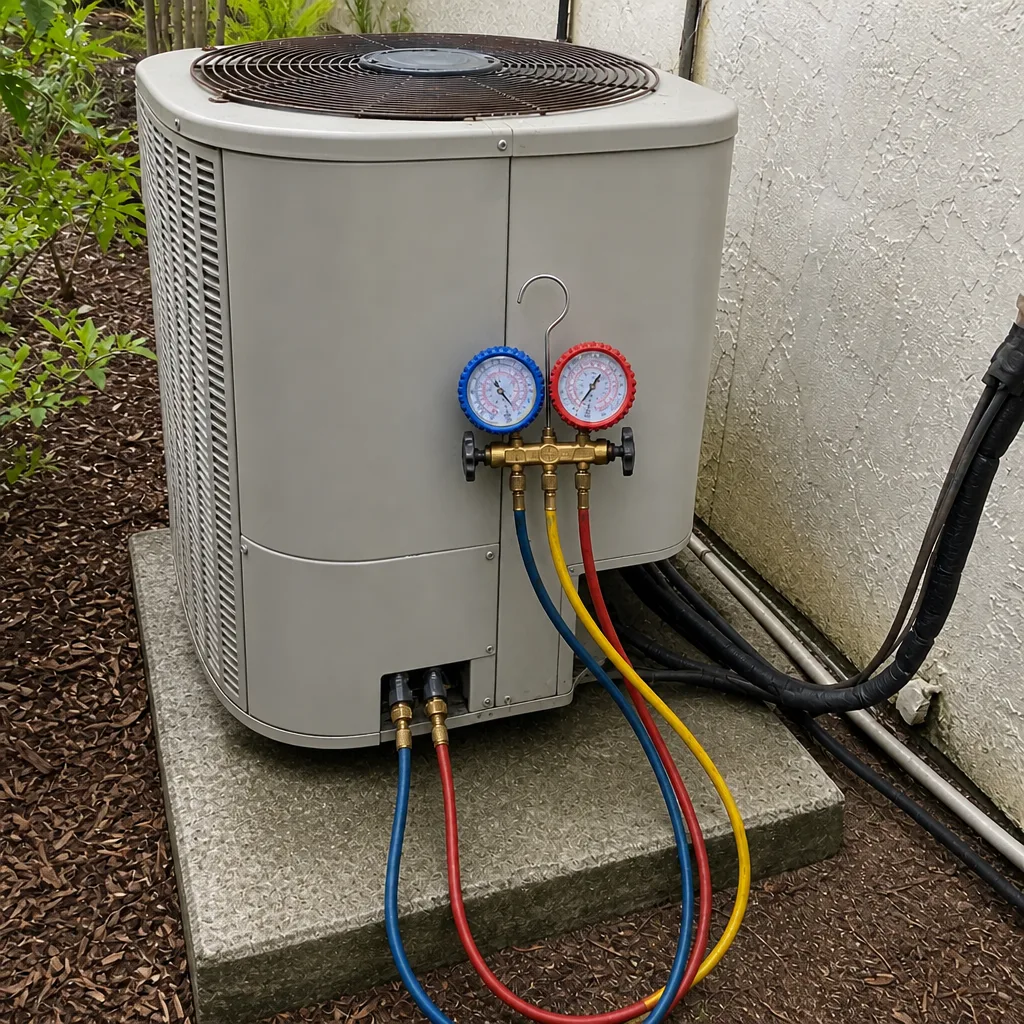 After
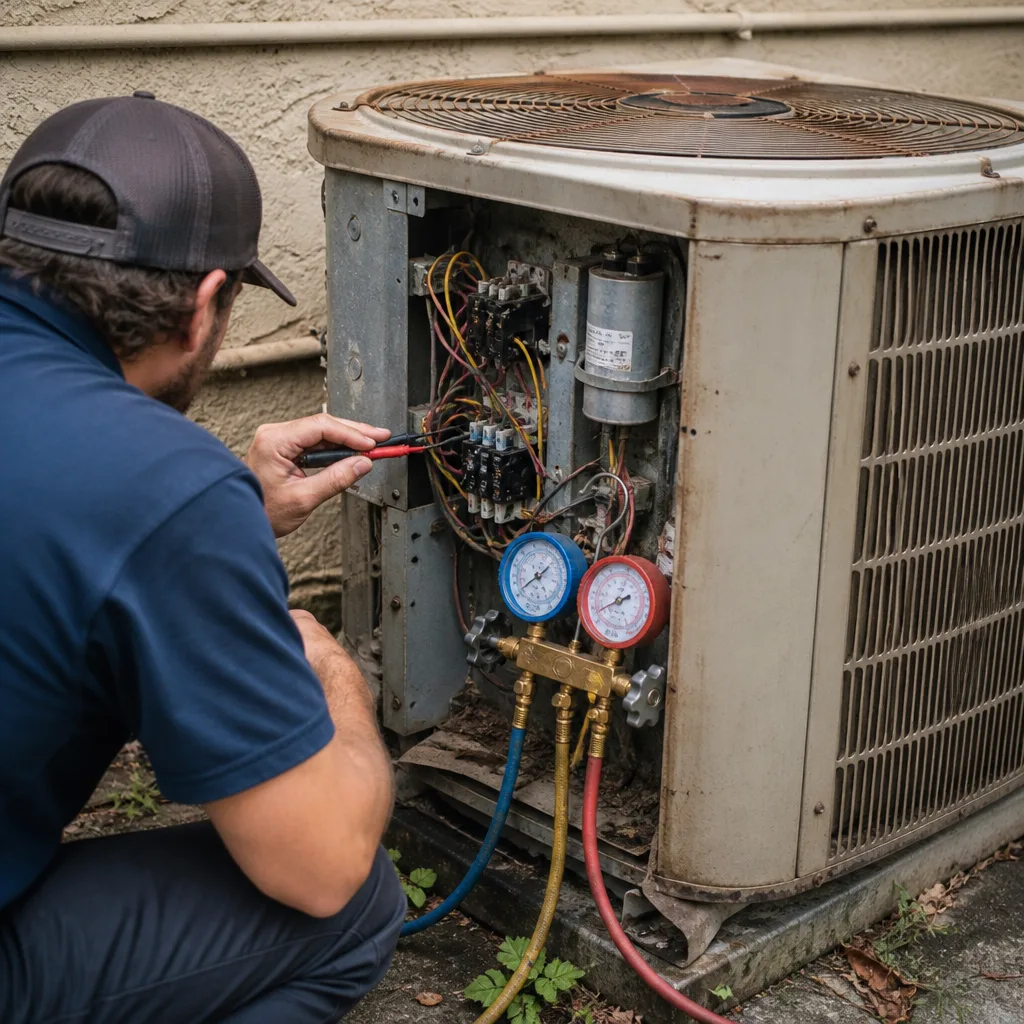 Before
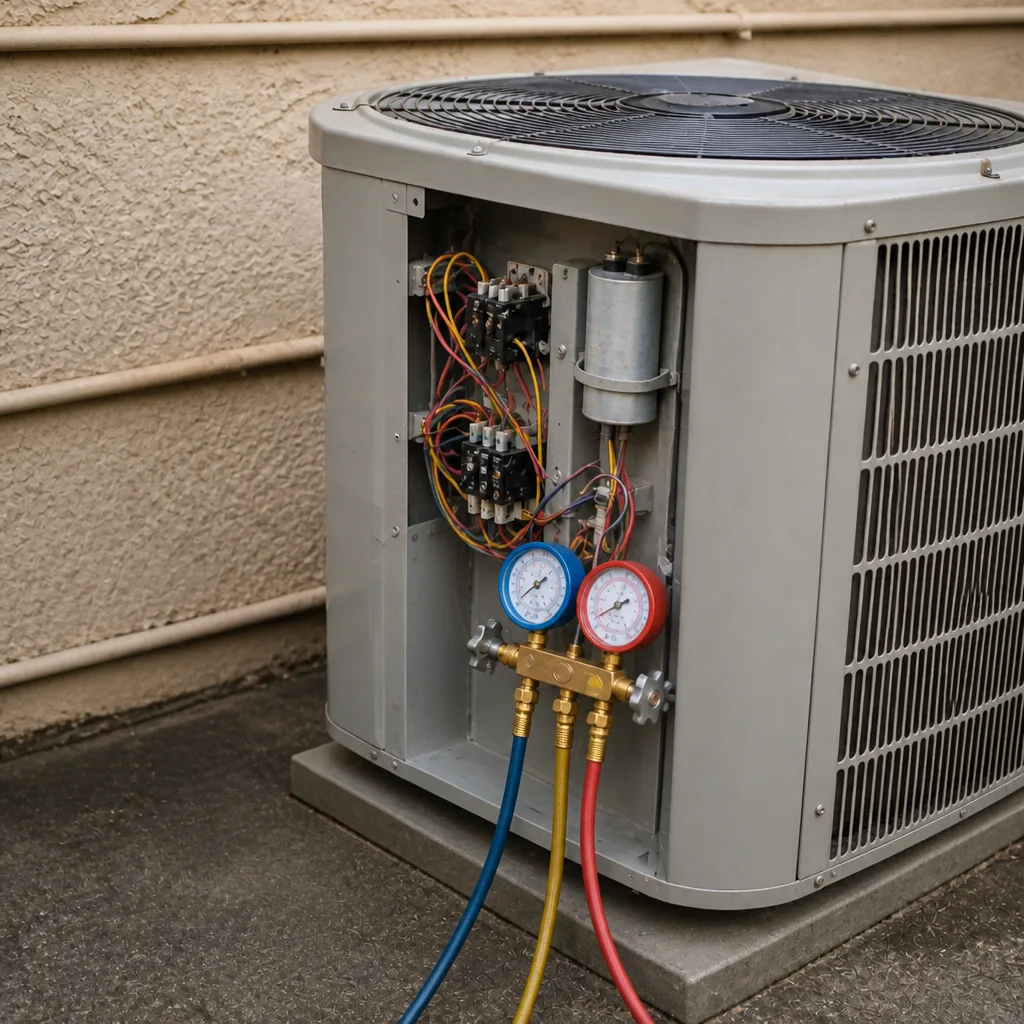 After
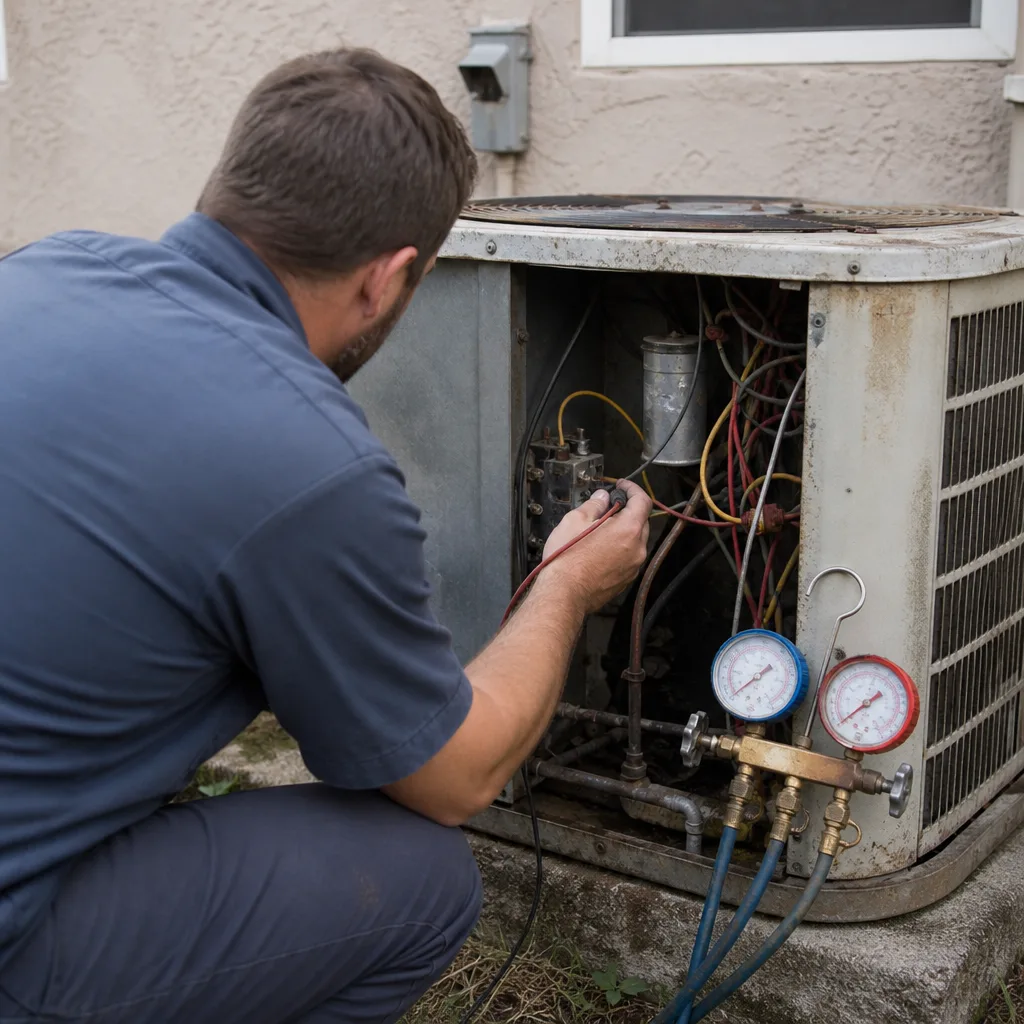 Before
 After
When to Call a Professional
Call a professional when the answer isn’t obvious in advance. A replacement in a home with an unknown install history, a system with an open permit, or a proposed repair that touches refrigerant or the electrical disconnect all call for someone who knows the Florida code side, not just the mechanical side. Ambasssador-level service in that context means we confirm the jurisdiction, the permit scope, and the equipment match before the first piece of equipment comes out. If you just need a filter change or a thermostat swap, that’s not a job for a service call, and we’ll tell you so. Ambassador AC Repair offers free estimates in Lakeland – call (855) 528-6110. We answer 24/7, and fast dispatch runs from 7am to 7pm, Sunday through Friday, with the line closed Saturday.
Frequently Asked Questions
Yes. A full AC replacement in Lakeland requires a permit from the City of Lakeland building division or from Polk County, depending on the property’s address, and it requires a final inspection before the job is complete. The permit records the equipment match and the SEER2 efficiency rating. Call (855) 528-6110 for a free estimate that includes the permit scope.
Routine maintenance, filter changes, and thermostat replacements on existing wiring generally don’t require a permit. Refrigerant work, new duct runs, and any full replacement do. If a job touches the refrigerant circuit or adds a duct run, treat it as permitted work and confirm with the building department for your address. Call (855) 528-6110 if you’re not sure where your job falls – estimates are free.
Check your property tax bill or the Polk County property appraiser’s site; it lists the jurisdiction for your parcel. Addresses inside the City of Lakeland limits go through the city, and addresses in unincorporated Polk County go through the county. If your address is near a boundary area, confirm with the building department before work starts. Call (855) 528-6110 and we’ll help you identify the jurisdiction for your address.
Unpermitted HVAC work typically surfaces during the title search or the buyer’s property records search, and it usually results in a request for a price reduction or a correction before closing. The obligation stays with the property, so the seller bears the cost of bringing the work into compliance. Pull the permit history before your inspection period ends. Call (855) 528-6110 for a free estimate on correcting unpermitted work.
Request the signed final inspection record from your contractor, and look up the permit number on the City of Lakeland or Polk County permit portal to confirm it shows as finaled or closed. Keep the record with your equipment manual and warranty registration. If the permit is still open, resolve it before a sale. Call (855) 528-6110 and we can review the permit status with you – estimates are free.
Unpermitted work doesn’t automatically void a policy, but it can lead an insurer to deny a claim when the loss traces back to uninspected work. Water damage from a bad condensate drain and electrical faults at the disconnect are the two most common examples. Pull the permit record and have the system reviewed before you need a claim. Call (855) 528-6110 for an honest assessment of your system.
The Bottom Line
Permitting an HVAC job in Lakeland isn’t bureaucratic overhead, it’s the record that protects you at resale, at claim time, and at the next inspection. A full replacement, refrigerant work, or new duct runs all require a permit, and your address determines whether the City of Lakeland or Polk County handles it. New equipment has to meet the Florida Energy Code’s SEER2 minimums, and the equipment match matters as much as the equipment itself. Keep the permit number, the signed final inspection, and the equipment documentation together, and ask for them before work begins. The one step most homeowners skip is confirming the permit was closed out, and it’s the step that costs the most when it’s missed. If you’d like to talk through your situation, our team at Ambassador AC Repair handles AC installation and AC repair throughout the area, and we’re glad to help you sort out what’s on record.
Ready to get it done right? Call (855) 528-6110 for a free estimate. We answer 24/7. Fast dispatch from 7am to 7pm, Sunday through Friday, and the line is closed Saturday. Our technicians have up to 9 years of experience working across Carrier, Trane, Lennox, American Standard, Goodman, Rheem, York, Daikin, and Bryant systems, so whether you’re in the city or out in the county, you’re getting an honest read on what your system actually needs.
Written by the team at Ambassador AC Repair.